

Summary Points
- DeepSeek’s V4 model spurs rapid adoption in China’s AI hardware sector.
- Huawei fully integrated V4 with Ascend 950PR, boosting performance and efficiency.
- Major Chinese internet firms ordered hundreds of thousands of Ascend chips.
- Companies rapidly adapt V4 amid rising geopolitical tensions over semiconductors.
China’s Chipmakers Accelerate Adoption of DeepSeek’s V4
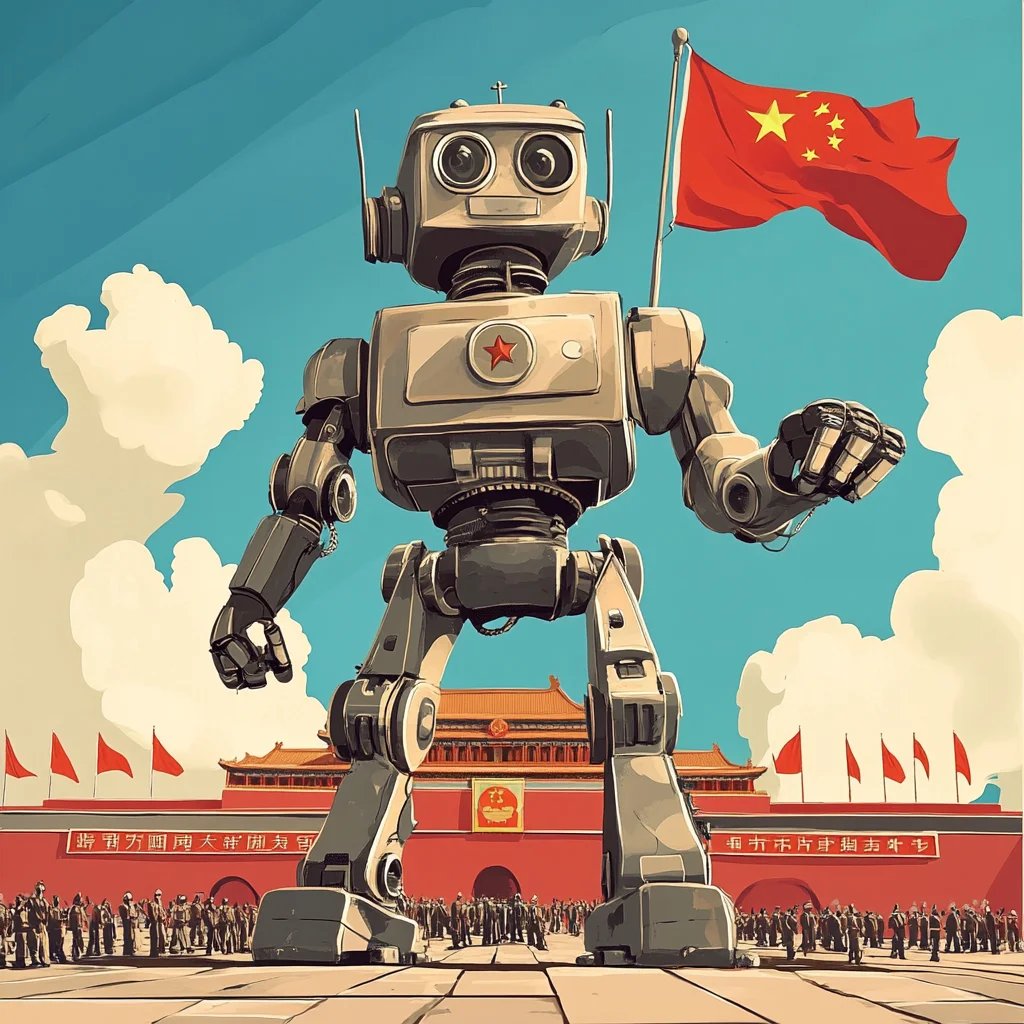
Recently, DeepSeek released its latest large language model, V4. This development has sparked a rapid wave of adoption among China’s leading semiconductor and AI chip companies. These firms are eager to support the new model on their local hardware platforms. The rising geopolitical tensions surrounding advanced semiconductors have motivated this swift shift. Countries aim to reduce dependence on foreign technology and boost their domestic capabilities. As a result, many Chinese chipmakers see supporting V4 as a strategic move. The goal is to ensure faster, more efficient AI deployment that aligns with national interests.
Leading companies like Huawei and Cambricon are at the forefront in this race. Huawei was quick to adapt V4 to its Ascend 950PR chip platform. They declared that their entire AI processor lineup is now compatible with V4. Notably, Huawei’s solution offers better performance than foreign alternatives. The Ascend 950PR can deliver almost three times the inference speed of certain Nvidia chips in China. This improvement enables faster AI computations and reduces deployment costs significantly. Moreover, Huawei plans to produce about 750,000 of these chips in 2026, emphasizing its seriousness in supporting local AI growth.
Other major players are also making notable moves. China’s big internet companies, including Alibaba, ByteDance, and Tencent, have already ordered hundreds of thousands of Ascend 950 processors. Their quick response reflects the importance of V4’s capabilities for their AI services. Additionally, Cambricon Technologies announced it achieved full-stack adaptation of V4 immediately after its release. Interestingly, Cambricon also open-sourced the deployment code, which encourages wider support and innovation across the tech industry. These developments reveal how Chinese chipmakers are turning their focus toward self-reliance, ultimately shaping the future of AI hardware and its broader application in society.
Continue Your Tech Journey
Explore the future of technology with our detailed insights on Artificial Intelligence.
Stay inspired by the vast knowledge available on Wikipedia.
TechV1
