

Quick Takeaways
Certainly! Here are the key points and highlights from the article, summarized in three and four concise, impactful statements respectively:
Key Points (3rd person):
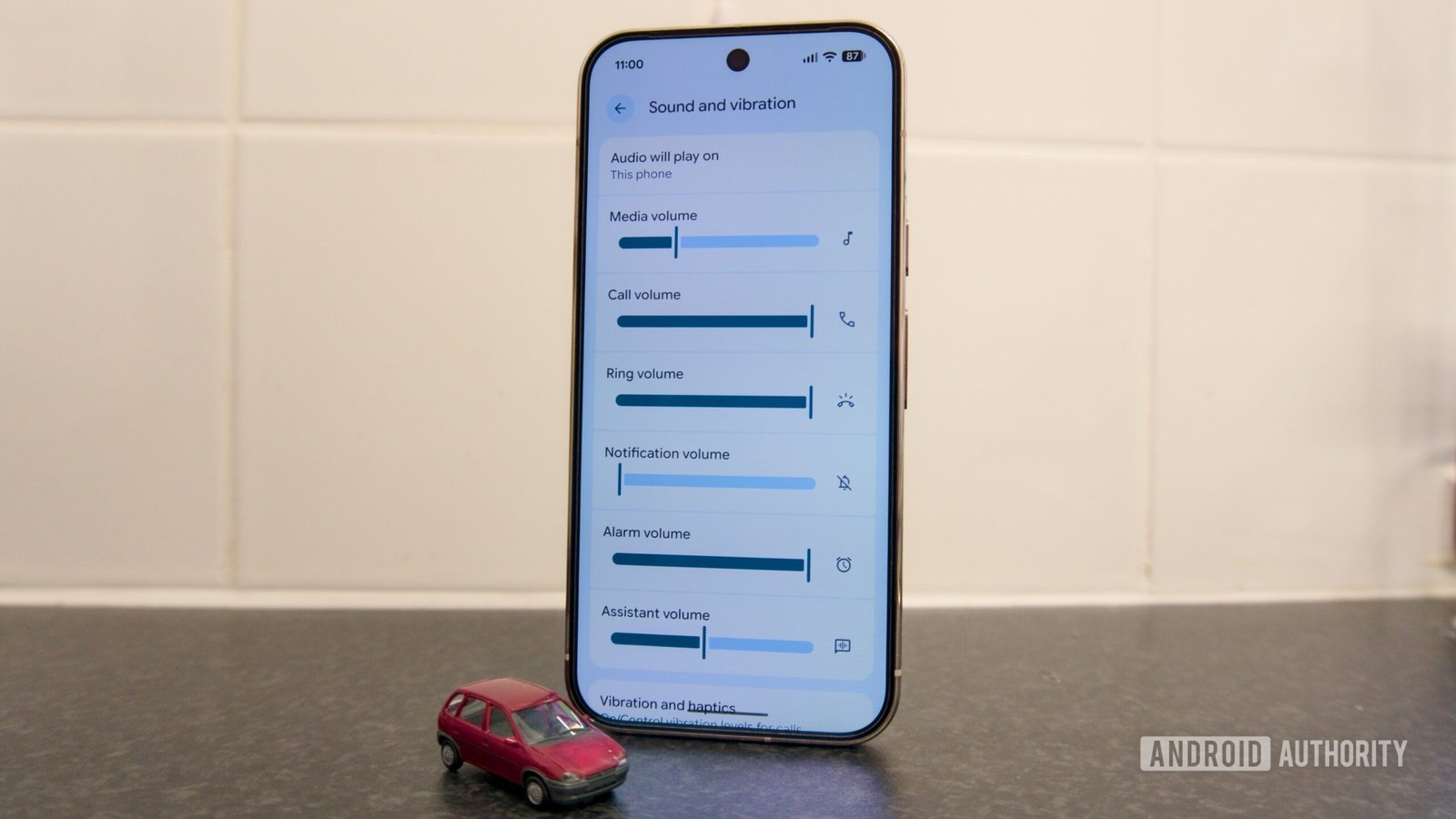
- Google’s Pixel phones feature “Sound Exposure Notifications” that alert users when loud audio levels are detected, aiming to protect hearing.
- These notifications automatically lower volume, which can be problematic, especially during activities like driving, where dismissing alerts is unsafe or illegal.
- The feature lacks customization options, such as turning off notifications in certain situations, and can cause inconvenience by interrupting navigation and media playback.
Highlights (4 statements):
- Sound Exposure Notifications on Pixel phones may compromise user safety by auto-lowering volume during critical activities like driving.
- Users cannot dismiss or adjust alerts easily, leading to interruptions that affect navigation, calls, and media.
- The system doesn’t account for context, such as when connected to Android Auto, making it potentially dangerous and frustrating.
- Despite efforts to introduce a toggle to disable these notifications, Google has yet to provide an effective solution, limiting user control.
When Safety Features Go Too Far
Google’s Pixel phones include a helpful safety feature called “Sound Exposure Notifications.” This tool aims to protect our hearing by monitoring how loud the audio is. When noise levels seem too high, the phone warns us. This is a good idea because loud sounds can harm our ears over time. However, problems happen when this safety feature acts in ways that could make driving less safe. Instead of just warning, the phone automatically lowers the volume. If you are driving, this can be a big problem. It can turn your music or navigation voice down to barely audible. This unintended consequence can distract drivers or make it hard to stay safe on the road.
Transitioning from helpful to problematic, it’s important to understand that notifications sometimes interfere with driving routines. While reducing loud sounds might seem beneficial, automatic volume changes happen without driver input. When a warning appears, it often lowers the audio to a level close to silence. This leaves drivers struggling to hear directions, alerts, or music. Because of this, safety is compromised rather than improved. In some cases, drivers find themselves pulling over just to fix the issue. This shows that technology meant to protect can unintentionally distract and create new hazards.
Limitations in Managing Alerts While Driving
Many users wonder why their phones don’t behave differently during driving. The answer often lies in how the feature is designed. The Pixel’s “Sound Exposure Notifications” don’t recognize when the phone is in a car or connected to Android Auto. Typically, Android Auto helps keep driving safe by making it easier to manage music, maps, and alerts. Unfortunately, Google’s current system ignores these signals. As a result, the phone lowers volume even when drivers need clear audio. This can make voice directions or important notifications impossible to hear. It’s frustrating because many other phones or systems adapt better to driving conditions, providing a more seamless experience.
Moreover, dismissing these alerts becomes a legal concern in some places. For example, in the UK, touching a screen while driving could be illegal. If a driver tries to silence the notification, they risk breaking the law or causing an accident. This situation shows that the feature may not have considered different laws or safety standards across regions. While Google has been working on options to turn off or limit these notifications, no such feature exists yet. Drivers still face the challenge of balancing hearing safety alerts with safe driving practices.
Balancing Safety Innovation and User Control
The goal of enhancements like Sound Exposure Notifications is to protect hearing health. They are valuable in everyday life, especially when listening at high volumes. Yet, in driving situations, these features need better management tools. Some users have found they can work around the problem by using multiple phones or disconnecting entirely, but not everyone has this option. For many, their primary device is essential for navigation and communication. When that device automatically mutes essential audio, it feels like safety is compromised instead of improved.
Fortunately, Google has the ability to fix these issues. Adding a simple toggle to enable or disable the feature while driving could make a big difference. This would give users control based on their needs and local safety laws. Unlike other brands, which are already offering more adaptable safety features, Google still leads with a “one-size-fits-all” approach. This oversight highlights the importance of balancing innovation with user needs. As technology enthusiasts, it’s crucial that these safety measures enhance experience without creating new risks. After all, the best safety features are those that adapt to real-world situations and empower users to make the right choices.
Continue Your Tech Journey
Explore the future of technology with our detailed insights on Artificial Intelligence.
Access comprehensive resources on technology by visiting Wikipedia.
CellphonesV1
