

Summary Points
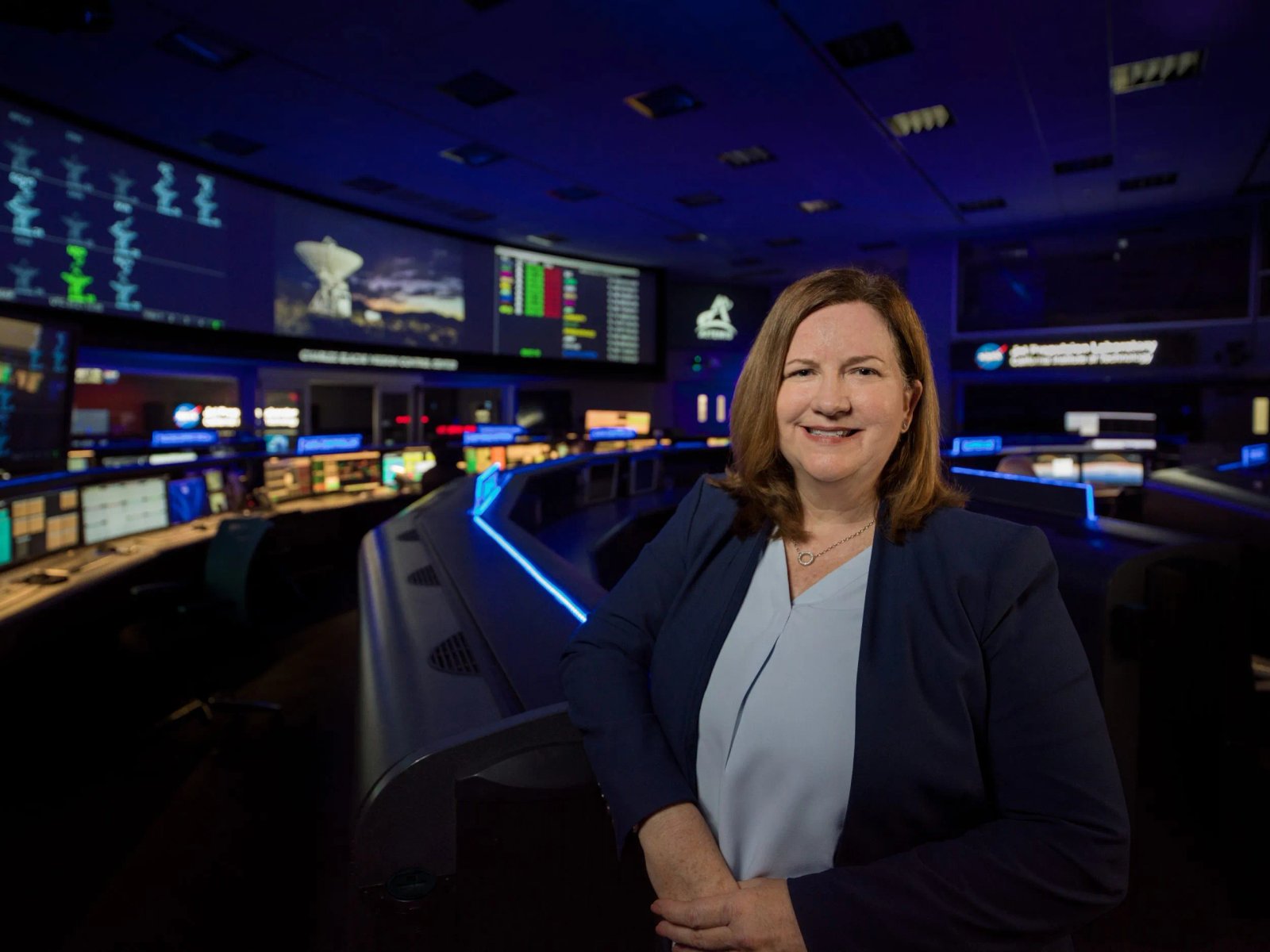
- Kathleen Harmon, inspired by Apollo, now manages Artemis II mission communications.
- NASA’s Deep Space Network facilitates communication with over 40 deep space missions.
- The network operates globally, ensuring constant contact with spacecraft anywhere.
- Harmon’s role includes mission coordination, supporting Artemis II and other spacecraft.
The Journey to the Moon: Kathleen Harmon’s Role in Artemis II
Kathleen Harmon has come a long way since she watched Apollo missions on her childhood television. Now, as the Artemis II Mission Interface Manager for NASA’s Deep Space Network, she plays a critical role in advancing space exploration. The Deep Space Network (DSN) is a global system of radio antennas that facilitates communication with spacecraft. It is the largest scientific telecommunications network in the world, supporting over 40 missions in deep space.
Harmon’s responsibilities include ensuring that the DSN is ready for Artemis II. This mission represents a pivotal step in returning humans to the Moon. Harmon describes the network as a lifeline, crucial for sending data from spacecraft across the solar system. “If you’re in a car and you’re going somewhere and you don’t have GPS or a cellphone, you might get lost, or you might not be able to tell someone that you’re lost,” she explains. The DSN communicates with various spacecraft, collecting and transmitting science data, images, and videos from Mars rovers and orbiters.
Harmon’s experience as a systems engineer brings valuable expertise to her role. Preparing for launch and managing operations requires careful coordination with international partners. The DSN has three complexes located around the world. This positioning ensures that at least one is always in view of the spacecraft, enabling continuous communication. This operational strategy is known as “follow the Sun,” allowing constant connectivity as the Earth rotates.
Keeping Space Exploration Connected
Supporting Artemis II is a round-the-clock job. Harmon states that the network operated 24/7, utilizing both a prime and a backup antenna to maintain robust communication. Even while focusing on Artemis II, the DSN manages communication with other robotic missions in real time. This balance demonstrates the network’s ability to handle multiple missions simultaneously without compromising performance.
Harmon’s journey with NASA has spanned decades, including significant contributions to missions like Juno and Voyager. Yet, her work on Artemis resonates with her childhood memories of the Apollo missions. “Apollo was my earliest memory,” she shares, connecting her past with her present role.
The Deep Space Network is integral to NASA’s ambitions for lunar exploration and beyond. With skilled professionals like Kathleen Harmon at the helm, space exploration continues to bridge the gap between Earth and the cosmos, showcasing the power of technology and collaboration. Each mission not only advances scientific knowledge but also inspires future generations to look toward the stars.
Continue Your Tech Journey
Stay informed on the revolutionary breakthroughs in Quantum Computing research.
Stay inspired by the vast knowledge available on Wikipedia.
Space
