

Summary Points
- A study reveals social and cultural shifts in Central Europe’s Late Bronze Age.
- Researchers used DNA and isotope analysis to learn about ancient lifestyles.
- Isotope data showed most people lived where they were buried, indicating local customs.
- Diets changed with millet adoption, reflecting adaptability without major population shifts.
Unveiling the Past: Bronze Age Life Through Rare Burials
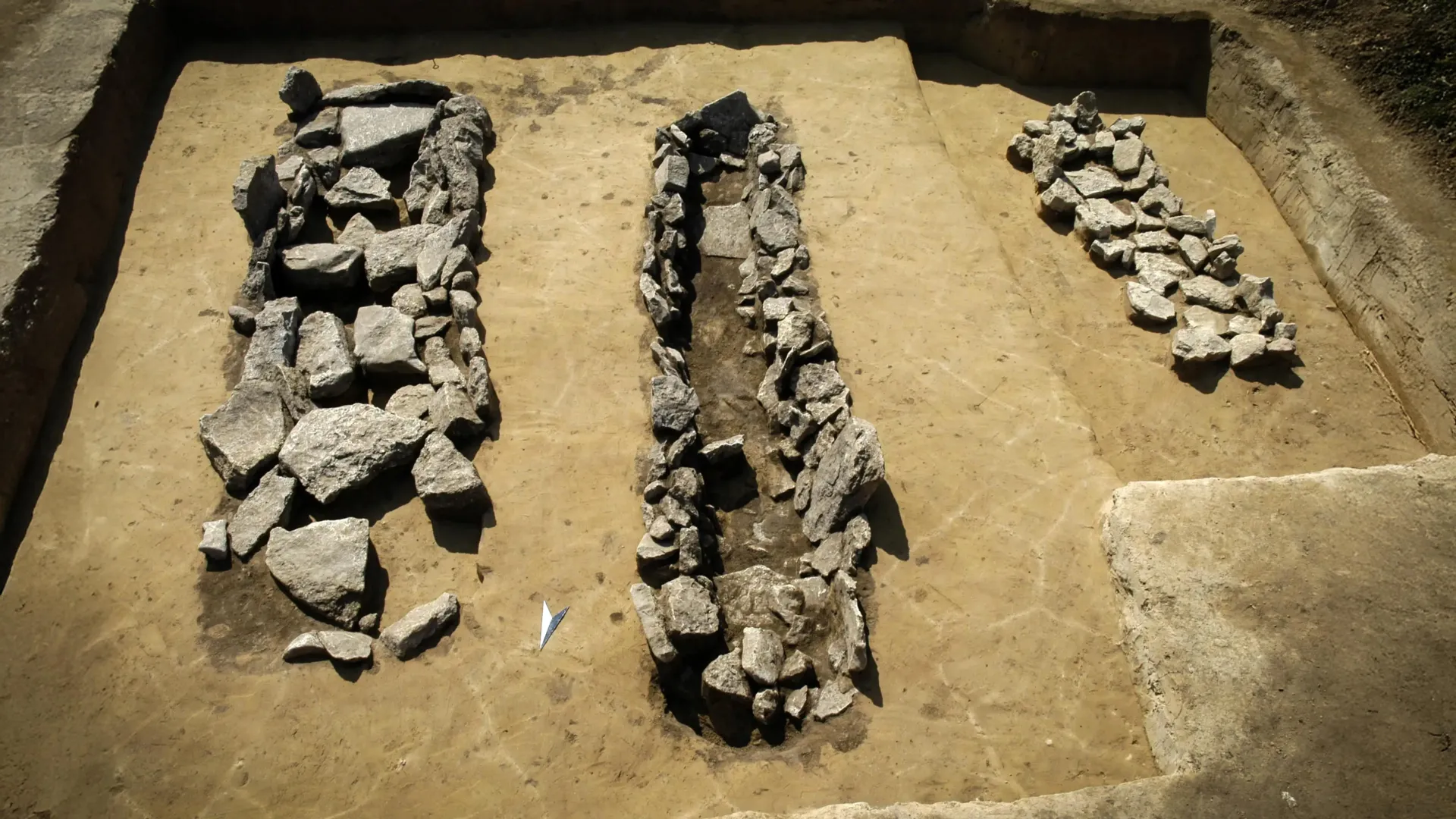
A major new study illuminates the lives of people in Central Europe during the Late Bronze Age. Researchers reveal how the Urnfield culture transformed society through burial practices, food choices, and social dynamics. This era, spanning from around 1300 to 800 BCE, has remained enigmatic. Cremation, while widely practiced, often obliterated the biological material experts rely on for analysis. This study takes a groundbreaking approach by examining rare non-cremated burials found in Germany, Czechia, and Poland. It also analyzes cremated remains from significant archaeological sites like Kuckenburg and Esperstedt.
The research employs ancient DNA, isotope studies, and skeletal evidence to reconstruct daily life. Scientists demonstrate that the Late Bronze Age was not a singular event but rather a series of gradual changes. Communities navigated shifts in food habits and burial customs while remaining connected to their landscapes and neighbors. This detailed analysis suggests that population movements played a less significant role than previously thought; instead, cultural practices spread via trade and interaction.
Food, Health, and Diverse Rituals Reveal Complex Societies
Food habits shifted notably during this period. The introduction of broomcorn millet from northeast China marked a key development. Early adopters likely welcomed the crop for its adaptability to local conditions. However, researchers found that its popularity waned over time, leading communities back to traditional staples like wheat and barley. This cyclical exploration of agricultural practices reflects adaptability rather than wholesale transformation.
In terms of health, researchers identified dental issues linked to oral bacteria but found no signs of widespread epidemics. Skeletal remains indicate physical strain and childhood stress, yet most individuals appeared healthy overall. The study emphasizes a spectrum of funerary practices, ranging from cremation to unique multi-stage rites. These diverse rituals reveal a society rich in identity and memory.
The findings capture a dynamic, interconnected Bronze Age Europe where communities engaged in innovation while honoring longstanding traditions. By combining various scientific disciplines, researchers build a nuanced picture of a civilization that thrived amid change and connection. This study not only enriches our understanding of the past but prompts reflection on how societies evolve through cultural interplay and adaptation.
Discover More Technology Insights
Learn how the Internet of Things (IoT) is transforming everyday life.
Access comprehensive resources on technology by visiting Wikipedia.
TechV1
