

Essential Insights
- Colossal Biosciences is developing artificial eggs to resurrect extinct birds like the dodo.
- The company successfully hatched healthy chicken chicks in their artificial eggs.
- Critics raise ethical concerns about reviving extinct species and potential ecological impacts.
- Colossal defends its work, claiming it can reverse extinction caused by humans.
The Ambitions Behind Artificial Eggs
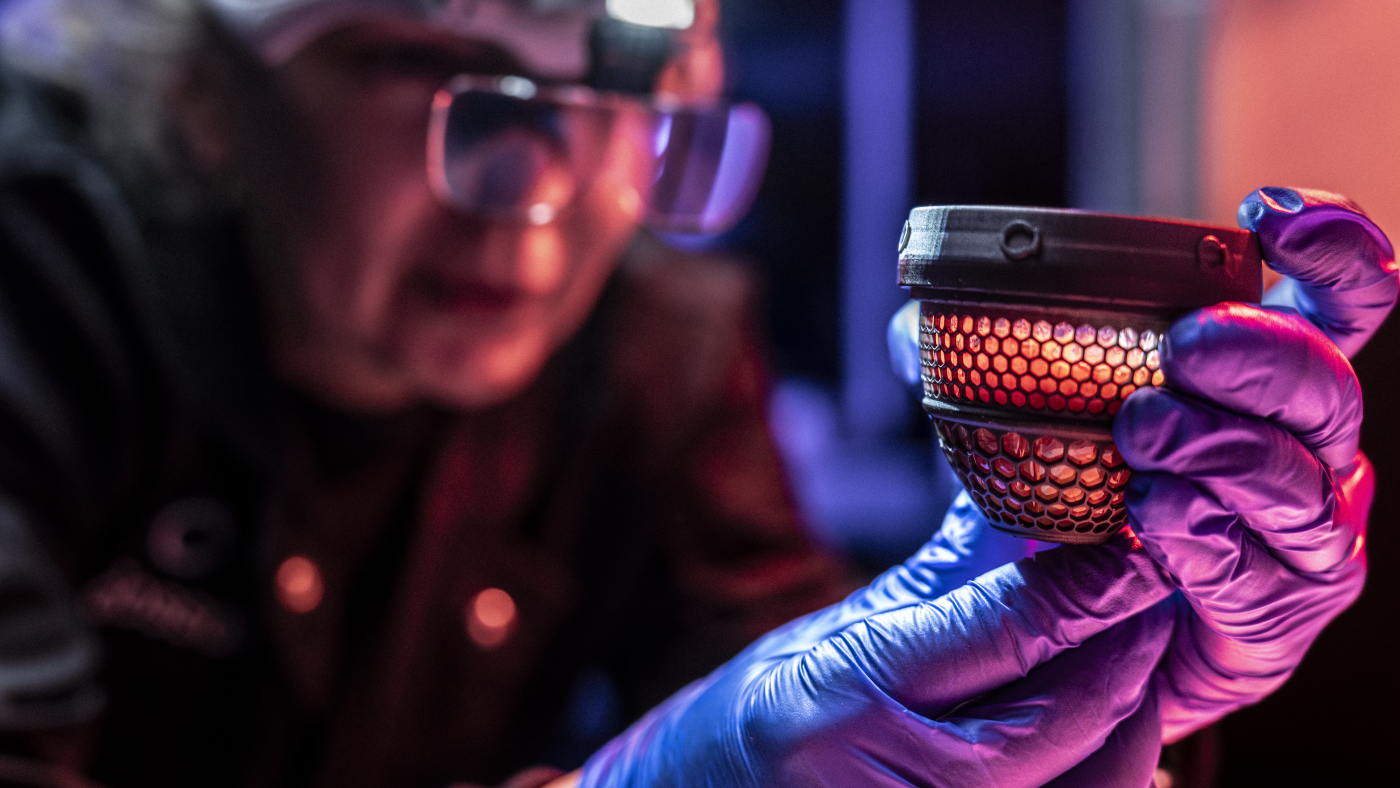
Colossal Biosciences has embarked on a controversial mission: the resurrection of extinct species such as the dodo and the giant moa. This company, based in Dallas, employs advanced bioengineering techniques. Its most novel tool? A 3D-printed artificial egg. This device mimics the functions of natural eggs, crucial for nurturing embryos that cannot find a suitable host in existing bird species.
Trevor Snyder, a bioengineer at Colossal, emphasizes a stunning breakthrough. They successfully hatched healthy chicken chicks from these artificial eggs. This achievement not only validates their technology but also paves the way for future projects involving extinct species. Scientists from various fields, like Neil Gostling, express excitement. They see potential applications in conservation for endangered birds and reptiles. However, excitement coexists with caution. Skeptics question whether it is ethical or even viable to bring back species that vanished due to human actions.
Ethical Implications and Ecological Concerns
Critics raise significant concerns. Reviving extinct species brings up ethical dilemmas and ecological risks. Nic Rawlence, an ancient ecology professor, argues that what Colossal achieves may not be true resurrection. He refers to these created beings as poor imitations rather than genuine restorations. The term “de-extinction” invites scrutiny. Can we genuinely revive what is lost, or merely create new creatures that superficially resemble them?
The risks don’t just stop at ethics. Reintroducing extinct species into modern ecosystems might cause unforeseen consequences. Habitat loss and climate change have fundamentally altered these environments. Critics argue that merely returning a species does not guarantee its survival or ecological balance. If the dodo or moa were to return, they could face extinction once more under drastically changed conditions.
Colossal stands firm in its mission. It sees itself as a pioneer, undoing the mistakes of the past and challenging the permanence of extinction. Their vision extends to creating artificial wombs to bring back other mammals, including the woolly mammoth. However, as technology advances, society must grapple with the moral responsibilities that come with it. Balancing innovation and ethical considerations will define how humanity interacts with the natural world in the future.
Continue Your Tech Journey
Dive deeper into the world of Cryptocurrency and its impact on global finance.
Stay inspired by the vast knowledge available on Wikipedia.
TechV1
