

Summary Points
- Australian director Kip Williams creatively reinterprets Genet’s “The Maids” for modern audiences.
- The production explores themes of identity, power, and societal obsession with image.
- Technology serves as a tool for self-expression and curated personal identity.
- Actors navigate complex roles while integrating phone filming into live performances.
The Intersection of Performance and Reality
Kip Williams’s adaptation of Jean Genet’s “The Maids” provides a striking insight into how technology shapes modern identity. The play centers on two sisters, Claire and Solange, who navigate a complex relationship with their wealthy employer, Madame. This dynamic unfolds in a world filled with social media and curated lives. Williams rewrites Genet’s original narrative, allowing the themes of power and deception to resonate deeply within today’s digital landscape.
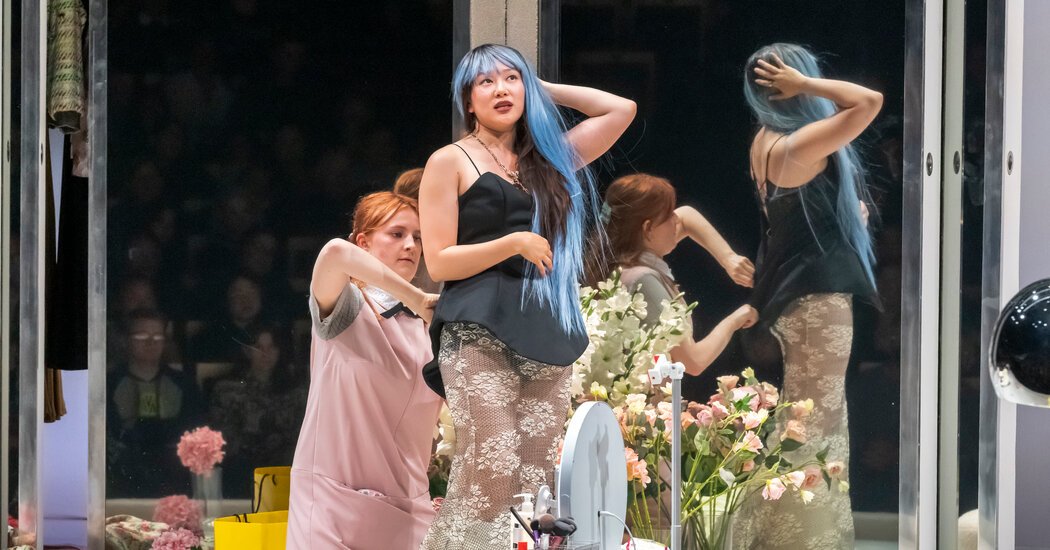
Williams’s direction highlights a crucial tension: the desire for self-expression versus the pressure to perform. As everyone increasingly portrays an idealized version of themselves online, the lines between authenticity and artifice blur. The sisters, obsessed with their phones, manipulate their identities through filters and projections. They want to claim power while grappling with their own envy of Madame, who thrives in a world that celebrates charisma.
The mirrored wardrobe represents this struggle. It becomes a portal where the characters confront their fantasies and fears. The “Narnia reference” speaks to a broader human desire for escape and transformation. Williams emphasizes that current technology transforms personal narratives into curated performances, creating both a connection and a chasm between genuine experience and artificial presentation.
The Role of Technology in Theater and Society
The allure of technology extends beyond spectacle in the theater. It serves as a catalyst for exploring contemporary identity struggles and social dynamics. Williams’s use of live video blurs the distinction between actor and audience, emphasizing active participation in performance. This collaboration between characters and their devices reveals deeper psychological layers.
The actors must master their roles while managing the technology that frames their reality. Lydia Wilson notes the complexity of manipulating a phone while delivering dense lines, blending performance with real-time interaction. This adds a refreshing layer of unpredictability to each show.
Yet, Williams recognizes the broader implications of this technological intertwining. He points to the risks of being consumed by a curated image. The obsession with social media can both illuminate and obscure genuine human connection. The play serves as a mirror, reflecting how society grapples with the seductive nature of performance in our everyday lives.
Williams’s portrayal echoes a contemporary dilemma: the simultaneous desire to destroy and become what one admires. “The Maids” encourages audiences to critically engage with both their own performances and the roles they inhabit online. It provokes thought about the implications of technology on self-identity and relationships in an increasingly digital world.
Discover More Technology Insights
Learn how the Internet of Things (IoT) is transforming everyday life.
Stay inspired by the vast knowledge available on Wikipedia.
TechV1
