

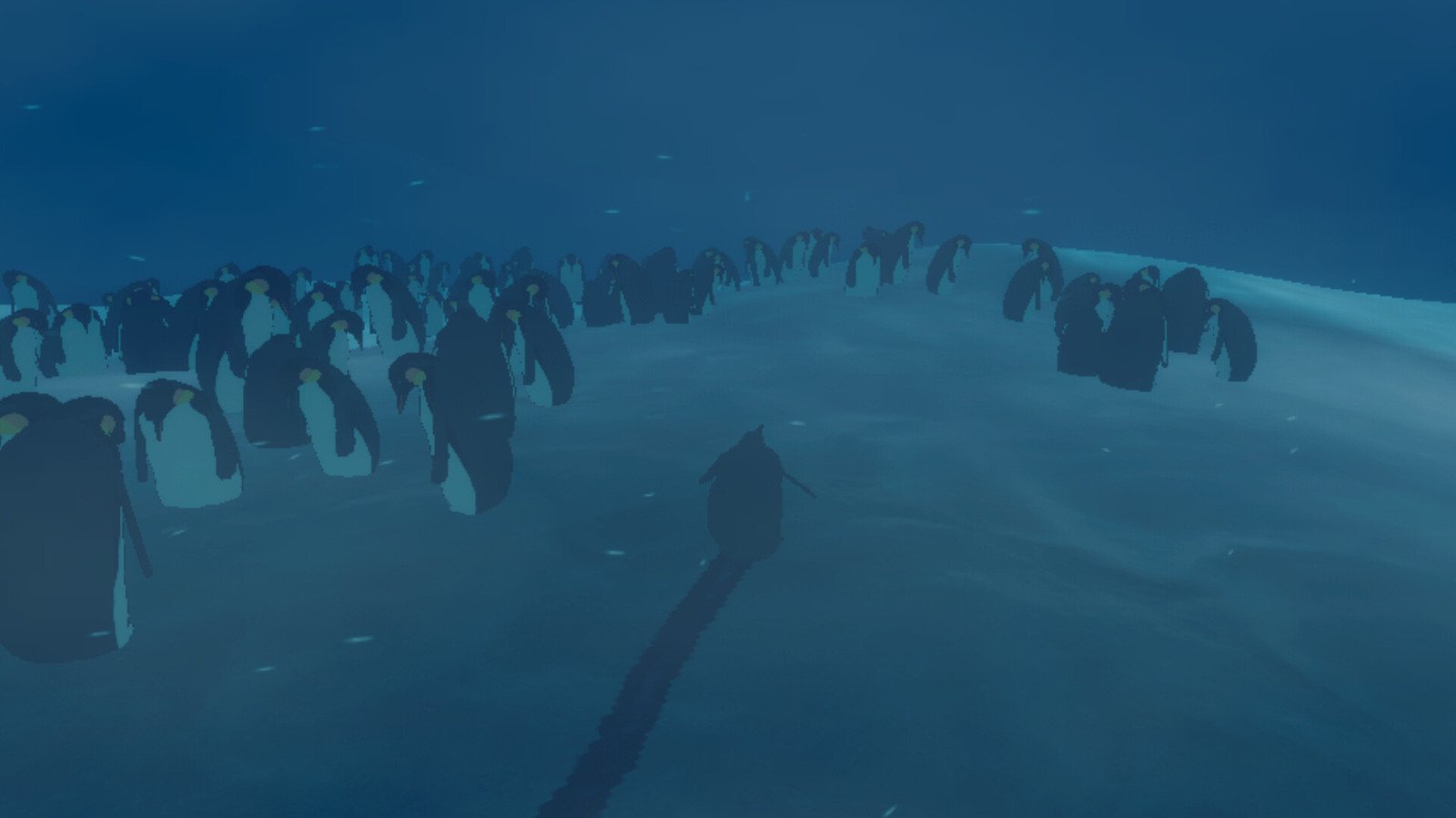
Fast Facts
- Penguin Colony aims to revive Lovecraftian horror with a focus on exploring its colonial and racist themes, seeking a more critical re-evaluation of the genre’s problematic history.
- The game is a solo project with Indigenous collaborators, emphasizing indigenous storytelling and addressing Lovecraft’s influence on popular culture beyond superficial horror.
- The developer highlights the importance of taking creative risks in gaming, advocating for larger studios to support experimental projects like Penguin Colony to foster artistic growth.
- Freedom from conventional expectations, the game introduces a nuanced perspective by positioning the player as a passive observer and considering indigenous insights into Lovecraft’s mythos.
Bringing Lovecraft Into Focus Through Gaming
Penguin Colony offers a fresh take on Lovecraft’s stories by directly engaging with his themes. Unlike many adaptations that shy away from the problematic aspects of his work, this game confronts them head-on. It aims to explore the colonial themes that influenced Lovecraft, such as invasion and indifference. The game also questions the idea of separating art from its creator. The developer wants players to see Lovecraft’s work in its historical context, including his racist views. This approach encourages players to think critically about how horror stories can reflect real-world issues. It’s a daring move that adds depth and meaning to the game. Moreover, the game’s focus on Indigenous storytelling offers a new perspective on this genre. By doing so, Penguin Colony not only entertains but also prompts important conversations about history and representation.
Unique Development and Thoughtful Design
Despite being a mostly solo project, Penguin Colony boasts a dedicated team that includes Indigenous artists and contractors. The developer has spent two years working full-time on this game, drawing inspiration from personal memories of childhood. The initial idea came from watching “Happy Feet” with a daughter, sparking the idea of sliding on ice. This charming origin contrasts with the game’s heavy themes, creating a balance between playfulness and seriousness. The developer emphasizes learning from past projects, such as “Umurangi Generation,” by planning ahead and moving quickly. The game’s trilogy aims to explore different aspects of Lovecraft’s mythos without relying on the cliché Big Names, like Cthulhu or Dagon. This slow, deliberate approach promises a fresh, more nuanced experience that challenges players to think differently about the familiar horror genre.
Challenges and the Future of Indie Development
Creating Penguin Colony as an Indigenous studio comes with unique hurdles. The developer faces skepticism from larger companies and publishers, who see risk in supporting a project that tackles contemporary political issues. This makes it crucial to seize opportunities quickly and aim for sustainable independence. The developer suggests that bigger studios should take more risks by fostering small, experimental teams. This could include providing resources and distribution channels to emerging creators. Unfortunately, such bold moves remain rare in the current industry landscape, especially within the American AAA market. For small studios, the key lies in balancing artistic vision with smart distribution. As for Penguin Colony, it will arrive on PC and Switch 2 in 2026, with an invite to wishlist on Steam. Ultimately, the developer believes the real question is whether to take the leap—because waiting too long might mean missing the chance entirely.
Stay Ahead with the Latest Tech Trends
Dive deeper into the world of Cryptocurrency and its impact on global finance.
Discover archived knowledge and digital history on the Internet Archive.
CellphonesV1
