

Fast Facts
- Waymo launches all-electric Ojai robotaxi in select cities for rider feedback.
- The Ojai vehicle aims to be accessible, cost-effective, and comfortable.
- Waymo faces challenges, suspending services in multiple cities for improvements.
- Ojai features advanced technology and enhanced design for better rider experience.
Waymo’s Bold Step Forward: The Ojai Robotaxi
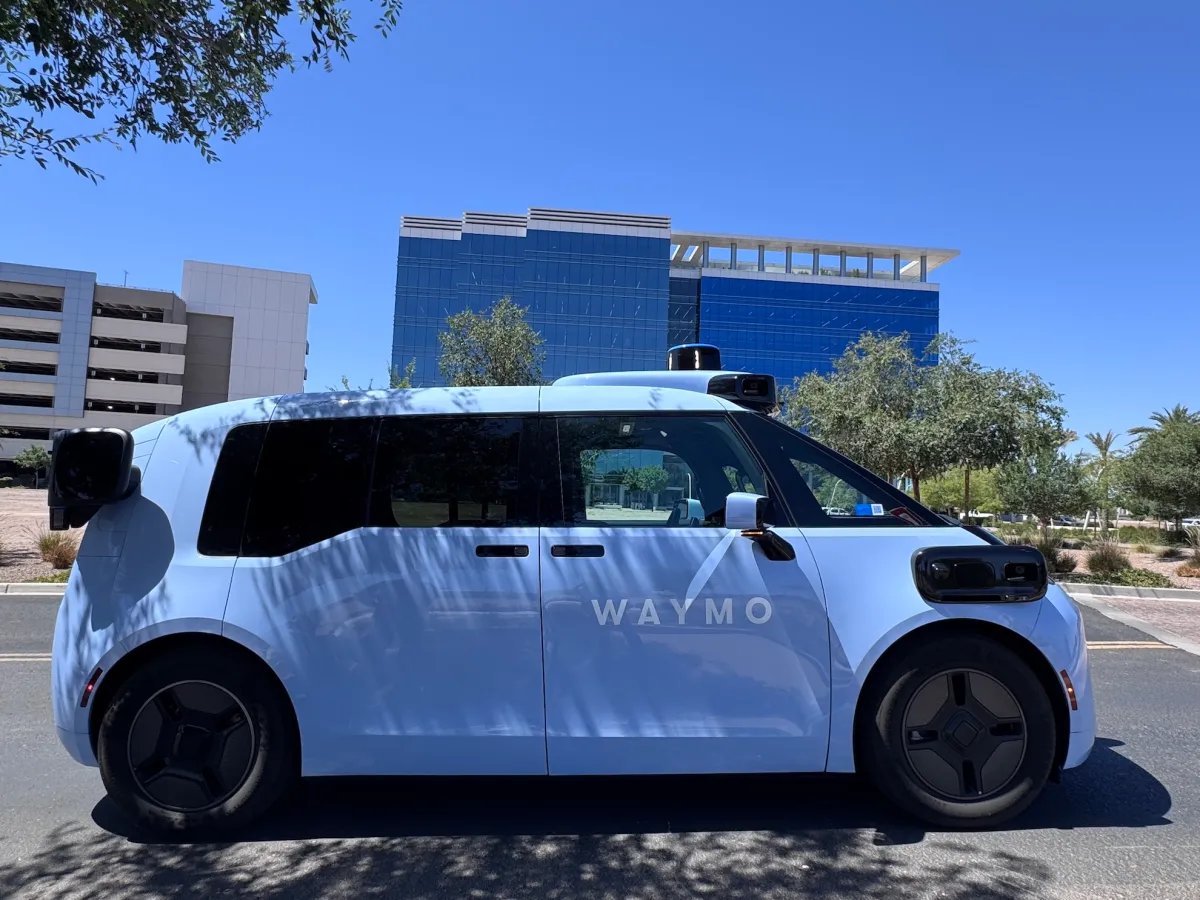
Waymo has begun offering limited rides in its newest robotaxi, the Ojai, in cities like Los Angeles, Phoenix, and San Francisco. This all-electric, minivan-like vehicle is a significant addition to Waymo’s fleet. The Ojai is built in partnership with Zeekr, a subsidiary of China’s Geely Holdings. This collaboration highlights a new chapter not just for Waymo but also for the global robotaxi market.
Waymo designed the Ojai to be accessible and comfortable. It features a low step-in height and gondola-like doors for easy entry and exit. Its interior offers charging ports, ample leg and headroom, and a user-friendly interface displayed on large adaptive screens. The focus on comfort and utility reflects the lessons learned from over 500,000 paid rides each week. This approach should help Waymo innovate while reaching a wider audience.
Operational efficiency bolsters Waymo’s strategy. The Ojai is part of a broader vision to create a scalable and cost-effective solution for urban mobility. With a modular design and enhanced battery capacity, Waymo seeks to reduce costs and improve maintenance. The sixth-generation system, equipped with advanced cameras, lidar sensors, and radar units, underpins the company’s commercial strategy. Companies use such systems to handle a range of vehicles, helping them adapt to market needs.
Challenges Ahead: Navigating the Road to Success
Despite these advancements, challenges remain. Recently, Waymo suspended some services in major cities like Los Angeles and Miami to refine its vehicles’ performance, particularly in construction zones. The company now faces the dual task of improving autonomous technology while scaling operations. This paradox underlines the complexities involved in deploying such cutting-edge systems.
The partnership with Zeekr raises questions about dependency on foreign manufacturing. While the Ojai shows promise in terms of design and function, concerns linger regarding the implications of relying heavily on international supply chains. As the landscape of mobility changes, understanding these nuances becomes vital.
The Ojai’s launch represents a pivotal moment for Waymo. It signifies the company’s ambition to not only innovate but also to generate revenue in a highly competitive industry. As Waymo refines its offerings and expands access, it will need to balance practicality with technological advancement. Achieving this equilibrium may determine the future of robotaxis in urban environments.
Discover More Technology Insights
Dive deeper into the world of Cryptocurrency and its impact on global finance.
Access comprehensive resources on technology by visiting Wikipedia.
TechV1
