

Fast Facts
- Ultrahuman experienced a data breach after hackers stole employee credentials via malware.
- About 0.1% of users, roughly 700, potentially had their health data accessed.
- No passwords, payment info, or device data were compromised in the breach.
- Ultrahuman’s security systems detected the incident quickly and responded effectively.
Understanding the Breach
Ultrahuman, a rising star in wearable health technology, recently faced a significant security breach. Hackers accessed customers’ wellness data by stealing an employee’s credentials through malware. This incident raises critical questions about data security in the health-tech sector.
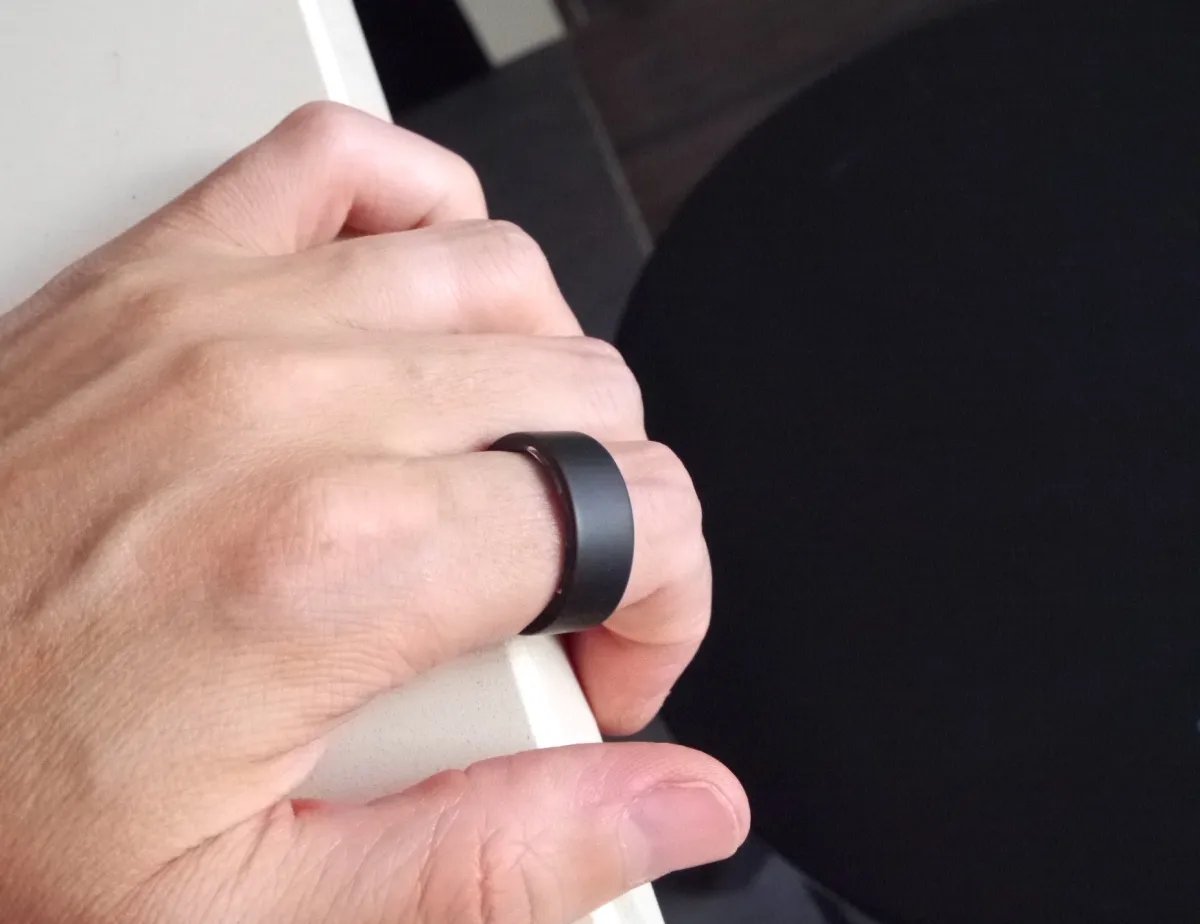
Founded in 2019, Ultrahuman offers innovative devices like the Ring Air and the newly launched Ring Pro, both designed to track health metrics such as sleep, activity, and recovery. The company claims to have approximately 700,000 active users, making the breach of data belonging to 0.1% of users—around 700 customers—concerning.
Ultrahuman detected the breach quickly, taking immediate action to secure its systems. However, the nature of the data exposed remains unclear. The term “wellness data” is vague and includes metrics such as heart rate, sleep patterns, and activity levels. Such data can be sensitive, leading to potential misuse if it falls into the wrong hands.
The Broader Implications
This incident shines a light on the vulnerabilities present in the wearable tech industry. Startups like Ultrahuman and competitors such as Oura store vast amounts of personal health data. While these devices provide users with valuable insights, they also present risks. Internal access to customer data raises the stakes when employees or systems face compromises.
Regulatory scrutiny is likely to increase as customers demand accountability. Ultrahuman’s response was to notify regulators and users, but the gap between threat detection and transparent communication can erode consumer trust. Customers expect reassurance that their data is safe, especially when it relates to personal health.
As the health-tech sector evolves, companies must prioritize robust security measures. Investing in employee training on security protocols and regular system audits can mitigate risks. The balance between convenience and data privacy will shape the future of wellness technology. Ultrahuman’s incident serves as a cautionary tale, urging both startups and established players to tighten their security practices.
Continue Your Tech Journey
Explore the future of technology with our detailed insights on Artificial Intelligence.
Stay inspired by the vast knowledge available on Wikipedia.
TechV1
