
Close Menu
    Facebook X (Twitter) Instagram
    Tuesday, July 21
    Top Stories:
    • When Meta’s A.I. Draws the Line: The Account Ban Revolution
    • Unlocking the Flu: A New Molecular Map of Viral Hijacking
    • Rising Demand: College Men Embrace Nursing Careers
    Facebook X (Twitter) Instagram Pinterest Vimeo
    IO Tribune
    • Home
    • AI
    • Tech
      • Gadgets
      • Fashion Tech
    • Crypto
    • Smart Cities
      • IOT
    • Science
      • Space
      • Quantum
    • OPED
    IO Tribune
    Home » Unveiling the Secrets: Goethe’s 40-Million-Year-Old Ant Revelation
    Tech

    Unveiling the Secrets: Goethe’s 40-Million-Year-Old Ant Revelation

    Lina Johnson MercilliBy Lina Johnson MercilliJune 5, 2026No Comments2 Mins Read
    Share Facebook Twitter Pinterest LinkedIn Tumblr Reddit Telegram Email
    Share
    Facebook Twitter LinkedIn Pinterest Email

    Top Highlights

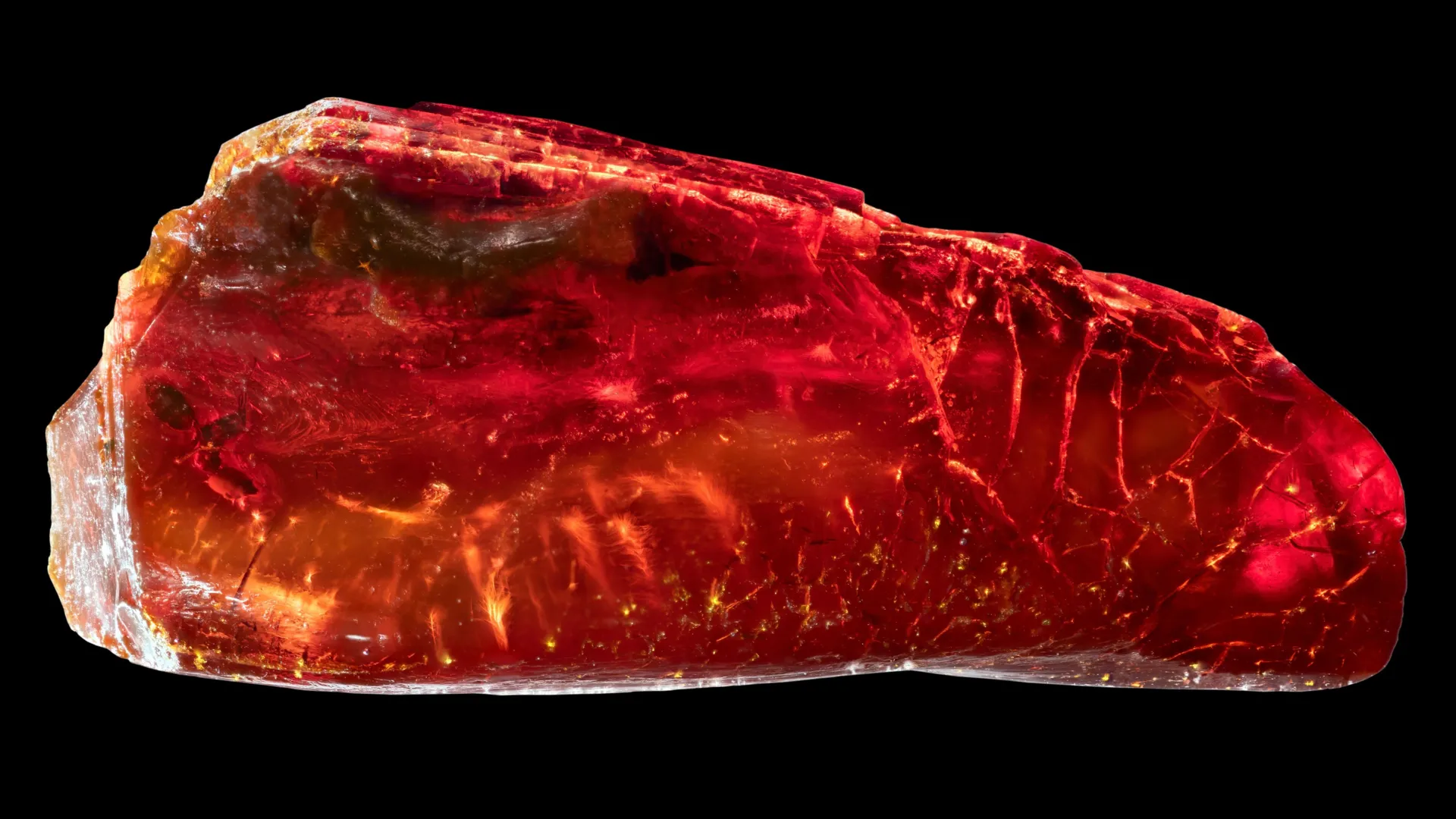
    1. Scientists found hidden fossil insects in amber from writer Goethe’s collection.
    2. Advanced imaging revealed a fungus gnat, black fly, and ancient ant.
    3. The ant, †Ctenobethylus goepperti, offered new insights into its anatomy.
    4. Goethe’s amber shows the enduring value of historical collections for science.

    A Window to the Past: Goethe’s Amber Collection

    Scientists recently unlocked a hidden chapter of natural history within the amber collection of Johann Wolfgang von Goethe. His interest in amber focused mainly on its optical properties, yet his specimens now reveal ancient secrets. Researchers at the University of Jena, using modern imaging technology, discovered fossilized insects trapped in pieces of amber that Goethe owned. The discovery includes a 40-million-year-old ant of the species †Ctenobethylus goepperti.

    These findings showcase the remarkable intersection of history, art, and science. The research team employed synchrotron micro computed tomography at the German Electron Synchrotron, revealing intricate details of the fossils. They found features such as fine body hairs on the ant and even visualized internal structures—something unprecedented. These insights deepen our understanding of ant evolution and behavior, suggesting that ancient ants built large nests in trees, which increases their chances of fossilization.

    Modern Technology Breaths New Life into Historic Specimens

    The utilization of advanced imaging techniques opens new doors for research. These tools allow scientists to analyze historical collections without altering them physically. They unearth details that previous generations couldn’t access. Researchers created a complete 3D reconstruction model accessible online, enabling global collaboration. This accomplishment demonstrates how past collections can yield fresh knowledge, enhancing our understanding of biodiversity and evolution.

    As scientists celebrate these findings, they highlight Goethe’s legacy. He is hailed as a pioneer of morphology and would likely marvel at the discoveries made possible through new methods. This case underscores the value and relevance of historical collections in contemporary science. The past continues to shape our understanding of the natural world, revealing that what once seemed ordinary could be extraordinary. Technological advancements renew our perspective on history and its role in today’s scientific landscape.

    Discover More Technology Insights

    Stay informed on the revolutionary breakthroughs in Quantum Computing research.

    Discover archived knowledge and digital history on the Internet Archive.

    TechV1

    Innovation Management Tech technology VT1
    Share. Facebook Twitter Pinterest LinkedIn Tumblr Email
    Previous ArticleStylist’s Secrets: Effortless Stain Removal for Whites
    Next Article 6 Key Ways to Optimize Chronos-2
    Avatar photo
    Lina Johnson Mercilli
    • Website

    Lina Johnson Marcelli is the editor for IO Tribune, bringing over two decades of experience in journalism to her role. With a BA in Journalism, she is passionate about delivering impactful stories that resonate with readers. Known for her keen editorial vision and leadership, Lina is dedicated to fostering innovative storytelling across the publication. Outside of work, she enjoys exploring new media trends and mentoring aspiring journalists.

    Related Posts

    Tech

    When Meta’s A.I. Draws the Line: The Account Ban Revolution

    July 21, 2026
    AI

    Halliday’s Smart Glasses: Camera-Free Innovation

    July 21, 2026
    Tech

    Unlocking the Flu: A New Molecular Map of Viral Hijacking

    July 21, 2026
    Add A Comment

    Comments are closed.

    Must Read

    When Meta’s A.I. Draws the Line: The Account Ban Revolution

    July 21, 2026

    Halliday’s Smart Glasses: Camera-Free Innovation

    July 21, 2026

    Unlocking the Flu: A New Molecular Map of Viral Hijacking

    July 21, 2026

    America’s Breastfeeding Rates: Surprising Regional Disparities

    July 21, 2026

    Rising Demand: College Men Embrace Nursing Careers

    July 21, 2026
    Categories
    • AI
    • Crypto
    • Fashion Tech
    • Gadgets
    • IOT
    • OPED
    • Quantum
    • Science
    • Smart Cities
    • Space
    • Tech
    Most Popular

    250-Million-Year-Old Fossil Confirms Mammals’ Egg-Laying Ancestors

    April 18, 2026

    Silent Threat: Ultra-Processed Foods and Rising Prediabetes in Young Adults

    November 22, 2025

    Indian States Consider Australia-Style Social Media Ban for Kids

    January 28, 2026
    Our Picks

    Boost Your Focus with This Hybrid Reading Tool!

    February 19, 2026

    Is Manufacturing Prepared for IIoT’s Next Phase?

    July 3, 2026

    Play Store Launches Digital Gift Cards!

    October 5, 2025
    Categories
    • AI
    • Crypto
    • Fashion Tech
    • Gadgets
    • IOT
    • OPED
    • Quantum
    • Science
    • Smart Cities
    • Space
    • Tech
    • Privacy Policy
    • Disclaimer
    • Terms and Conditions
    • About Us
    • Contact us
    Copyright © 2025 Iotribune.comAll Rights Reserved.

    Type above and press Enter to search. Press Esc to cancel.