

Summary Points
- Penn State researchers created a light-adaptive sensor for autonomous vehicles.
- The design mimics human eye sensitivity to varying light conditions.
- Test results showed over 95% accuracy in fluctuating brightness situations.
- Future applications may include robotics and assistive technology for the visually impaired.
Biology Inspires Innovation
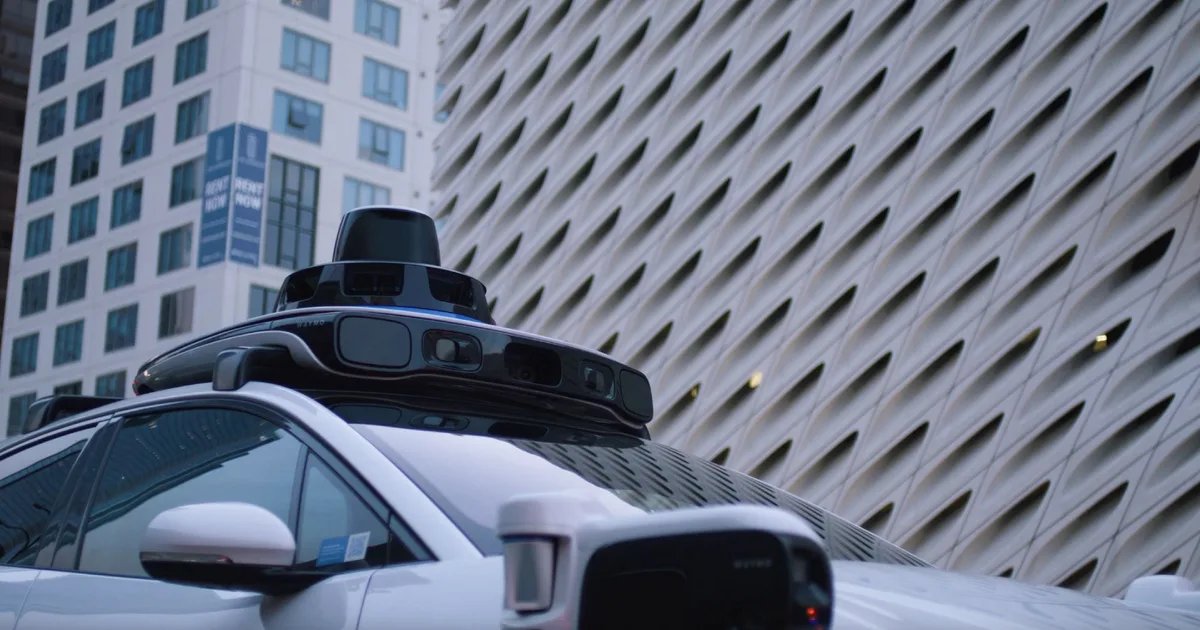
Penn State researchers have developed a groundbreaking light-adaptive sensor that enhances the capabilities of self-driving cars and robots. This innovation addresses a critical issue: camera systems currently struggle in inconsistent lighting. When autonomous vehicles transition from dark roads to blinding headlights, their accuracy diminishes. By taking cues from the human eye, the Penn State team provides a more reliable solution.
The human eye adjusts seamlessly between bright and dark environments. This natural ability stems from the way rod and cone cells respond to light. Rod cells, in particular, bleach under bright conditions and gradually regain sensitivity in darkness. The team replicated this function with a new type of sensor called a photomemristor. This tiny device combines a gel-like polymer with titanium oxide. When exposed to light, the titanium oxide generates a current that helps the polymer self-adjust its sensitivity in real time.
Real-World Applications and Limitations
Testing yielded impressive results. A 4×4 array of the sensors, paired with a neural network, achieved over 95% accuracy under mixed lighting conditions. Each sensor measures just half a millimeter. This small size means manufacturers can connect them in larger arrays, enhancing the system’s ability to detect detailed visual patterns.
Beyond self-driving cars, these sensors hold promise for factory robotics and assistive technologies for visually impaired individuals. However, widespread adoption faces challenges. Manufacturers must consider integration costs and the complexity of transitioning from current technology. While the potential is vast, ensuring reliability and functionality in real-world scenarios remains essential.
The photomemristor adds to an evolving list of sensor innovations, including advanced radar units and LiDAR systems. Each advancement builds on previous technologies, pushing the boundaries of what autonomous systems can achieve. As the field evolves, blending biology with cutting-edge technology could elevate the safety and efficiency of transportation and robotics.
Expand Your Tech Knowledge
Explore the future of technology with our detailed insights on Artificial Intelligence.
Explore past and present digital transformations on the Internet Archive.
TechV1
