

Essential Insights
- Fitness trackers and apps increase activity levels in cardiovascular disease patients.
- Participants using these tools walked 1,100 more steps daily on average.
- Wearables provide accessible support without rehab barriers like cost and distance.
- They’re helpful but not substitutes for medical care or professional guidance.
### Enhancing Activity Levels for Heart Disease Patients
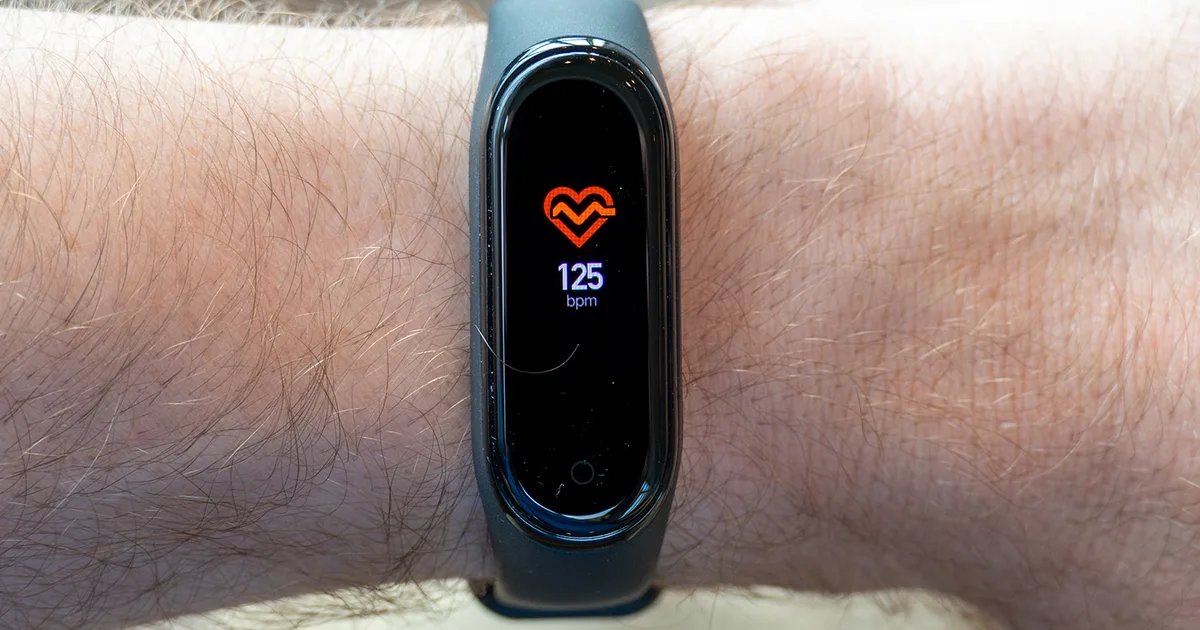
Fitness trackers and smartphone apps are more than just trendy gadgets. They hold promise for individuals managing heart disease. A recent review published in the Journal of the American Heart Association reveals that patients using these digital tools exhibit higher activity levels than those who do not. The study analyzed 14 clinical trials with over 1,000 participants diagnosed with various forms of cardiovascular disease. Remarkably, users of fitness trackers and apps walked nearly 1,100 additional steps each day and engaged in roughly four extra minutes of moderate-to-vigorous physical activity.
For many heart disease patients, these small increments can make a significant difference. Traditional cardiac rehabilitation programs often pose challenges such as distance, time constraints, and financial costs. Wearable devices and smartphone applications circumvent many of these barriers. Their accessibility allows patients to receive reminders, motivational messages, and progress tracking directly to their wrists or smartphones. Some programs incorporated gamification elements, quizzes, and rewards to keep users engaged, demonstrating that technology can effectively encourage physical activity.
### Limitations and Future Considerations
The findings of this review offer a glimpse into the potential benefits of technology in health management. However, users should maintain realistic expectations. The study observed improvements in daily steps and exercise duration, but it did not find notable enhancements in peak oxygen consumption or walking distance. Researchers caution that longer studies are necessary to determine if these activity levels persist and whether they will result in better long-term health outcomes.
While fitness trackers and apps serve as valuable support tools, they cannot replace comprehensive medical care. Heart disease management requires professional guidance, medication, and potentially cardiac rehabilitation. Nonetheless, these digital tools provide an avenue for patients to take charge of their activity levels, offering a path towards a more proactive approach to health. As technology and health intersect, these findings support a growing case for integrating wearables into everyday care plans for those battling heart disease.
Continue Your Tech Journey
Stay informed on the revolutionary breakthroughs in Quantum Computing research.
Access comprehensive resources on technology by visiting Wikipedia.
TechV1
