

Fast Facts
- NASA’s DAPHNE mission will study the impact of space weather on technology.
- It will use twin satellites to observe atmospheric changes affecting the ionosphere.
- The mission aims to enhance predictive capabilities for space weather events.
- Total costs are capped at $250 million, with launch planned after 2029.
Understanding the DAPHNE Mission
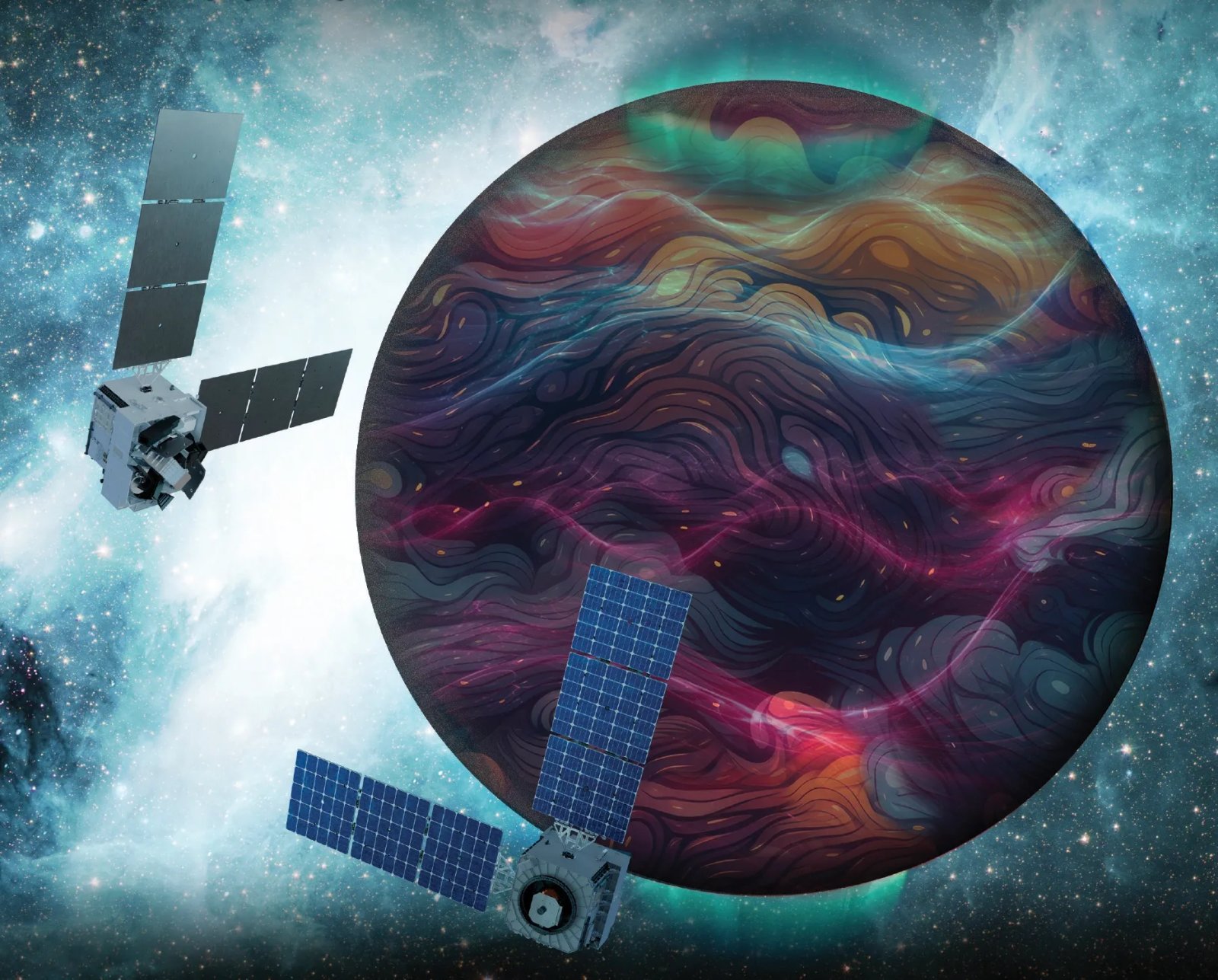
NASA has taken a significant step forward in studying the impact of space weather on Earth’s atmosphere. The newly selected DAPHNE (Dynamic Atmosphere-Ionosphere Explorer) mission aims to explore the relationship between our planet’s lower and upper atmospheres. By utilizing twin satellites, this mission will provide insights into how changes at lower altitudes affect the ionosphere, where phenomena like space weather occur.
The DAPHNE mission is essential for improving prediction capabilities of space weather events that can disrupt crucial technologies. These events can impact GPS systems, low Earth orbit satellites, and even astronauts in space. Nicky Fox, associate administrator for NASA’s Science Mission Directorate, emphasized the importance of this mission, stating, “NASA is advancing the United States’ leadership as a space weather-ready nation.” The insights gained will help mitigate risks as astronauts venture beyond Earth, including missions to the Moon and Mars.
The Scientific Framework
DAPHNE will gather multi-point measurements of critical atmospheric properties, such as neutral winds and temperature in the thermosphere. This region represents the transition between Earth’s neutral atmosphere and the ionized plasma of outer space. Space weather is influenced by solar activity and events occurring in lower altitudes, making the data collected vital for practical applications.
Led by Aimee Merkel from the University of Colorado, Boulder, the DAPHNE mission promises low-risk and high-reward results. The mission is set for its confirmation review in 2027. If approved, it will have a total estimated cost of up to $250 million, not including launch expenses, with the launch aimed for no earlier than 2029.
This initiative stems from a concept study linked to the DYNAMIC (Dynamical Neutral Atmosphere-Ionosphere Coupling) mission announcement. Funded under NASA’s Solar Terrestrial Probes program, DAPHNE stands to advance our understanding of space weather, benefiting not just the scientific community but also the wider society that relies on technology influenced by these atmospheric conditions.
For further insights into NASA’s heliophysics missions, more information is available at NASA’s dedicated science page.
Stay Ahead with the Latest Tech Trends
Explore the future of technology with our detailed insights on Artificial Intelligence.
Explore past and present digital transformations on the Internet Archive.
Space
