

Essential Insights
-
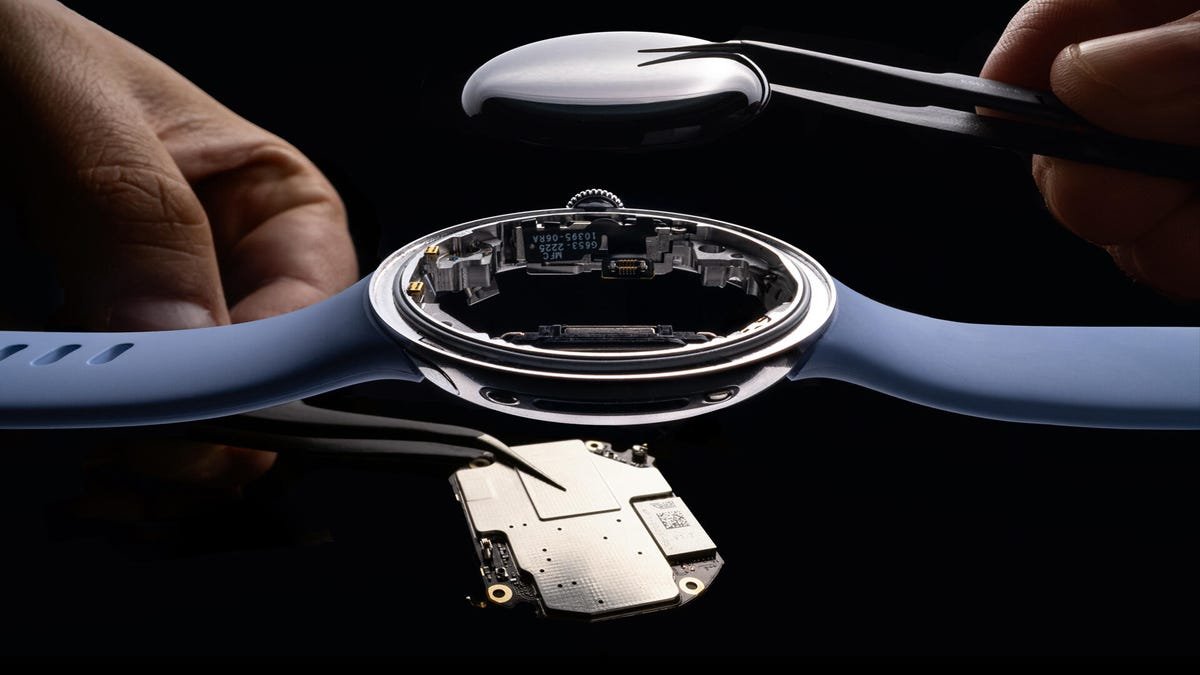
Repair Adventure: The author learns the importance of using tools like a spudger while attempting a DIY screen replacement for the Google Pixel Watch 4, highlighting wearables’ complexities and the challenges faced by amateur repair enthusiasts.
-
Right to Repair Movement: With US states and the EU pushing right-to-repair legislation, companies are beginning to prioritize product repairability, yet wearables remain notably challenging due to their compact designs and lack of suitable repair ecosystems.
-
Design Innovations: Google’s Pixel Watch 4 sets a precedent for repairable wearables by using innovative engineering to minimize adhesives, enabling easier disassembly without sacrificing performance, including waterproofing.
-
Consumer Engagement: Emphasizing the need for consumer involvement in tech repair, the article argues that companies should facilitate repairs through better design, resources, and support, ultimately leading to sustainability and less electronic waste.
The Challenge of Repairability
Wearable technology is increasingly popular, yet it faces a significant hurdle: repairability. Devices like smartwatches and earbuds often become disposable, leading to more electronic waste. As owners, we may find ourselves frustrated when these products break down. The good news is that initiatives like the right-to-repair movement are gaining traction, pushing manufacturers to design gadgets that are easier to fix. For example, Google’s Pixel Watch 4 scored high on repairability thanks to its design, allowing even novices to attempt repairs at home. This shift not only decreases waste but also encourages a culture of sustainability among consumers.
Potential Benefits of Repair
The advantages of making wearables repairable extend beyond reduced waste. When consumers can fix their devices, they often feel a greater sense of ownership. This concept ties into the “Ikea Effect,” which suggests people value items they’ve built or repaired themselves. Furthermore, companies that promote repairable designs foster loyalty among consumers. If customers see that a brand prioritizes sustainability, they are likely to stick with that brand longer. As wearables evolve, embracing repairability could become a standard that benefits both consumers and manufacturers.
Taking Action as Consumers
As individuals, we have a role in this movement. Repairing our gadgets not only saves money but also contributes to a greener planet. Many people express interest in DIY repairs, but barriers like lack of tools or knowledge can be intimidating. However, resources are becoming more available, empowering users to tackle repairs confidently. Brands can also assist by providing clear instructions and support. By engaging with our technology in a hands-on way, we pave the way for a future where repairable wearables become the norm, ultimately benefiting both the environment and our wallets.
Expand Your Tech Knowledge
Stay informed on the revolutionary breakthroughs in Quantum Computing research.
Access comprehensive resources on technology by visiting Wikipedia.
FashionTechV1
