

Summary Points
- OpenAI partnered with Broadcom to develop custom chips for AI applications.
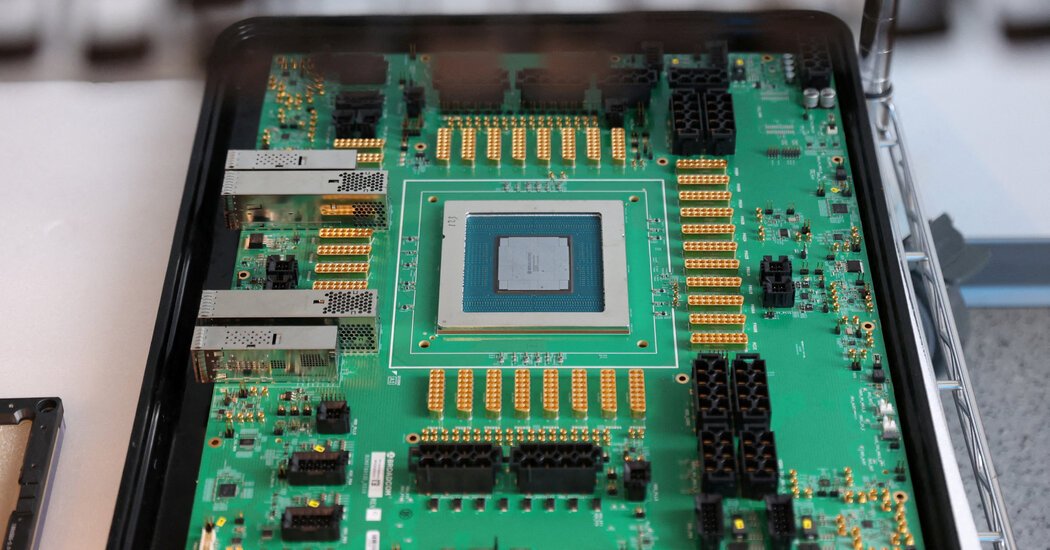
- Their first chip, Jalapeño, aims to enhance AI data center efficiency.
- OpenAI seeks to use enough chips to consume 10 gigawatts of power.
- Many tech companies are investing heavily in new AI data centers.
A New Era in AI Technology
OpenAI’s recent partnership with Broadcom marks a significant turning point in the world of artificial intelligence. The launch of their custom chip, Jalapeño, demonstrates a strategic move by OpenAI to optimize its AI capabilities. By tailoring chips specifically for tasks like powering ChatGPT, OpenAI seeks to enhance performance and efficiency in data centers worldwide.
OpenAI plans to use these chips to consume up to 10 gigawatts of electricity. This staggering amount of power could potentially serve millions of homes. Many tech giants, including Amazon, Google, and Microsoft, are investing billions to expand their data center infrastructure. With AI technologies rapidly gaining prominence, the demand for specialized hardware is soaring. OpenAI aims to cement its position in this competitive landscape by diversifying chip partnerships beyond just Nvidia and AMD.
Challenging Market Dominance
The AI chip market is evolving. Several players are now stepping up to challenge Nvidia’s long-standing dominance. Companies like Google and Amazon, along with innovative startups like Cerebras, are developing chips designed to meet unique AI demands. OpenAI’s collaboration with Broadcom positions it favorably in this shifting landscape.
Jalapeño has shown promising initial results. Its design process progressed quickly, completing in just nine months. This rapid turnaround highlights OpenAI’s commitment to innovation. However, creating effective chips often requires numerous iterations, even for seasoned manufacturers. The real test lies ahead as companies work to roll out these chips effectively and meet the market’s growing needs.
OpenAI’s strategy indicates a shift towards greater control over its technological framework. By reducing reliance on established chipmakers, OpenAI can strengthen its negotiating power. This bold approach could reshape how AI technologies interact with hardware and challenge existing business models in the tech industry. The future of AI is not just about software; it is becoming increasingly intertwined with custom hardware solutions.
Continue Your Tech Journey
Stay informed on the revolutionary breakthroughs in Quantum Computing research.
Access comprehensive resources on technology by visiting Wikipedia.
TechV1
