

Top Highlights
- Christopher Griffin discovered Africa’s oldest known dinosaur fossil, Mbiresaurus raathi.
- The dinosaur, about 6 feet long, lived around 230 million years ago.
- Research suggests climate influenced dinosaur migration patterns during the Triassic Period.
- Ongoing studies aim to uncover more fossils and evolutionary insights in Zimbabwe.
Unearthing History: A Remarkable Discovery in Zimbabwe
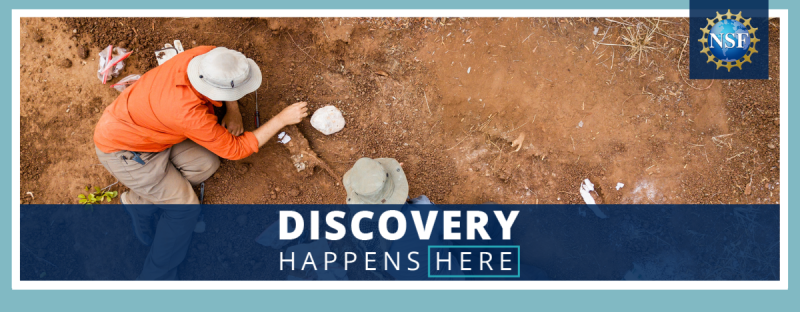
The discovery of Africa’s oldest known dinosaur, Mbiresaurus raathi, marks a significant milestone in paleontology. Christopher Griffin, a graduate student, had an ‘aha!’ moment when he found a femur embedded in the Zimbabwean earth. This femur, a vital piece of evidence, revealed immediate traits unique to dinosaurs. No previous dinosaur fossils from this age had been found in Africa, creating a historic opportunity for scientists to fill critical gaps in our understanding of Earth’s past.
The fossil dates back roughly 230 million years to the Late Triassic Period. Researchers estimate Mbiresaurus measured about six feet long. It exhibited small, serrated teeth, suggesting it was either an herbivore or an omnivore. Griffin’s team conducted painstaking lab work and compared findings to similar fossils in Brazil to determine that they had discovered a new sauropodomorph. The name honors both the local heritage and a pioneering paleontologist, Michael Raath, who laid groundwork for future discoveries in the region. This endeavor underscores the value of international collaboration in scientific inquiry.
Climate’s Role and Future Possibilities
Griffin’s work in Zimbabwe was more than a simple fossil hunt. He and his team aimed to understand dinosaur migration patterns linked to ancient climate conditions. They focused on northern Zimbabwe, an area that once had a climate similar to southern Brazil and India during the Late Triassic. Their hypothesis suggested that climate belts influenced animal distribution, which led them to design a novel method for testing these ideas. The research not only sheds light on dinosaurs but also contributes to understanding early ecosystems and their evolution.
The findings extend beyond just one dinosaur. The research team recovered various fossils, including relatives of early mammals and reptiles. This diversity of fossils reveals the intricate web of life during the Late Triassic and sets the stage for more discoveries. The Natural History Museum of Zimbabwe will house the fossils, making them accessible for ongoing research. As Griffin noted, countless skeletons remain to be studied, with the potential for further groundbreaking finds. Future experiences stand to deepen our understanding of ancient life, inspiring a new generation of scientists eager to uncover more of the world’s hidden history.
Stay Ahead with the Latest Tech Trends
Explore the future of technology with our detailed insights on Artificial Intelligence.
Stay inspired by the vast knowledge available on Wikipedia.
TechV1
