

Top Highlights
- IBM has developed the world’s first sub-1nm chip, named “nanostack,” achieving a 0.7nm size with twice the transistor density of existing 2nm chips.
- This new architecture offers up to 50% more performance or 70% greater energy efficiency, potentially revolutionizing computing power without additional energy consumption.
- The nanostack design stacks nanosheet transistors vertically, allowing for increased density and performance within a compact chip.
- Commercialization is expected within five years, signaling a major advancement that could shape the next decade of chip development.
A Major Breakthrough in Chip Technology
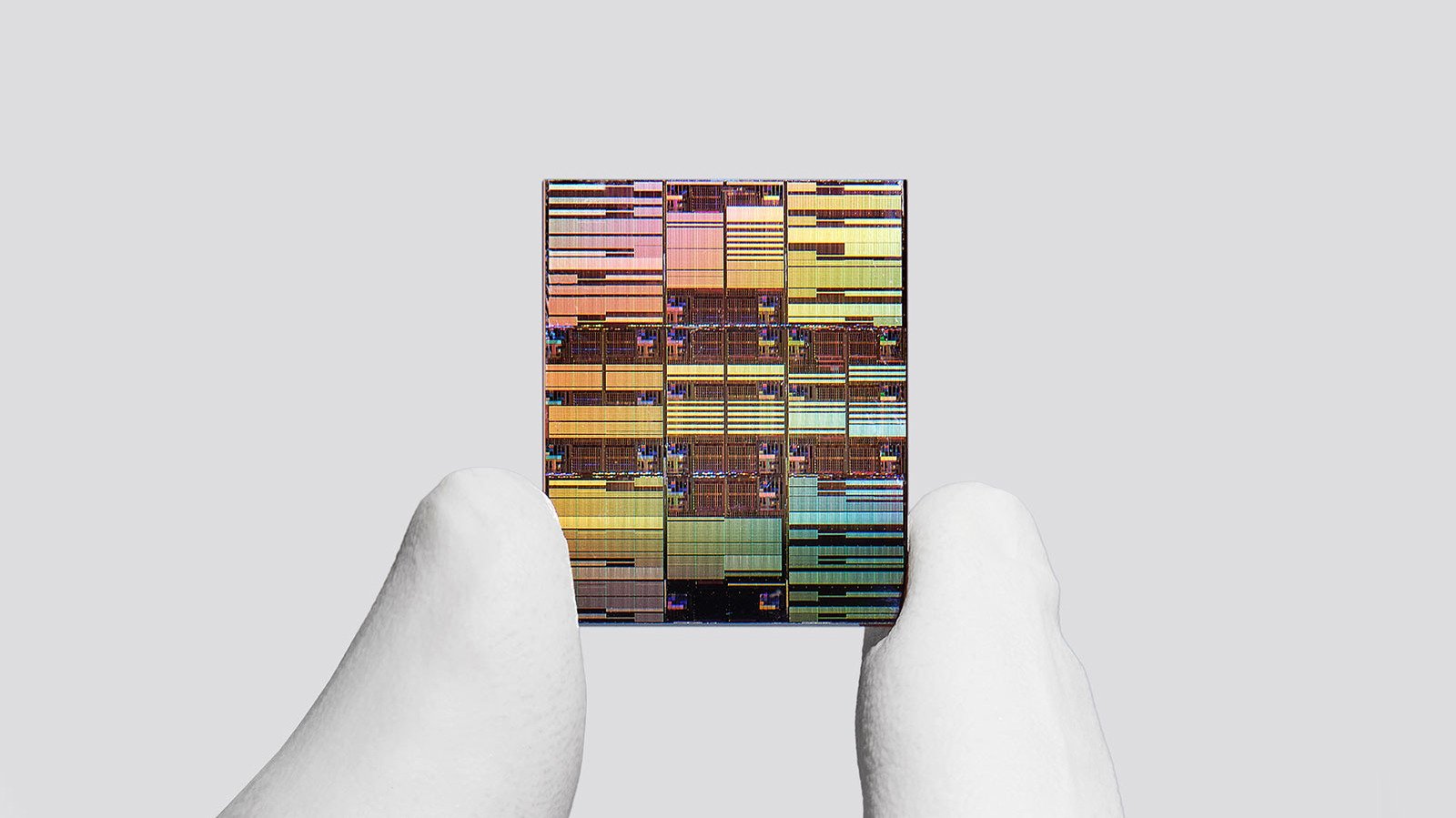
IBM has announced a landmark achievement in the world of microelectronics. The company claims it has developed the first chip smaller than 1 nanometer. This is a significant step forward because smaller chips can handle more data and use less energy. The new “nanostack” design builds on a previous 2nm chip and makes a huge leap to a 0.7nm chip. This tiny chip contains almost 100 billion transistors. For comparison, it is twice as dense as IBM’s earlier 2nm design. With such high density, the chip can deliver better performance or use energy more efficiently.
This innovation is not just about making smaller chips. It aims to enhance computing power while reducing energy consumption. As more transistors fit into the same small space, chips become faster and more efficient. For users, this means faster phones, brighter graphics, and longer-lasting devices. And, since energy efficiency improves, the environmental impact of electronics could drop as well.
However, this breakthrough also raises new questions. Manufacturing at this scale is extremely complex, and mass production may take years. Even so, the promise of such advanced chips energizes the industry. It points towards a future where devices become more powerful without needing more energy, which benefits everyone.
How the “Nanostack” Architecture Changes the Game
The key to this achievement lies in IBM’s innovative “nanostack” architecture. This design builds on existing nanosheet transistor technology. Instead of stacking transistors only horizontally, IBM arranged them vertically. This stacking allows more transistors to fit into a tiny space. The transistors are made of nanosheets, each only five nanometers thick. They are separated by about nine nanometers, creating a compact and efficient structure.
Think of it as stacking layers of building blocks efficiently. Each nanosheet has 15 silicon atom rows, making the transistor very small but powerful. This new architecture paves the way for future chips that are both dense and energy-efficient. It could transform how chips are made and lead to faster, smarter devices.
Despite the excitement, it’s important to recognize that commercial use may still be years away. The company estimates about five years before these chips can be mass-produced. This timeline aligns with other industry efforts to develop ultra-small chips, making the road to market a long but promising journey.
What This Means for the Future of Technology
The creation of a sub-1 nanometer chip signals a new chapter in tech development. This achievement shows that even as chips get smaller, they can become more powerful and efficient. Such innovations could lead to smarter smartphones, faster computers, and improved AI systems.
The potential benefits go beyond just devices. In sectors like healthcare, transportation, and energy, these tiny, efficient chips could power new tools and solutions. For example, smaller sensors could lead to better health monitors or smarter IoT devices. Additionally, because these chips use less energy, they could help reduce the carbon footprint of technology.
However, it’s also vital to consider the challenges ahead. Manufacturing at such a small scale demands new techniques and materials, and scaling this technology will require significant investment. Still, IBM’s breakthrough proves that pushing the boundaries of miniaturization remains possible. As development continues, people should keep an eye on how these innovations reshape our digital world in the coming years.
Continue Your Tech Journey
Explore the future of technology with our detailed insights on Artificial Intelligence.
Explore past and present digital transformations on the Internet Archive.
CellphonesV1
