

Essential Insights
- Research reveals shifting weather patterns due to climate change from the NSF.
- Warmer climates lead to heavier snowstorms in northern regions, but less overall snowfall elsewhere.
- A 2020 study predicts 28% fewer snowstorms by the 2090s in parts of North America.
- Climate change may lengthen allergy seasons, increasing pollen emissions significantly by century’s end.
Shifting Paradigms: The Role of Technology in Understanding Weather
For over a century, society has largely accepted the weather as an immutable element of nature, without fully addressing the ramifications of its change. Charles Dudley Warner’s observation from 1897 rings true today: while everyone discusses the weather, few act on understanding its shifts. Recent efforts from the National Science Foundation (NSF) spotlight significant changes in weather patterns, revealing that ignoring these trends could have dire consequences.
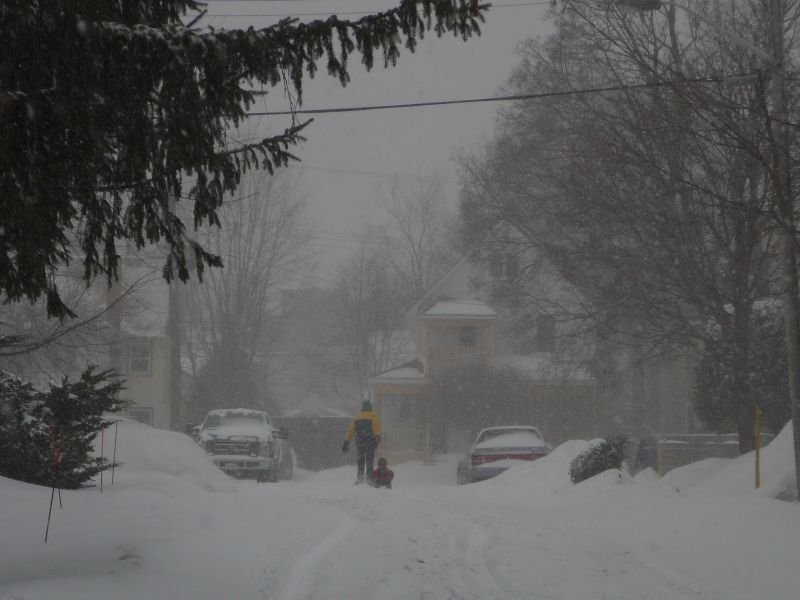
Research from the NSF’s Division of Atmospheric and Geospace Sciences uncovers patterns that illustrate a stark transition in winter weather. Warmer air can retain more moisture, potentially leading to increased snowfall in certain areas. In the northern states, this phenomenon contributes to heavier snowstorms. Conversely, the western U.S. faces reduced snowfall, affecting local economies and sports industries reliant on winter tourism.
Researchers at Northern Illinois University forecast a 28% decrease in snowstorms by the 2090s. This decline heralds not only fewer and less intense storms but also a shift in the seasons themselves. The forecast also predicts an earlier onset of spring, which evokes challenges far beyond winter recreation.
The Broader Implications of Climate Change
The implications of these weather changes ripple through ecosystems and public health. Reduced lake ice cover in areas like Colorado threatens freshwater supplies vital for millions. Altered seasonal changes can disrupt wildlife, which depend on stable snow patterns for survival.
Additionally, a changing climate extends allergy seasons with increased pollen production by up to 200%. Such developments exacerbate health issues for many, leading to more days spent in discomfort.
The NSF’s research illustrates an urgent need for proactive adaptation plans. As climate patterns shift, communities must leverage technology for better forecasting and natural resource management. Studies grounded in advanced computational models can optimize emergency preparedness and resource allocation, ensuring resiliency in the face of unpredictable weather.
While society may have long talked about the weather, the NSF’s findings call for earnest action. By embracing technology and investing in research, we can navigate the challenges climate change presents, ultimately fostering thriving communities and ecosystems.
Stay Ahead with the Latest Tech Trends
Explore the future of technology with our detailed insights on Artificial Intelligence.
Discover archived knowledge and digital history on the Internet Archive.
TechV1
