

Summary Points
- Connie Franciosi, 80, joined a trial for an mRNA melanoma vaccine.
- After five years, 68.8% of trial patients remained cancer-free with combination therapy.
- Personalized mRNA vaccines target unique tumor markers, enhancing immunotherapy effectiveness.
- Future trials aim to explore mRNA vaccine potential for other cancers too.
A New Era in Melanoma Treatment
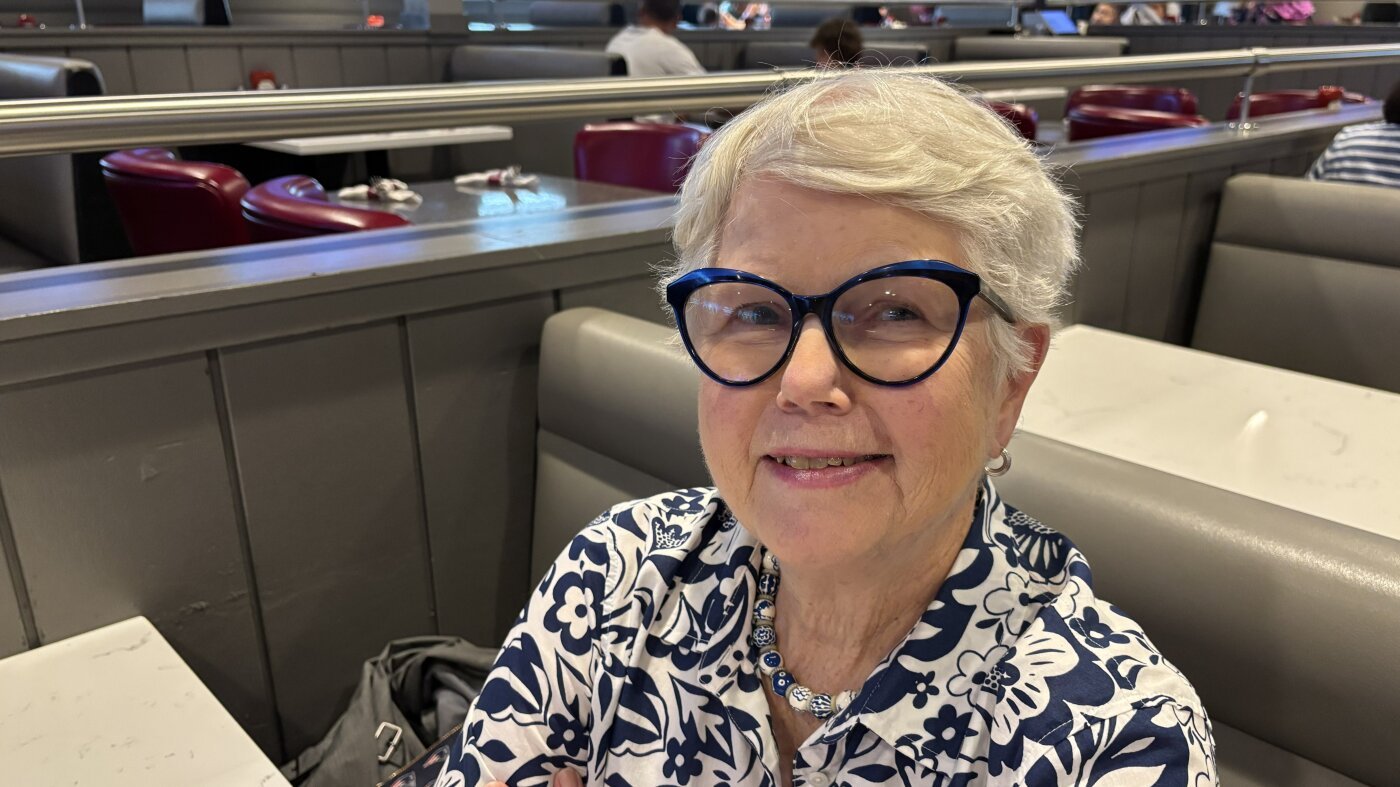
Connie Franciosi, an 80-year-old cancer survivor, recently celebrated renewed health after participating in a groundbreaking clinical trial. She faced a late-stage melanoma diagnosis in 2020. Following surgery, her risk of recurrence loomed large. Luckily, she joined a trial testing a personalized messenger RNA (mRNA) vaccine combined with Keytruda, an established immunotherapy drug. This approach aimed to prevent melanoma’s return, leveraging technology that caught public attention during the COVID-19 pandemic.
Results from the trial reveal promising advancements. After five years, 68.8% of patients who received this combined therapy remained cancer-free, compared to 49.1% for those treated with Keytruda alone. Additionally, 92% of patients on the new regimen lived past the five-year mark, compared to 71% of those using only the standard therapy. These figures underscore a remarkable 49% decrease in the risk of recurrence, marking a significant leap in how professionals treat high-risk melanomas.
This trial involved sequencing tumor DNA to identify unique molecular fingerprints, or neoantigens. Each patient received a custom vaccine tailored to their cancer. This personalization sets it apart from the one-size-fits-all COVID-19 vaccine. By targeting specific features of a patient’s tumor, researchers hope to enhance the immune response. They unleash T cells, trained to identify and destroy cancer cells successfully.
The Road Ahead
The results spark enthusiasm not only for melanoma treatment but also for future cancer therapies. Researchers are already exploring whether mRNA vaccines can aid in preventing recurrences of other cancers, like lung cancer. Moderna, the company responsible for the vaccine, seeks FDA approval for broader applications as a Phase 3 trial kicks off with nearly 1,000 patients involved.
Despite its promise, some concerns linger. Public skepticism about vaccine technology, fueled by politicization, could hinder broader acceptance. Experts argue that understanding the specific applications of mRNA technology is crucial. Unlike the COVID-19 vaccine, this strategy aims to boost the immune response against cancer.
Franciosi’s journey embodies a broader narrative: the shift toward personalized cancer treatment. As healthcare advances, the intersection of technology and medicine opens a new chapter in combating cancer. With each trial, hope grows. Every data point strengthens the case for integrating personalized immunotherapy in mainstream medical practices. More patients can look forward to a life free from the shadow of cancer.
Discover More Technology Insights
Learn how the Internet of Things (IoT) is transforming everyday life.
Stay inspired by the vast knowledge available on Wikipedia.
TechV1
