

Fast Facts
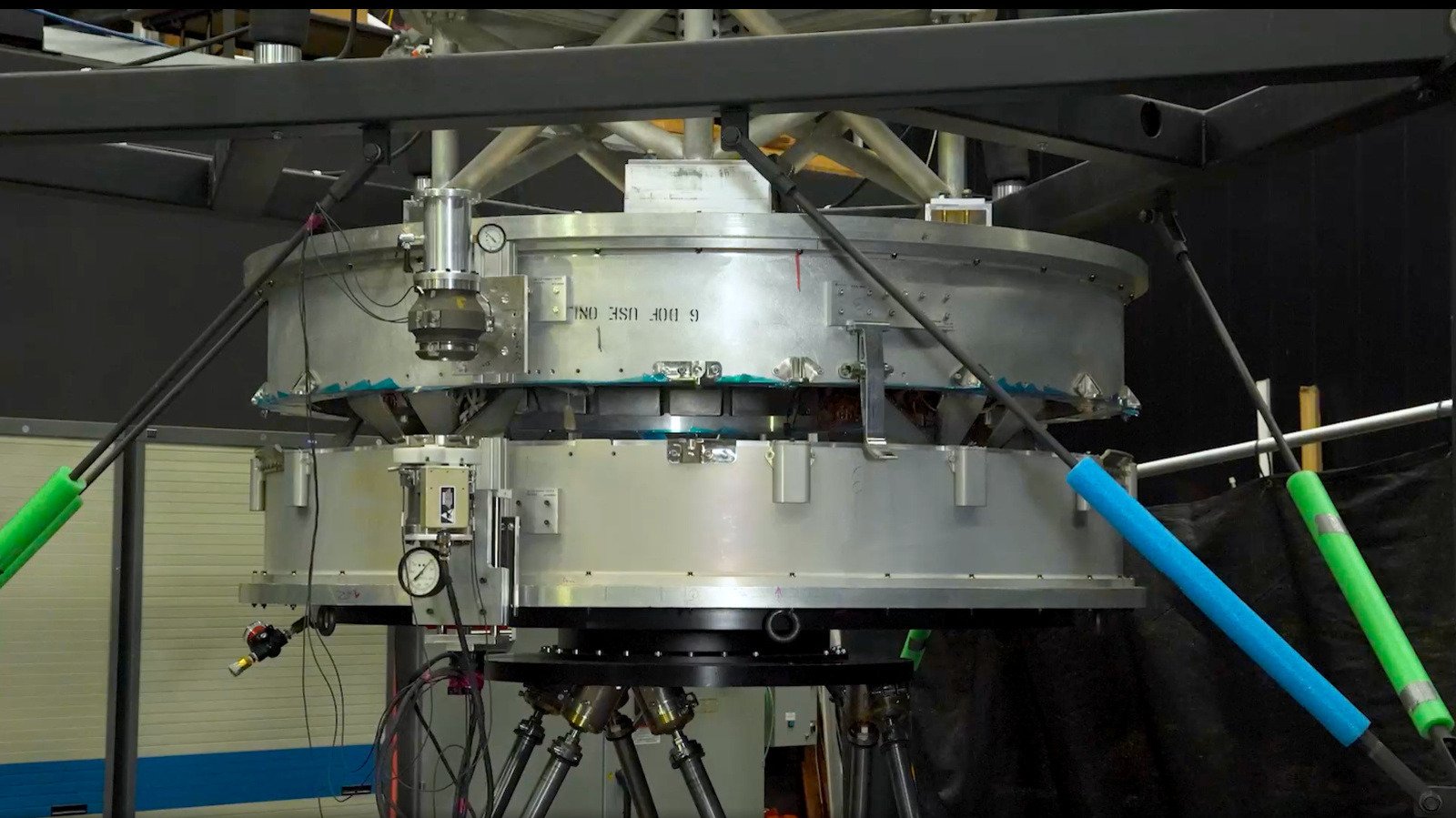
The article discusses NASA’s development and testing of a cryocoupler by L3Harris, a device designed to enable refueling of spacecraft in orbit, which is crucial for future deep space missions. The cryocoupler functions like a gas pump nozzle, allowing spacecraft to connect and transfer cryogenic fuels such as liquid hydrogen and oxygen in space. This technology must handle extremely cold temperatures, ensure leak-proof transfer, and operate automatically without manual intervention, even under conditions like misaligned docking.
Key Highlights:
- NASA and L3Harris are developing the cryocoupler to facilitate in-orbit refueling, essential for deep space exploration.
- The cryocoupler must transfer supercold propellants safely, reliably, and repeatedly, without manual operation or leaks.
- Initial tests involved flowing liquid nitrogen at -321°F through various configurations, including simulated misalignments, to evaluate performance.
- Future testing will tailor the cryocoupler to specific mission requirements, advancing space fueling technology significantly.
Revolutionizing Space Refueling: The Cryocoupler Breakthrough
NASA is testing a new device called the cryocoupler, developed by the American company L3Harris. This technology could change how spacecraft refuel in space. Think of the cryocoupler as a gas pump nozzle for satellites and rockets. It will allow vehicles to connect smoothly and transfer cryogenic fuels like liquid hydrogen and oxygen. These fuels are essential for deep space missions. Currently, refueling in orbit remains a challenging task. The cryocoupler’s design makes it possible to attach and detach multiple times without manual input. This automation reduces risks and improves safety for astronauts. Such advancements pave the way for longer, more ambitious journeys beyond our planet. Future missions may travel farther into the solar system, thanks in part to this innovative technology.
Testing and Challenges in Deep Space Refueling
NASA’s team has already conducted initial tests of the cryocoupler using liquid nitrogen, which is extremely cold. They ran these tests at temperatures below minus 300 degrees Fahrenheit. These experiments show how the device reacts to extreme cold and different connection setups. The team also tested how well the cryocoupler handles misaligned dockings. Since perfect alignment is hard to achieve in space, this feature is crucial. Despite these early tests, engineers still have work ahead. They need to adapt the device for specific mission requirements. Each test provides valuable data to improve the design and durability of the cryocoupler. Ensuring that it can reliably operate in harsh space conditions remains a top priority. Success in this area will provide a reliable way to supply spacefarers with fuel during extended missions.
The Future of Space Exploration and In-Orbit Refueling
The cryocoupler could become a vital part of the future of space travel. It would turn orbit into a miniature gas station, ready to fuel spacecraft before they go farther into space. This capability would reduce the need to carry all the fuel from Earth, saving weight and space. Moreover, in-orbit refueling enables longer missions and larger spacecraft. These improvements could open new possibilities for exploring planets, moons, and beyond. As testing progresses, scientists and engineers look forward to refining the cryocoupler. The technology’s success may lead to a new era where refueling in space becomes routine. Ultimately, this innovation not only supports NASA’s missions but also benefits the entire space industry. It brings us closer to humanity’s next big leap into the cosmos.
Discover More Technology Insights
Explore the future of technology with our detailed insights on Artificial Intelligence.
Stay inspired by the vast knowledge available on Wikipedia.
CellphonesV1
