

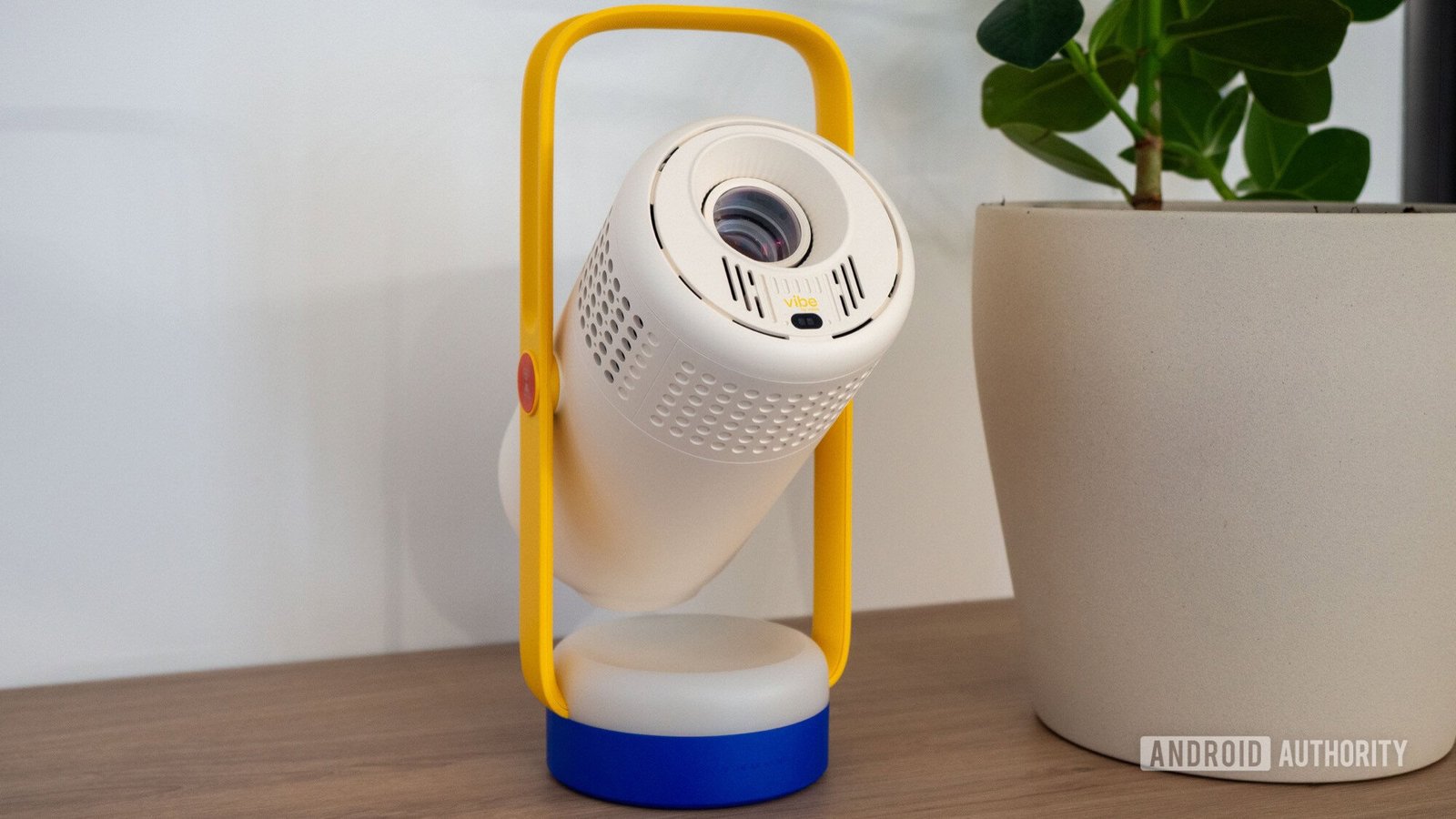
Essential Insights
- The author prefers projectors over traditional TVs for their flexibility, portability, and ability to be easily installed anywhere without permanent modifications.
- Portable, battery-powered projectors enable users to carry their display, stream, and sound solutions seamlessly across different rooms and locations.
- Modern ultra-short-throw projectors offer large, adjustable screen sizes, adaptable to various wall or ceiling surfaces, making them a versatile alternative to fixed large TVs.
- Projectors with built-in Google TV provide a user-friendly, app-rich experience with easy casting, smart home integration, and minimal cable clutter, despite some challenges like ambient light sensitivity and sound quality.
Redefining Home Entertainment: The Shift from Traditional TVs to Projectors
For years, we’ve relied on large, bulky televisions to watch our favorite shows and movies. However, recent innovations in projector technology are changing that mindset. Portable Google TV projectors now offer a flexible, stylish, and practical alternative. They don’t just serve as a temporary fix, but could completely replace traditional TVs in many homes. The ability to project onto any wall or curtain adds an adaptable element that static TVs simply can’t match. Plus, these projectors are lightweight and easy to move, giving users the freedom to change their viewing setup without much hassle. This flexibility makes them a strong contender for future home entertainment choices.
Features and Benefits That Outshine Conventional TVs
Modern projectors come packed with features that enhance the viewing experience while offering real value. Many models now include built-in Google TV, eliminating the need for extra streaming devices. Simply turn the projector on, and all your favorite apps and content appear instantly. The portability factor is another major benefit: you can carry your entire entertainment system from room to room effortlessly. Whether on a white ceiling in the bedroom or a blank wall in the living room, a projector can deliver a large, crisp image without permanently occupying space or requiring permanent installation. Furthermore, their adaptable size means you can enjoy a giant display that rivals or exceeds traditional TV screens—just by adjusting the distance from the wall or ceiling.
Challenges and Opportunities for the Future of Viewing
Of course, switching from a TV to a projector does come with some drawbacks. Ambient light is one challenge, as projectors perform best in darker rooms. Also, picture quality and contrast are still catching up to high-end TVs. The speakers in projectors tend to be basic, so many users pair them with soundbars for better audio. Fans can produce noise, and some models still come with a higher price tag. Despite these issues, ongoing improvements are rapidly narrowing the gap. Budget-friendly options are becoming more powerful, and advanced models now address many common concerns. As technology advances, projectors may soon offer an even more seamless, high-quality experience. When it’s time for a new display, many will find that a projector fits their lifestyle better than a traditional TV—offering less fuss, more flexibility, and bigger screens.
Discover More Technology Insights
Explore the future of technology with our detailed insights on Artificial Intelligence.
Discover archived knowledge and digital history on the Internet Archive.
CellphonesV1
