
Close Menu
    Facebook X (Twitter) Instagram
    Friday, August 7
    Top Stories:
    • Unveiling A.I. Secrets: Navigating White House Rules & Model Alignment Chaos
    • Anker Reveals Major Flaw in Portable Power Stations
    • Meta Fined $567 Million in New Mexico Court
    Facebook X (Twitter) Instagram Pinterest Vimeo
    IO Tribune
    • Home
    • AI
    • Tech
      • Gadgets
      • Fashion Tech
    • Crypto
    • Smart Cities
      • IOT
    • Science
      • Space
      • Quantum
    • OPED
    IO Tribune
    Home » MIT’s New Chip Enables Tiny Robots’ Navigation
    Quantum

    MIT’s New Chip Enables Tiny Robots’ Navigation

    Staff ReporterBy Staff ReporterJune 23, 2026No Comments2 Mins Read
    Share Facebook Twitter Pinterest LinkedIn Tumblr Reddit Telegram Email
    Share
    Facebook Twitter LinkedIn Pinterest Email

    Summary Points

    1. MIT’s new low-power chip enables tiny robots to create real-time 3D maps.
    2. It uses Gaussian ellipsoids for efficient obstacle and free space mapping.
    3. The chip consumes only 6 milliwatts, ideal for extended wearable AR devices.
    4. Innovative algorithms reduce memory use and power by processing compact Gaussians.

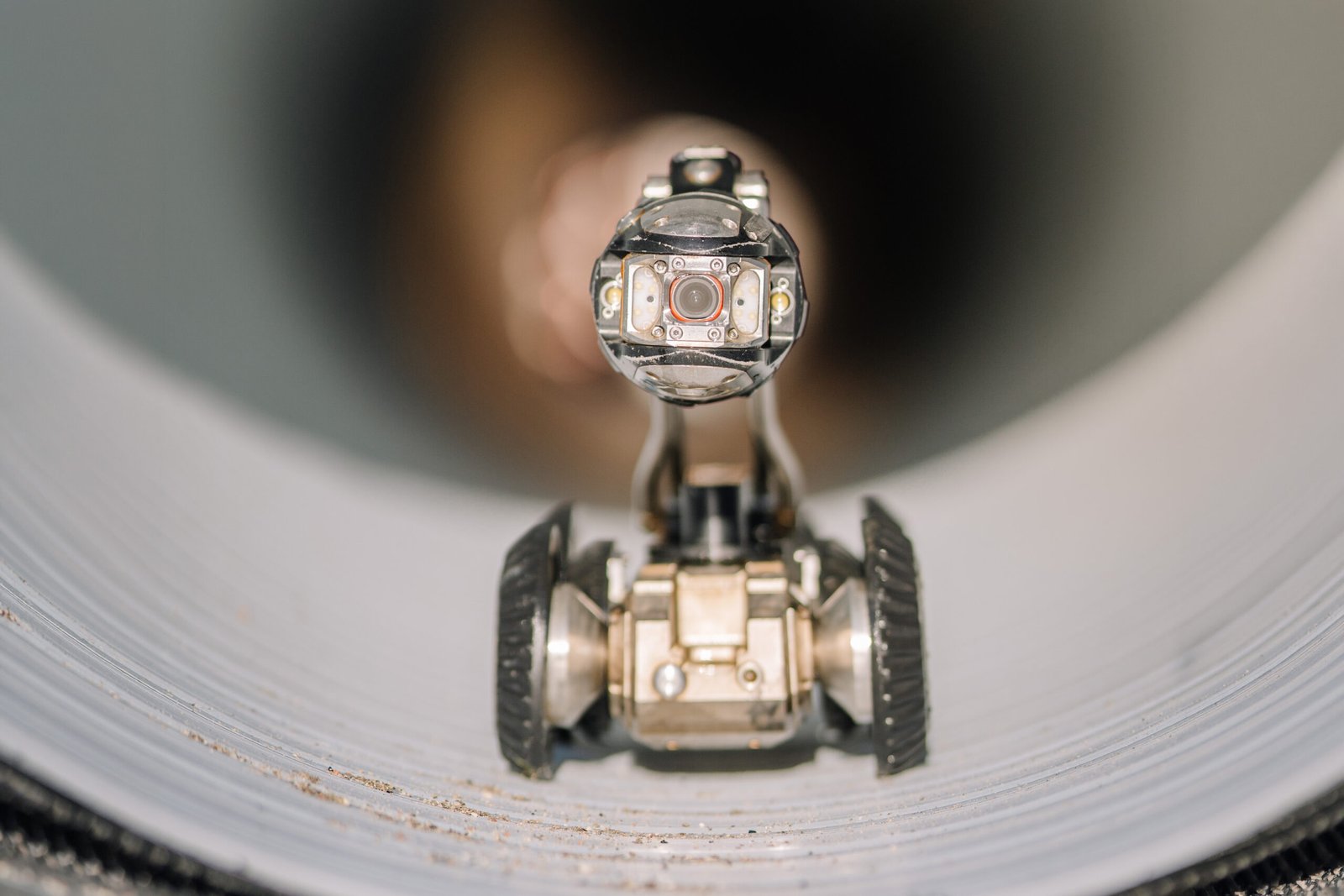
    MIT has developed a new chip that helps tiny robots avoid obstacles inside complex environments. This chip is designed to allow small, low-power drones and robots to create detailed 3D maps in real time. They can do this using just as much power as a single LED, making them ideal for battery-limited devices. The chip can help robots navigate tight corners in places like industrial HVAC systems to detect gas leaks safely.

    Innovative Mapping with Gaussians

    Instead of using traditional cube-shaped pixels called voxels, the MIT team used ellipsoid-shaped blobs called Gaussians. These blobs more accurately match curved surfaces and save space by representing large areas with fewer shapes. The system uses an efficient algorithm called GMMap to generate 3D maps quickly from depth images. It compares only neighboring pixels, reducing memory and power needs. The map is made even more compact by merging overlapping Gaussians, which is done without going back to the original images.

    Powerful and Compact Hardware Design

    The system-on-a-chip, called Gleanmer, accelerates the process with specialized hardware. It keeps the active Gaussians in small on-chip memory, making the process faster and more energy-efficient. Tests show it can reconstruct 3D environments while consuming only 6 milliwatts of power—about 2.5% of what other chips need. This low power use enables small robots and devices like augmented reality headsets to operate longer without recharging. Open future applications include better blueprints analysis and enhanced environmental sensing, helping robots and AR devices navigate environments seamlessly.

    Stay Ahead with the Latest Tech Trends

    Explore the future of technology with our detailed insights on Artificial Intelligence.

    Access comprehensive resources on technology by visiting Wikipedia.

    QuantumV1

    Gleanmer HPC Peter Zhi Xuan Li Quantum Robotics Sertac Karaman Sustainability System-on-a-chip Trajectory planning Vivienne Sze VT1 Zih-Sing Fu
    Share. Facebook Twitter Pinterest LinkedIn Tumblr Email
    Previous ArticleKeySIM Empowers Engineer M8 with Resilient IoT SIMs
    Next Article Unlocking Longevity: The Butterfly Connection
    Avatar photo
    Staff Reporter
    • Website

    John Marcelli is a staff writer for IO Tribune, with a passion for exploring and writing about the ever-evolving world of technology. From emerging trends to in-depth reviews of the latest gadgets, John stays at the forefront of innovation, delivering engaging content that informs and inspires readers. When he's not writing, he enjoys experimenting with new tech tools and diving into the digital landscape.

    Related Posts

    Gadgets

    Stop Roku From Tracking Your Viewing Privacy

    August 7, 2026
    Tech

    Unveiling A.I. Secrets: Navigating White House Rules & Model Alignment Chaos

    August 7, 2026
    Tech

    Anker Reveals Major Flaw in Portable Power Stations

    August 7, 2026
    Add A Comment

    Comments are closed.

    Must Read

    Stop Roku From Tracking Your Viewing Privacy

    August 7, 2026

    Unveiling A.I. Secrets: Navigating White House Rules & Model Alignment Chaos

    August 7, 2026

    Anker Reveals Major Flaw in Portable Power Stations

    August 7, 2026

    Unleashing the Power of Artemis: A Journey of Strength and Spirit

    August 7, 2026

    Meta Ran Ads Featuring AI-Generated Abuse Images

    August 7, 2026
    Categories
    • AI
    • Crypto
    • Fashion Tech
    • Gadgets
    • IOT
    • OPED
    • Quantum
    • Science
    • Smart Cities
    • Space
    • Tech
    Most Popular

    Helium Hires: Fueling NASA’s Future

    August 9, 2025

    Apple’s AirPods: Transforming into an Always-On Wearable

    September 11, 2025

    Traders Bet Big on Bitcoin, But Funding Rates Signal Trouble

    August 26, 2025
    Our Picks

    Onion’s Infowars Takeover Faces New Hurdle

    April 30, 2026

    Sui Soars: Cetus and Bluefin Propel DEX Volume to New Heights!

    June 8, 2025

    Awakening the Red Sea: The Flood That Revived a Lost World

    October 8, 2025
    Categories
    • AI
    • Crypto
    • Fashion Tech
    • Gadgets
    • IOT
    • OPED
    • Quantum
    • Science
    • Smart Cities
    • Space
    • Tech
    • Privacy Policy
    • Disclaimer
    • Terms and Conditions
    • About Us
    • Contact us
    Copyright © 2025 Iotribune.comAll Rights Reserved.

    Type above and press Enter to search. Press Esc to cancel.