

Quick Takeaways
NASA issued a draft BAA on June 29, 2026, for lunar technology.
The initiative targets gaps in solar arrays, oxygen systems, and generators.
It aims to reduce risks and enhance technologies to TRL 5–6.
Funded projects will support NASA’s Moon Base and future missions.
Overview of NextSTEP-3 A: Lunar Enabling Technology
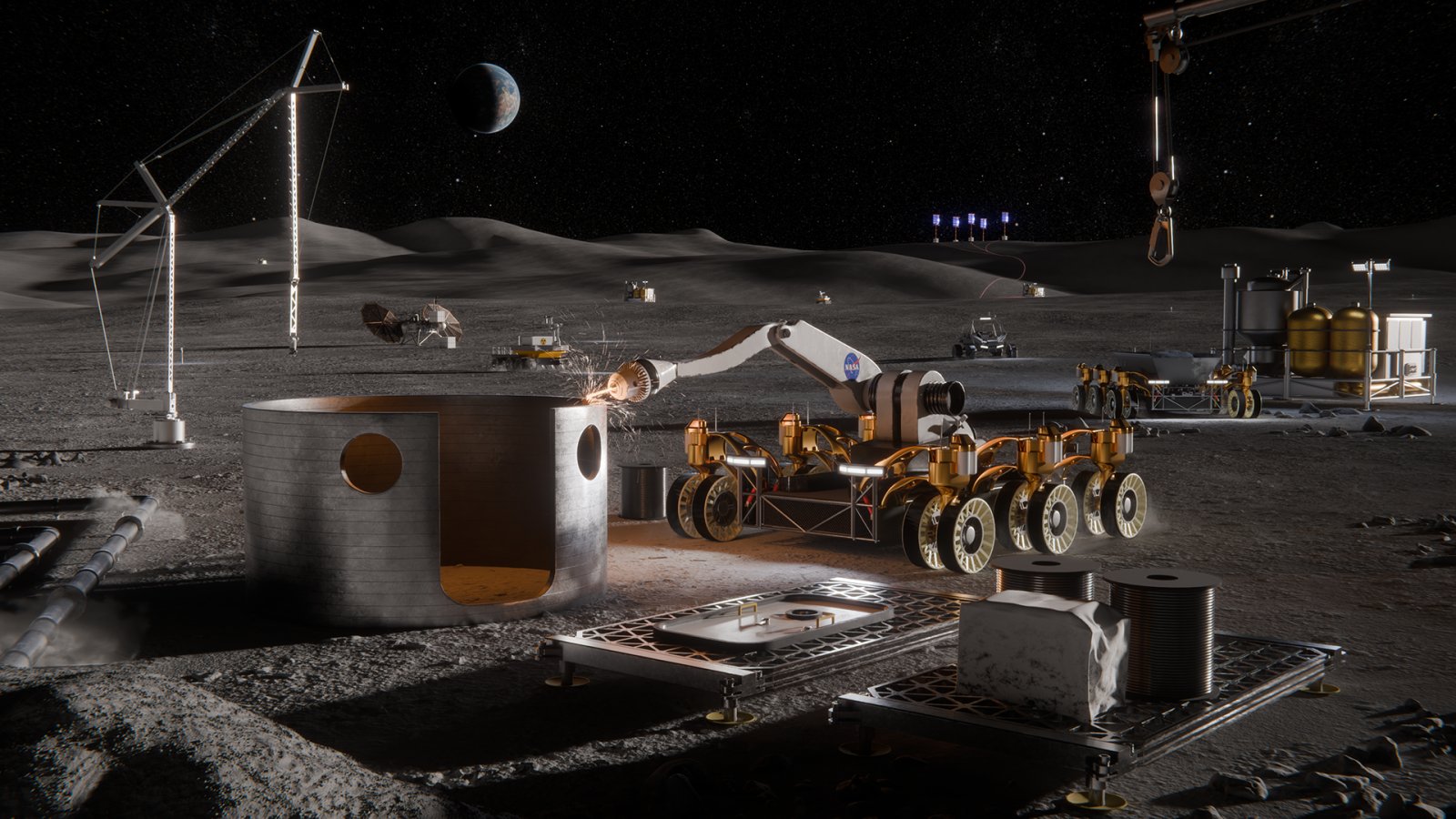
NASA is advancing its lunar exploration efforts through the NextSTEP-3 Appendix A. This Broad Agency Announcement (BAA) seeks to develop technologies critical for lunar surface and cislunar operations. Issued on June 29, 2026, the draft aims to attract cutting-edge proposals that can close existing technology gaps. By elevating various solutions to Technology Readiness Levels (TRL) 5–6, NASA targets practical implementation in upcoming missions.
The solicitation specifically focuses on several key areas. These include vertical solar arrays, in-situ resource utilization (ISRU) oxygen production systems, Stirling radioisotope generators, and in-space manufacturing processes. Emerging technologies, such as advanced nanomaterials, will also play a crucial role. By nurturing these technologies, NASA aims to build a robust foundation for sustainable lunar architecture.
Technology Maturity and Risk Reduction
One of the primary goals of the NextSTEP-3 initiative is to mitigate risks associated with new technologies. NASA emphasizes the need for ground-based testing to refine competing solutions. This approach not only enhances technological maturity but also encourages innovation across different sectors. Stakeholders are invited to propose ideas that can significantly enhance operational capabilities on the Moon.
Lunar exploration is complex and demands reliable technologies. Vertical solar arrays could offer efficient energy solutions, while ISRU oxygen systems reduce dependency on Earth. Stirling radioisotope generators promise a consistent power source, vital for extended missions. The initiative seeks to demonstrate these systems in real-world scenarios, thereby ensuring they meet mission demands.
The NextSTEP-3 A initiative represents a pivotal step in addressing the challenges of lunar exploration. By focusing on both technological advancement and risk reduction, NASA aims to pave the way for successful lunar missions. For interested parties, more information is available in the draft BAA on SAM.gov, outlining specific requirements and expectations.
Stay Ahead with the Latest Tech Trends
Stay informed on the revolutionary breakthroughs in Quantum Computing research.
Access comprehensive resources on technology by visiting Wikipedia.
Space
