

Quick Takeaways
- A study investigates how oviraptors incubated eggs, comparing them to birds.
- Researchers recreated oviraptor nests, finding position affected egg development efficiency.
- Oviraptor incubation was less effective than modern birds’ thermoregulatory methods.
- Findings offer new insights into dinosaur parenting and reproduction strategies.
Revisiting Dinosaur Incubation Techniques
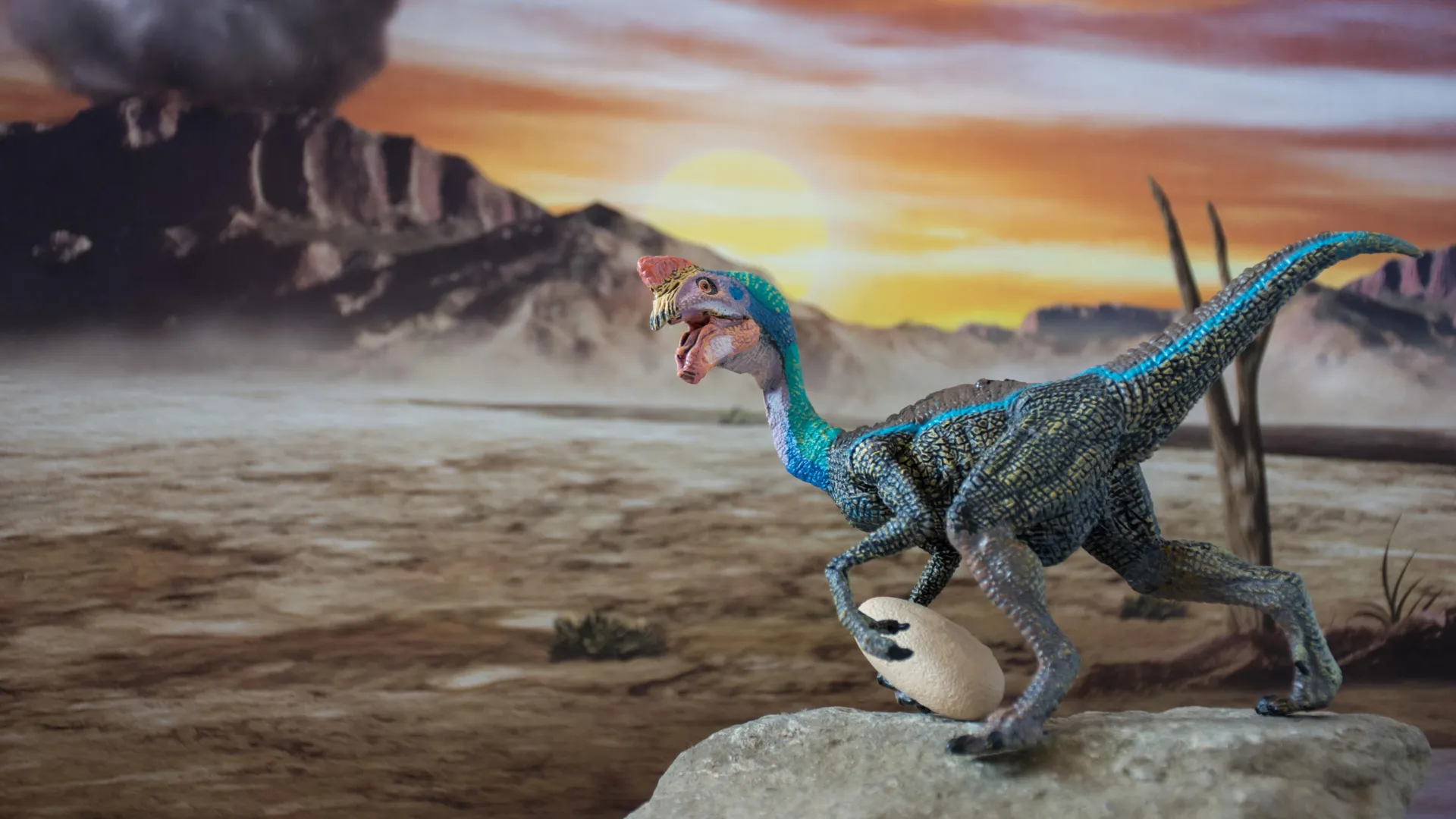
The recent study on oviraptors sheds light on an intriguing aspect of dinosaur biology: egg incubation. Scientists have long debated how these feathered, bird-like dinosaurs managed their nests. Did they incubate their eggs like modern birds or rely on the environment, similar to turtles? This research provides valuable insights into their nesting behaviors and parental care.
Researchers created a life-sized model of the oviraptor, Heyuannia huangi, and reconstructed its nest using artificial eggs. Their findings indicate that the position of the brooding adult significantly affected the temperature of the eggs. This discovery leads to a broader understanding of how oviraptors adapted to their environment for successful hatching. The study suggests that while oviraptors used ambient heat, they also engaged in some form of direct incubation. This hybrid approach helped shape the nurturing strategies that preceded modern bird behaviors.
Implications for Understanding Evolution
This research does more than reveal how oviraptors incubated their eggs; it illuminates the evolutionary path from non-avian dinosaurs to modern birds. Oviraptors exhibit traits like feathers and nesting behaviors that predate the emergence of true birds. Understanding these characteristics can reshape perspectives on the evolution of parental care.
The results also emphasize that incubation efficiency varies. Oviraptor incubation was less effective than that of today’s birds. However, the researchers argue that this does not imply inferiority; rather, it shows adaptability. Each nesting method served a purpose in its respective environment.
This study offers a fresh lens for examining dinosaur reproduction. By blending physical reconstructions with advanced heat transfer modeling, researchers can explore questions previously constrained by fossil limitations. The implications of this research extend beyond dinosaurs, encouraging a spirit of inquiry among students and scientists alike. The work demonstrates that the quest for knowledge about our planet’s past remains vital and achievable across diverse contexts.
Stay Ahead with the Latest Tech Trends
Explore the future of technology with our detailed insights on Artificial Intelligence.
Access comprehensive resources on technology by visiting Wikipedia.
TechV1
