

Top Highlights
- MIT researchers improved quantum factoring algorithms, making them more practical.
- The new hybrid algorithm combines speed with reduced quantum memory needs.
- Overcoming noise and memory challenges moves us closer to breaking RSA encryption.
- Future work aims to test quantum factoring on real quantum computers.
A New Step Toward Quantum Code-Breaking
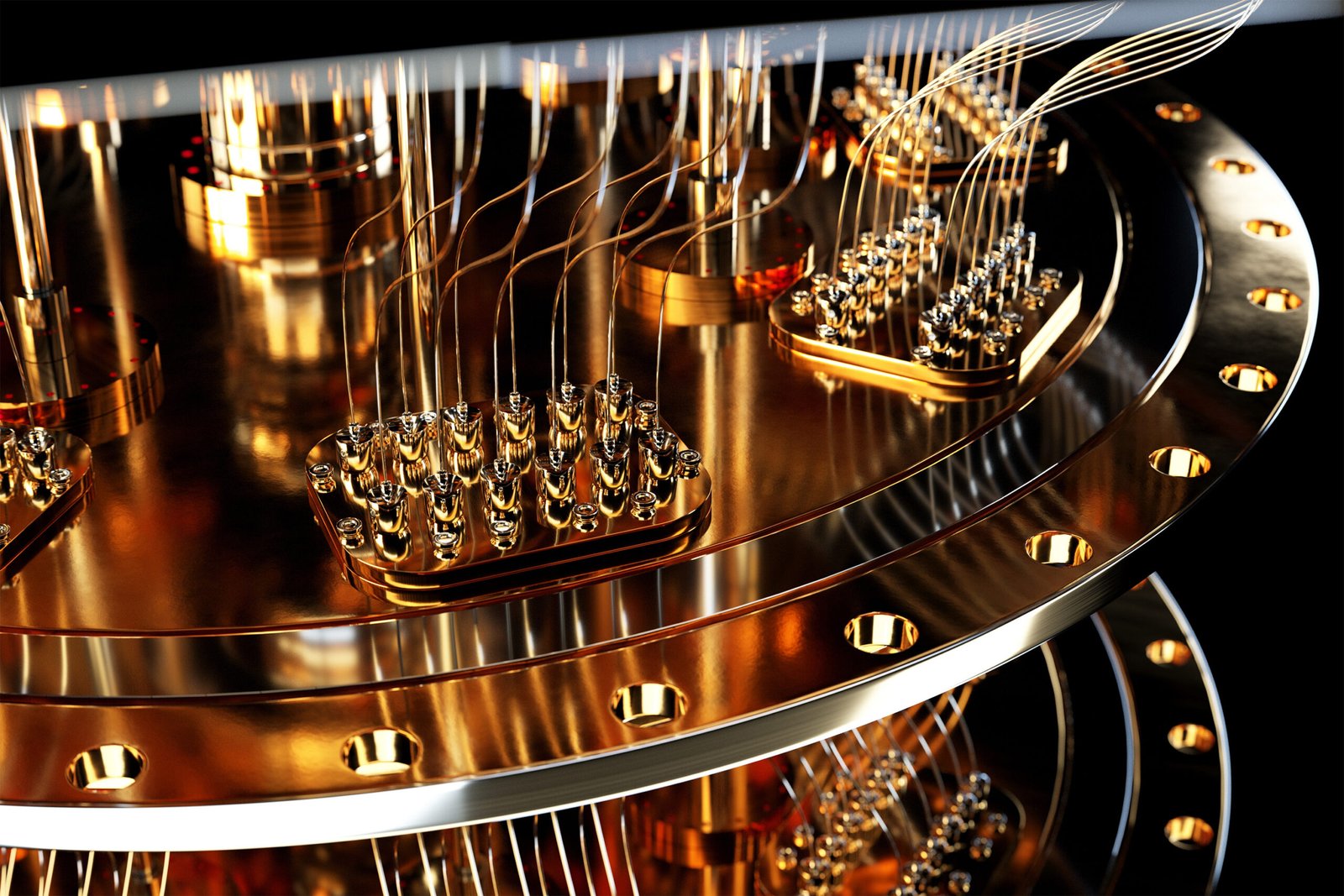
MIT researchers have advanced the development of quantum computers that could break cryptography methods like RSA, which is used to protect internet messages. Their new approach combines a faster quantum algorithm with a more efficient use of qubits, the tiny particles that store quantum information. This hybrid algorithm is more tolerant to noise—random errors that occur during calculations—making it more practical for real-world use. While large-scale quantum computers are still a future goal, this research moves us closer to machines capable of cracking encryption that today’s computers cannot.
Implications for Cybersecurity and Future Tech
Current encryption relies on the difficulty of factoring large numbers, a task that classical computers can’t do quickly. Quantum computers, however, could solve this problem with Shor’s algorithm, proposed in 1994. But building such powerful machines requires millions of qubits, far beyond today’s capabilities. The new MIT algorithm reduces the number of quantum gates needed and uses a clever method to handle large exponents efficiently. This progress doesn’t mean instant danger but signals the need to develop new cryptography resistant to quantum attacks. As technology evolves, so must security methods to stay ahead of potential threats and ensure safe digital communication.
Stay Ahead with the Latest Tech Trends
Dive deeper into the world of Cryptocurrency and its impact on global finance.
Stay inspired by the vast knowledge available on Wikipedia.
QuantumV1
