
Close Menu
    Facebook X (Twitter) Instagram
    Tuesday, October 6
    Top Stories:
    • Transforming RNA into DNA Barcodes for High-Throughput RNA Analysis
    • How a Single Chemical Change Triggered Life’s Origins
    • China’s Tech Giants Ration Employee Tokens to Gain Competitive Edge
    Facebook X (Twitter) Instagram Pinterest Vimeo
    IO Tribune
    • Home
    • AI
    • Tech
      • Gadgets
      • Fashion Tech
    • Crypto
    • Smart Cities
      • IOT
    • Science
      • Space
      • Quantum
    • OPED
    IO Tribune
    Home » Unlocking the Secrets of Uranus: Your Guide to Spotting the Elusive Planet!
    Space

    Unlocking the Secrets of Uranus: Your Guide to Spotting the Elusive Planet!

    Staff ReporterBy Staff ReporterJuly 4, 2026No Comments3 Mins Read
    Share Facebook Twitter Pinterest LinkedIn Tumblr Reddit Telegram Email
    Share
    Facebook Twitter LinkedIn Pinterest Email

    Summary Points

    1. Uranus, an ice giant, is challenging to observe compared to other planets.
    2. The author finally viewed Uranus through a large telescope at Bryce Canyon.
    3. A conjunction of Mars and Uranus occurs on July 4, 2026.
    4. Use Mars as a guide to locate Uranus in the sky.

    Strategies for Locating Uranus This Week

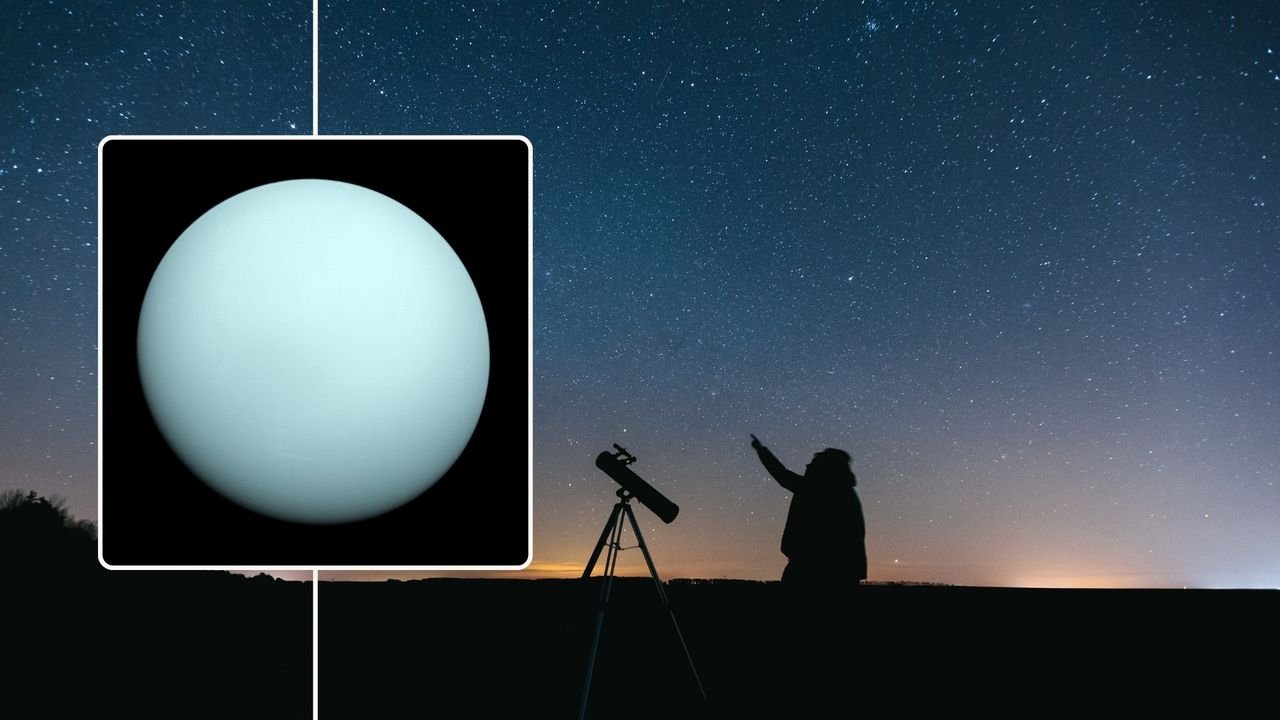
    Finding Uranus can feel like an uphill battle. This week, however, presents a unique opportunity to see the seventh planet. It will be in conjunction with Mars, acting as a reliable guidepost in the vast expanse of the night sky. Mars shines at a magnitude of 1.3, making it more visible than Uranus, which appears at a faint 5.7. The two planets will be approximately 11 arc minutes apart, making it easier to identify Uranus by looking just above Mars.

    The best time to observe this conjunction is about 3:45 a.m. local time on July 4. Don’t be confused by the early hour; the planets will be low on the eastern horizon, close to the Pleiades open cluster. The clear skies will be essential, so aim for a location free from light pollution. Bringing binoculars, preferably 10×50, can enhance your view. While Uranus may appear as a subtle blue-green dot, the thrill lies in discovering it with your own eyes.

    Using Mars as a reference point can simplify what has traditionally been a challenging search. Stargazers often face uncertainty, constantly questioning if they’re looking at a star or the distant planet. This conjunction removes that guesswork. Your reward will be the unique experience of directly observing a body that is nearly 1.8 billion miles away.

    The Significance of the July 4 Conjunction

    The choice of date—July 4—is historically interesting, aligning with the 250th anniversary of the United States. Uranus takes 84 years to orbit the sun, having completed about three orbits since the Declaration of Independence was signed. Its discovery in 1781 by William Herschel was a landmark event, expanding our knowledge of the solar system. When Uranus was found, only six planets were known, marking a significant shift in our understanding of celestial bodies.

    This week, Uranus is not just a distant ice giant; it symbolizes a connection to our astronomical heritage. As we observe it alongside Mars, we are reminded of the meticulous exploration that led to its identification. Future astronomy involves both established planets and the search for new ones. The quest continues for a ninth planet, showcasing the ever-expanding boundaries of our cosmic curiosity.

    As you prepare for observing this conjunction, remember that every sighting of Uranus is a milestone. The challenges of finding it only heighten the joy of discovery, making it a treasured memory for stargazers. Whether you are an experienced observer or a casual enthusiast, take the time to witness this celestial event. Armed with knowledge and the right tools, you can successfully spot Uranus this week.

    Discover More Technology Insights

    Stay informed on the revolutionary breakthroughs in Quantum Computing research.

    Access comprehensive resources on technology by visiting Wikipedia.

    Space

    Cosmos Mars NASA Research Space VT1
    Share. Facebook Twitter Pinterest LinkedIn Tumblr Email
    Previous ArticleBreaking Codes: The Quantum Computer Revolution
    Next Article Unleashing the Power of Qi: A New Era in Personal Fans
    Avatar photo
    Staff Reporter
    • Website

    John Marcelli is a staff writer for IO Tribune, with a passion for exploring and writing about the ever-evolving world of technology. From emerging trends to in-depth reviews of the latest gadgets, John stays at the forefront of innovation, delivering engaging content that informs and inspires readers. When he's not writing, he enjoys experimenting with new tech tools and diving into the digital landscape.

    Related Posts

    Science

    Transforming RNA into DNA Barcodes for High-Throughput RNA Analysis

    October 6, 2026
    AI

    EmTech 2026: AI’s Bold Future Unveiled

    October 5, 2026
    Space

    Revolutionizing Aviation Safety: Supercooled Droplet Testing Takes Flight

    October 5, 2026
    Add A Comment

    Comments are closed.

    Must Read

    Transforming RNA into DNA Barcodes for High-Throughput RNA Analysis

    October 6, 2026

    EmTech 2026: AI’s Bold Future Unveiled

    October 5, 2026

    Revolutionizing Aviation Safety: Supercooled Droplet Testing Takes Flight

    October 5, 2026

    Oura Ring 5 vs. Apple Watch Series 12: Which Wins?

    October 5, 2026

    Linking AI Agents with Enterprise Knowledge

    October 5, 2026
    Categories
    • AI
    • Crypto
    • Fashion Tech
    • Gadgets
    • IOT
    • OPED
    • Quantum
    • Science
    • Smart Cities
    • Space
    • Tech
    Most Popular

    Ozempic and Similar GLP-1 Drugs Reduce Heart Attack Risk

    May 21, 2026

    Unlock Your Inner Lunatic: Test Your Moon Knowledge!

    August 17, 2025

    Vitalik Buterin Ups ETH Sales as Prices Dip Below $2K

    February 6, 2026
    Our Picks

    Visionary Apple Pioneer Bill Atkinson Passes Away at 74

    June 8, 2025

    Revolutionary Drug Slashes Jet Lag Recovery Time!

    February 8, 2026

    Google Keep Drops Apple Watch Support!

    July 1, 2025
    Categories
    • AI
    • Crypto
    • Fashion Tech
    • Gadgets
    • IOT
    • OPED
    • Quantum
    • Science
    • Smart Cities
    • Space
    • Tech
    • Privacy Policy
    • Disclaimer
    • Terms and Conditions
    • About Us
    • Contact us
    Copyright © 2025 Iotribune.comAll Rights Reserved.

    Type above and press Enter to search. Press Esc to cancel.