

Fast Facts
- Waymo is planning to operate fully autonomous vehicles in San Diego, Las Vegas, Tampa, and Denver, removing the need for human supervision.
- Initially, these driverless rides will be exclusive to Waymo employees, with plans to open them to the public soon.
- The company is expanding its autonomous services to over 10 U.S. cities and has begun testing internationally in London.
- Recent developments include the end of Uber-Waymo collaboration in Phoenix, with rides now bookable only through Waymo’s own app.
Waymo Expands Fully Autonomous Rides to More Cities
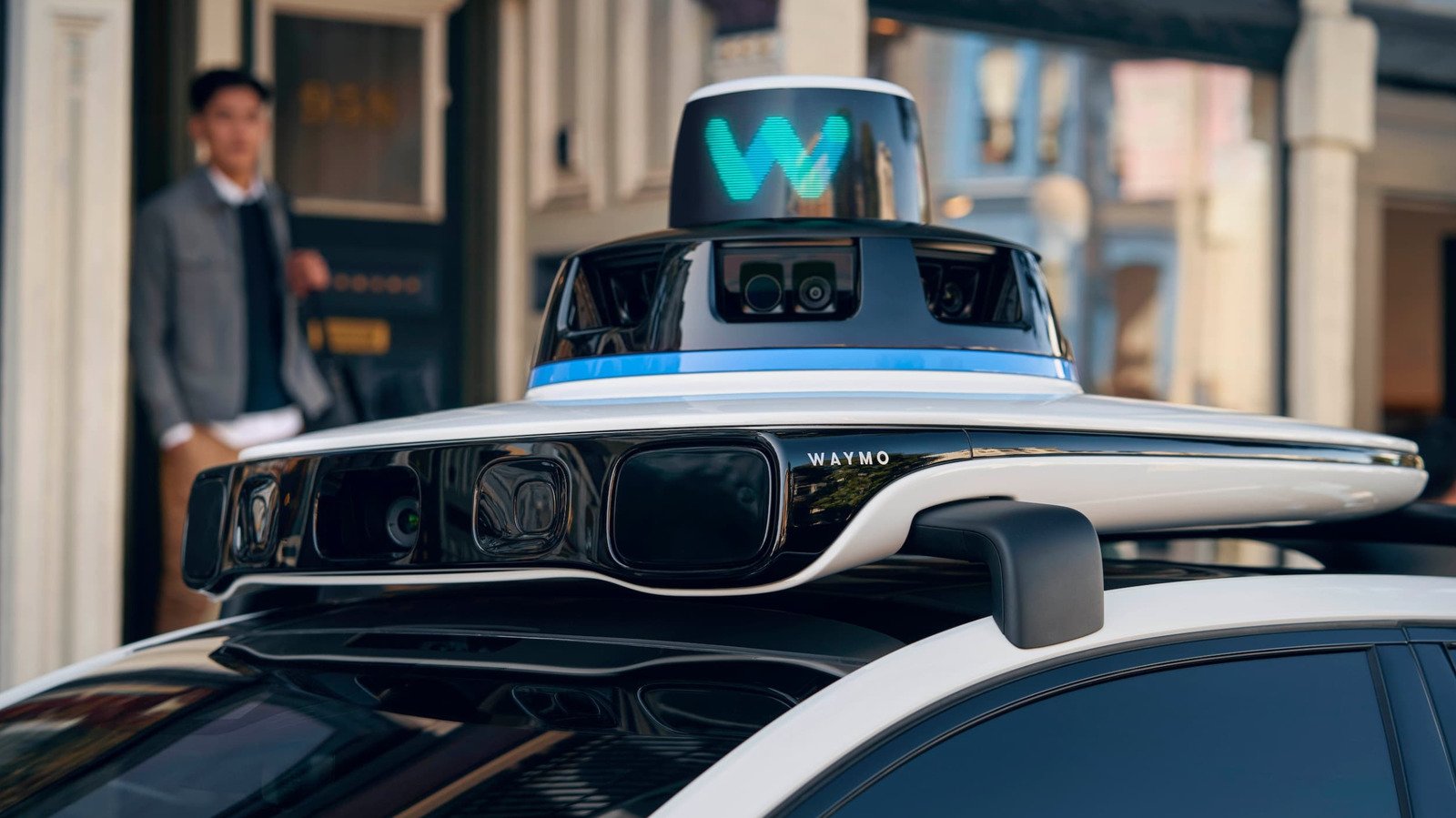
Waymo is taking a big step forward in self-driving technology. The company plans to operate driverless cars without human supervisors in four new cities: San Diego, Las Vegas, Tampa, and Denver. These vehicles will run completely on their own, with no one behind the wheel. This marks a significant milestone for the company’s goal to make autonomous rides more common. Initially, only Waymo employees will use these driverless rides. But soon, the public can expect to join in. This expansion aims to give more people a safe, reliable way to get around without a driver.
Adding these cities means Waymo will serve over 10 places in the United States with fully autonomous vehicles. The company has already tested driverless rides in cities like Dallas, Houston, Orlando, and San Antonio. Now, it is pushing further to bring this innovative technology to more communities. The move not only shows confidence in the technology but also highlights its potential to revolutionize transportation. People in these cities will get a glimpse of what future travel could look like—where cars drive themselves efficiently and safely.
With this growth, Waymo is also exploring new markets internationally. It recently started testing in London. Though some residents expressed concern about noise and privacy, the company remains committed to improving and adapting its services. These efforts reflect a larger trend: autonomous vehicles becoming more embedded in everyday life, transforming how we think about getting from place to place.
Enhancements, Features, and Balancing Risks
Waymo’s move to expand driverless rides offers many benefits. First, it can reduce accidents caused by human errors like distracted or impaired driving. The vehicles are designed with advanced sensors and AI that react faster than humans. This could lead to safer roads over time. Additionally, driverless taxis can operate around the clock, giving people more chances to travel anytime they need.
However, some challenges remain. Critics worry about safety, especially in complex scenarios like busy city streets or bad weather. There’s also concern about job impacts, as fewer drivers may be needed in traditional transportation roles. While these vehicles promise costs that could make rides cheaper, the transition requires careful oversight to avoid setbacks. Overall, the improvements in technology are promising, but balancing innovation with safety measures is essential.
On the positive side, autonomous vehicles can increase mobility for people who are unable to drive, such as seniors or those with disabilities. They also hold the potential to reduce traffic congestion by optimizing routes and traffic flow. As Waymo pushes into new cities and regions, it will continue to refine the features that make these rides safer and more user-friendly. The future of driverless cars holds great promise, yet it needs cautious implementation to maximize benefits and minimize risks.
Relatable Insights and Looking Ahead
For everyday users, the idea of hopping into a driverless taxi might seem futuristic but is becoming more real each day. Think about those busy mornings when parking is hard or roads are crowded—autonomous vehicles could ease these struggles. They might even change how we plan our daily commutes. But, it’s reassuring to remember that safety remains a priority. During the initial phases, human supervisors will still oversee operations in some areas, offering an extra layer of security.
Meanwhile, the collaboration and competition in this space encourage faster improvements. While Waymo advances its tech, other companies work on similar solutions. For consumers, this means more choices and better services in the future. The progress in fully autonomous rides not only makes transportation more accessible but also pushes innovation that could benefit many sectors. People will watch closely to see how these driverless systems perform in real-world conditions—and how they make our journeys easier, safer, and more sustainable.
As autonomous vehicles become more common, they will undoubtedly reshape our cities and daily lives. They hold the potential to make travel safer, more efficient, and inclusive. It’s an exciting time for technology enthusiasts and everyday commuters alike. The road ahead looks promising, with improvements right around the corner.
Continue Your Tech Journey
Dive deeper into the world of Cryptocurrency and its impact on global finance.
Discover archived knowledge and digital history on the Internet Archive.
CellphonesV1
