

Summary Points
- Dario Amodei urges US to tighten chip export bans to limit China.
- Bans aim to prevent Chinese military use and domestic surveillance AI.
- Chinese “distillation” practices may narrow US-China AI capability gap quickly.
- Anthropic opposes banning open-weight models, unlike other restrictions considered.
Why Tighter Export Controls Matter in the AI Race
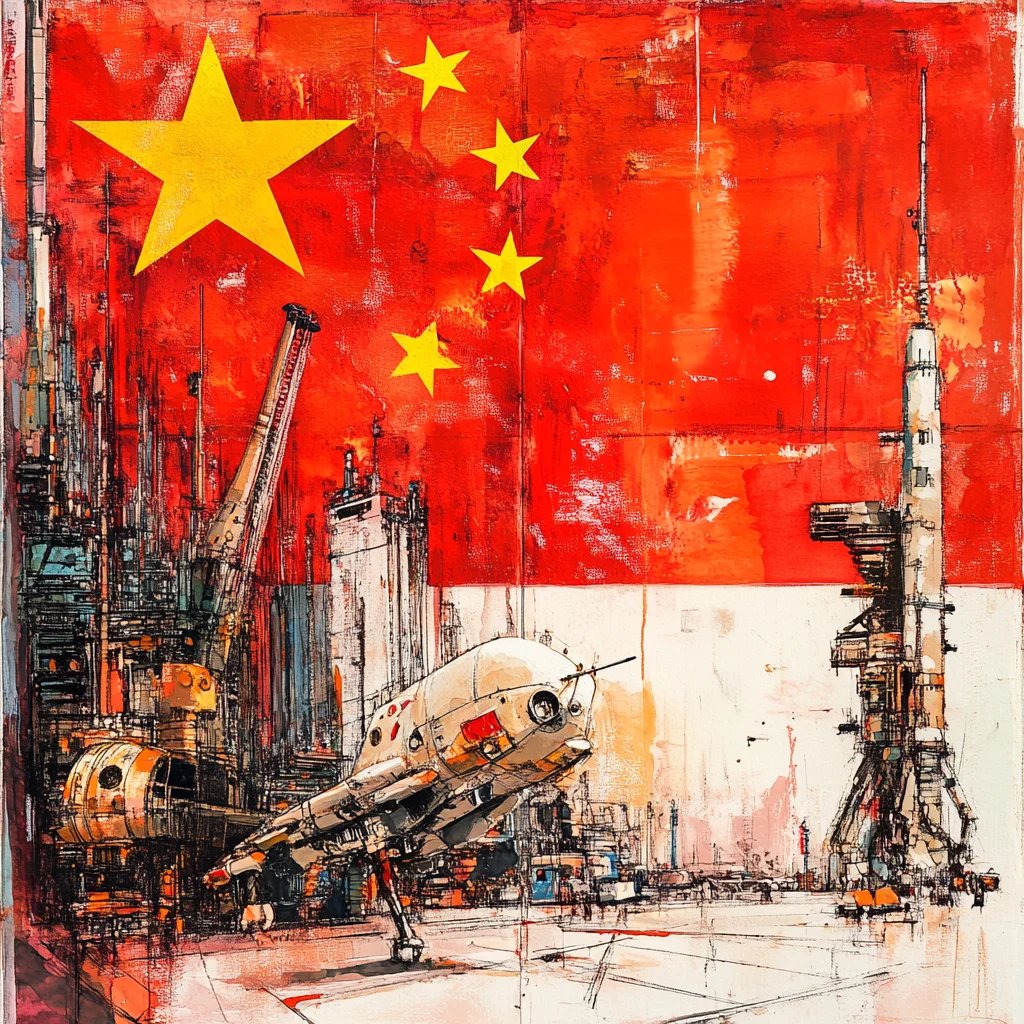
The push for stricter chip export bans highlights the ongoing competition between the U.S. and China in artificial intelligence. The CEO of Anthropic emphasizes that restricting exports of advanced chips is crucial. These chips enable the development of powerful AI models, which have both civilian and military uses. Without these tools, China’s ability to build frontier AI systems for surveillance or military purposes diminishes. The concern is that current sanctions have loopholes. Smuggling and workarounds allow some Chinese developers to access high-performance hardware, undermining the sanctions’ effectiveness. Therefore, tightening controls could help preserve the U.S.’s competitive edge in AI technology.
New restrictions are not only about export bans. Industry experts also speak about the practice called “distillation.” Chinese developers reportedly use this method to refine U.S. AI models, bypassing hardware limits. This process involves using outputs from larger, more capable models to train smaller ones. As a result, it can reduce the gap between Chinese and American AI capabilities. If this trend continues, the U.S. could fall behind in AI advances within a few months. Limiting distillation becomes a key part of maintaining technological leadership.
Balancing Security and Innovation in the Global AI Landscape
The debate on export restrictions raises questions about balancing safety and innovation. Experts agree that controlling high-end chips is essential for national security. It prevents other nations from developing military AI or mass surveillance systems that threaten privacy and security. At the same time, some worry that overly strict bans could slow down beneficial AI innovations. AI technology has the potential to contribute significantly to medicine, education, and other human endeavors. The goal remains to protect security without stifling progress.
Importantly, industry voices clarify that they do not oppose the development and use of open-weight models. These models are more accessible and promote widespread AI adoption. They can help small companies and researchers innovate without the need for expensive hardware. The challenge is to strike a balance: keep the most advanced chips for critical security applications, while encouraging open AI research. Achieving this balance could ensure global progress and safeguard the long-term benefits of AI for all humanity.
Continue Your Tech Journey
Learn how the Internet of Things (IoT) is transforming everyday life.
Explore past and present digital transformations on the Internet Archive.
TechV1
