
Close Menu
    Facebook X (Twitter) Instagram
    Tuesday, October 27
    Top Stories:
    • Wang Jian: Why Space Is AI’s Next Frontier
    • How Exercise Rewires Your Heart
    • AI Automation: Managing Digital Workers
    Facebook X (Twitter) Instagram Pinterest Vimeo
    IO Tribune
    • Home
    • AI
    • Tech
      • Gadgets
      • Fashion Tech
    • Crypto
    • Smart Cities
      • IOT
    • Science
      • Space
      • Quantum
    • OPED
    IO Tribune
    Home » Clouds of Comfort: Smoother Air Taxi Journeys Ahead!
    Space

    Clouds of Comfort: Smoother Air Taxi Journeys Ahead!

    Staff ReporterBy Staff ReporterJuly 19, 2026No Comments2 Mins Read
    Share Facebook Twitter Pinterest LinkedIn Tumblr Reddit Telegram Email
    Share
    Facebook Twitter LinkedIn Pinterest Email

    Top Highlights

    1. NASA studies air taxi comfort using virtual reality motion simulators.
    2. Research identifies how aircraft motion affects passenger comfort and confidence.
    3. Large, sudden movements can significantly impact passengers’ willingness to fly.
    4. Findings will guide air taxi design for improved passenger experiences.

    The Quest for Comfort in Air Taxis

    No one wants an uncomfortable aircraft experience. The emerging air taxi industry — consisting of small, vertical-takeoff-and-landing (VTOL) aircraft — relies on passenger comfort to gain acceptance. To address this need, NASA has conducted extensive research to understand how aircraft motion affects the willingness to fly.

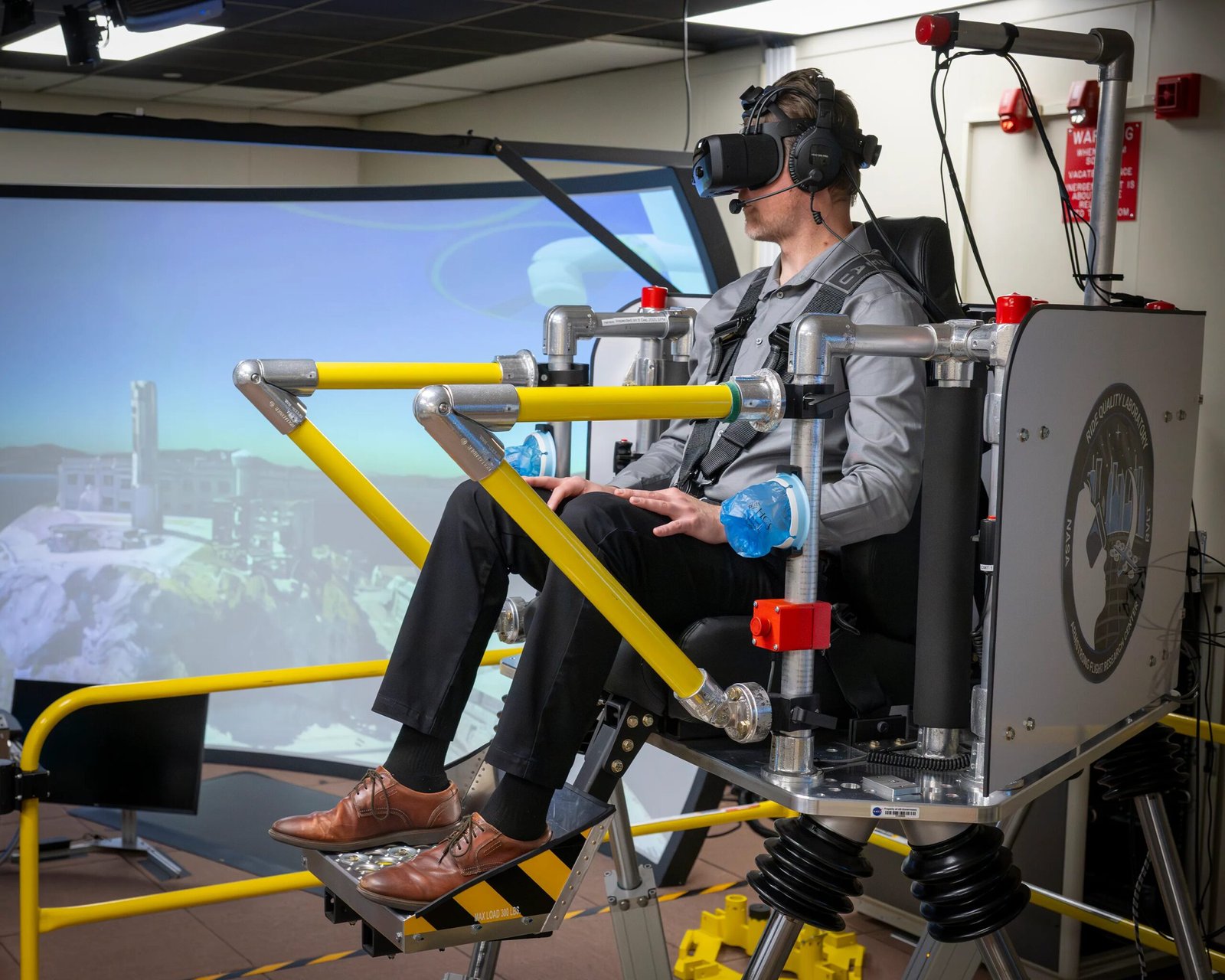
    NASA’s approach involves gathering real data from its employees. In a groundbreaking study at the Armstrong Flight Research Center in Edwards, California, volunteers experienced virtual reality flight simulations. These simulated flights mimicked sudden shifts and tilts that future air taxis could encounter. This method allows researchers to capture genuine passenger reactions in a controlled environment.

    The insights gleaned are vital. Researchers found that large, sudden movements, such as those caused by turbulence or abrupt descents, significantly affect passenger comfort levels. By analyzing these reactions, NASA has developed models that link motion dynamics to the overall flight experience. These models inform future designs and operational protocols, ensuring that air taxi manufacturers understand which maneuvers might deter passengers.

    Shaping the Future of Air Travel

    NASA’s study drew attention to important comfort thresholds. Many passengers reported discomfort even with moderate changes in flight motion. Each participant rated their experience on a five-point scale, providing crucial feedback about what they found tolerable.

    Interestingly, these findings indicate that today’s travelers might be less accepting of rough motion compared to airline passengers from decades ago. Historical comparisons with earlier NASA ride-quality studies suggest that comfort expectations have increased significantly over time.

    This research forms the backbone of NASA’s broader initiative under the Subsonic Vehicle Technologies and Tools project. As part of its advanced air mobility research, NASA is paving the way for future air taxis to offer not only efficient transportation but also an enjoyable flying experience. With comfort at the forefront of air taxi design, this work has the potential to reshape urban mobility, enhancing both public confidence and market viability.

    Continue Your Tech Journey

    Explore the future of technology with our detailed insights on Artificial Intelligence.

    Access comprehensive resources on technology by visiting Wikipedia.

    Space

    Aeronautics Armstrong Flight Research Center Cosmos Drones & You Flight Innovation NASA Space VT1
    Share. Facebook Twitter Pinterest LinkedIn Tumblr Email
    Previous ArticleAnalog AI Returns—Can It Overcome Its Clamor?
    Next Article 5 Game-Changing Ways to Use Secure Folder
    Avatar photo
    Staff Reporter
    • Website

    John Marcelli is a staff writer for IO Tribune, with a passion for exploring and writing about the ever-evolving world of technology. From emerging trends to in-depth reviews of the latest gadgets, John stays at the forefront of innovation, delivering engaging content that informs and inspires readers. When he's not writing, he enjoys experimenting with new tech tools and diving into the digital landscape.

    Related Posts

    IOT

    Does Your SIM Work Across Borders?

    October 27, 2026
    AI

    AI Agents Aim to Become Real-Life Journalists

    October 27, 2026
    Science

    Mysterious Particles Reveal Clues to Ancient Global Cooling

    October 27, 2026
    Add A Comment

    Comments are closed.

    Must Read

    Does Your SIM Work Across Borders?

    October 27, 2026

    AI Agents Aim to Become Real-Life Journalists

    October 27, 2026

    Mysterious Particles Reveal Clues to Ancient Global Cooling

    October 27, 2026

    Why Anthropic’s IPO Prospectus Omits Key Figures

    October 27, 2026

    Anifa Mvuemba: Redefining Luxury Fashion

    October 27, 2026
    Categories
    • AI
    • Crypto
    • Fashion Tech
    • Gadgets
    • IOT
    • OPED
    • Quantum
    • Science
    • Smart Cities
    • Space
    • Tech
    Most Popular

    Mars Rover May Get Moved to the Moon

    August 7, 2026

    Flames and Fortitude: France’s Ongoing Battle with Wildfires

    July 27, 2026

    Unleash the Future: Experience the BMW iX3 Prototype!

    June 11, 2025
    Our Picks

    Unlocking Smarter Electronics: Voltage-Driven Ionic Control

    August 9, 2025

    Prepping for the Stars: Orion’s Countdown Begins!

    December 9, 2025

    Top Wireless Headphones Dominating 2026

    July 27, 2026
    Categories
    • AI
    • Crypto
    • Fashion Tech
    • Gadgets
    • IOT
    • OPED
    • Quantum
    • Science
    • Smart Cities
    • Space
    • Tech
    • Privacy Policy
    • Disclaimer
    • Terms and Conditions
    • About Us
    • Contact us
    Copyright © 2025 Iotribune.comAll Rights Reserved.

    Type above and press Enter to search. Press Esc to cancel.