

Top Highlights
- NASA studies air taxi comfort using virtual reality motion simulators.
- Research identifies how aircraft motion affects passenger comfort and confidence.
- Large, sudden movements can significantly impact passengers’ willingness to fly.
- Findings will guide air taxi design for improved passenger experiences.
The Quest for Comfort in Air Taxis
No one wants an uncomfortable aircraft experience. The emerging air taxi industry — consisting of small, vertical-takeoff-and-landing (VTOL) aircraft — relies on passenger comfort to gain acceptance. To address this need, NASA has conducted extensive research to understand how aircraft motion affects the willingness to fly.
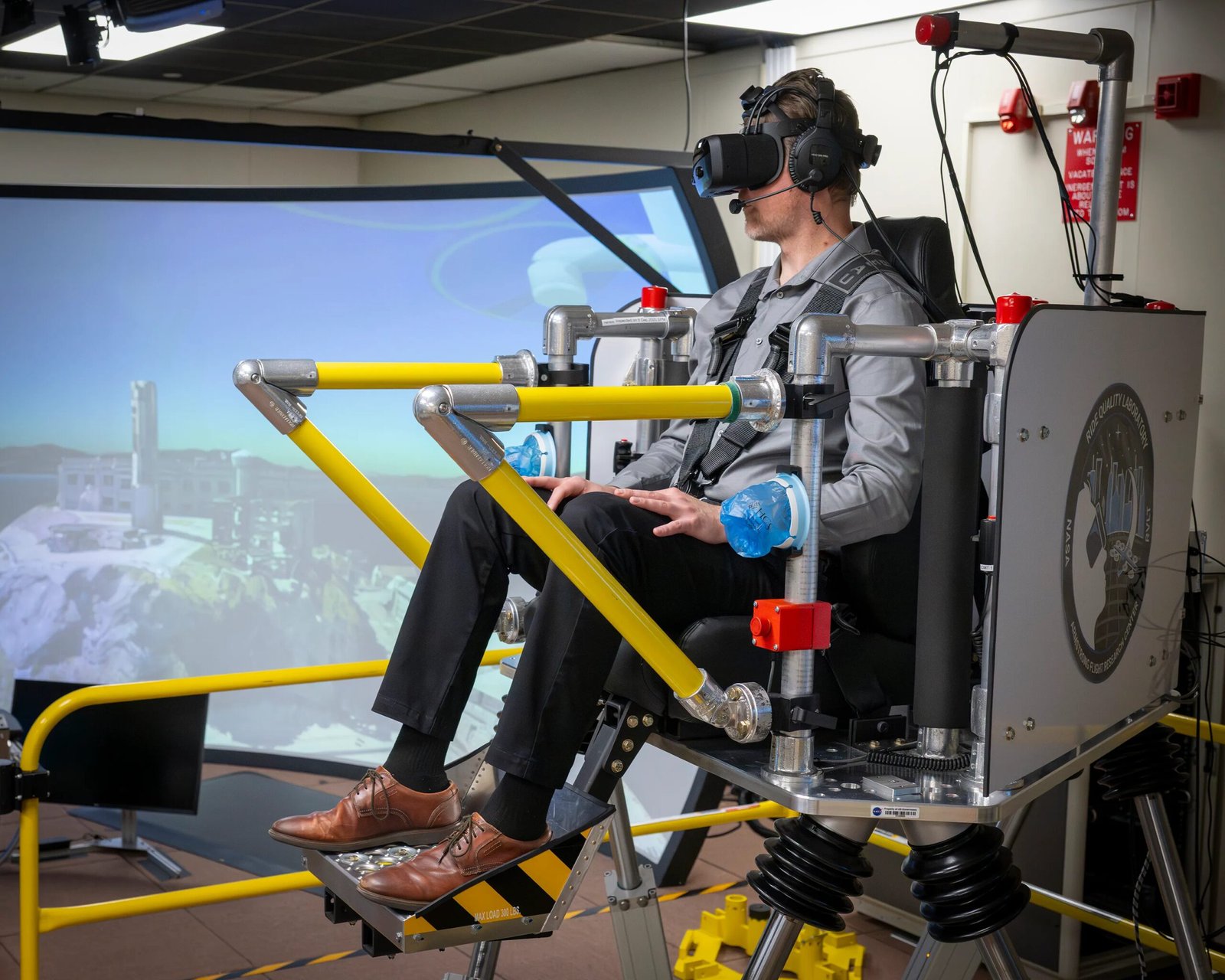
NASA’s approach involves gathering real data from its employees. In a groundbreaking study at the Armstrong Flight Research Center in Edwards, California, volunteers experienced virtual reality flight simulations. These simulated flights mimicked sudden shifts and tilts that future air taxis could encounter. This method allows researchers to capture genuine passenger reactions in a controlled environment.
The insights gleaned are vital. Researchers found that large, sudden movements, such as those caused by turbulence or abrupt descents, significantly affect passenger comfort levels. By analyzing these reactions, NASA has developed models that link motion dynamics to the overall flight experience. These models inform future designs and operational protocols, ensuring that air taxi manufacturers understand which maneuvers might deter passengers.
Shaping the Future of Air Travel
NASA’s study drew attention to important comfort thresholds. Many passengers reported discomfort even with moderate changes in flight motion. Each participant rated their experience on a five-point scale, providing crucial feedback about what they found tolerable.
Interestingly, these findings indicate that today’s travelers might be less accepting of rough motion compared to airline passengers from decades ago. Historical comparisons with earlier NASA ride-quality studies suggest that comfort expectations have increased significantly over time.
This research forms the backbone of NASA’s broader initiative under the Subsonic Vehicle Technologies and Tools project. As part of its advanced air mobility research, NASA is paving the way for future air taxis to offer not only efficient transportation but also an enjoyable flying experience. With comfort at the forefront of air taxi design, this work has the potential to reshape urban mobility, enhancing both public confidence and market viability.
Continue Your Tech Journey
Explore the future of technology with our detailed insights on Artificial Intelligence.
Access comprehensive resources on technology by visiting Wikipedia.
Space
