

Summary Points
- Media invited to NASA’s Langley for new wind tunnel ribbon-cutting ceremony.
- Event features NASA Administrator Jared Isaacman and other key officials.
- In-person attendance requires RSVP by July 29; media must be U.S. citizens.
- New facility will enhance NASA’s aeronautics and exploration research capabilities.
NASA’s New Flight Dynamics Research Facility: A Leap Forward
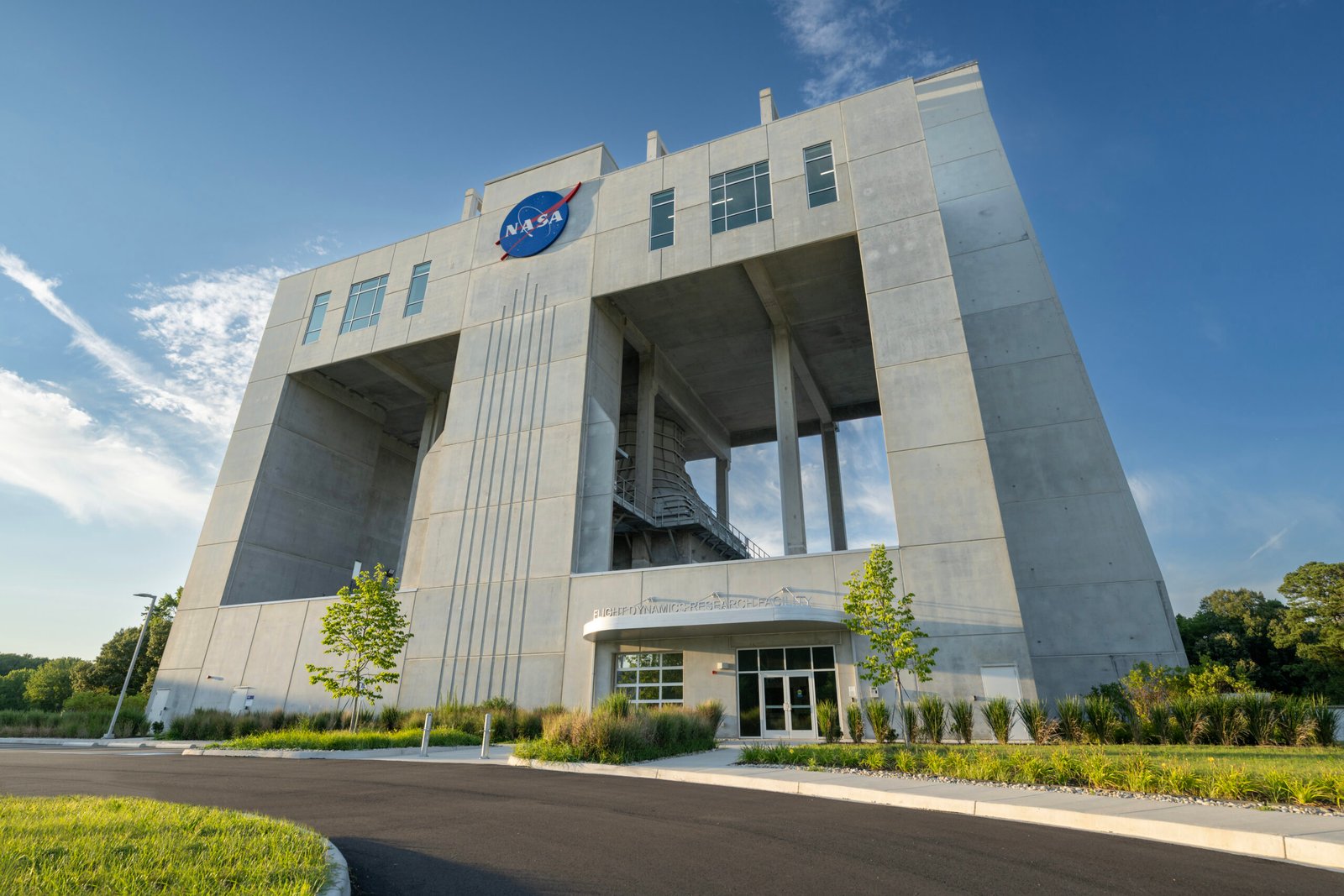
NASA is taking a significant step forward in aeronautics and space research with the upcoming launch of the Flight Dynamics Research Facility. This facility, located at NASA’s Langley Research Center in Hampton, Virginia, is the agency’s first new wind tunnel in over four decades. On July 31, members of the media are invited to attend a ribbon-cutting ceremony and tour to mark this milestone.
The new wind tunnel is a crucial asset for NASA as it expands its research capabilities. Designed to support advanced studies in aeronautics and exploration, the facility will play a role in several of NASA’s initiatives. Notably, it will assist in the Artemis program, which aims to establish a sustained human presence on the Moon. The lander designs, ascent vehicles, and other spacecraft will benefit from the state-of-the-art technology housed in this facility.
The event will feature remarks from key figures, including NASA Administrator Jared Isaacman, Dr. Trina Dyal, center director at NASA Langley, and Administrator Edward C. Forst from the U.S. General Services Administration. Media members wishing to attend must RSVP by 5 p.m. EDT on July 29, adhering to NASA’s media accreditation policy.
Advancing Research and Development
The Flight Dynamics Research Facility signifies a vital evolution in NASA’s aeronautics research capabilities. Its cutting-edge technology is designed to facilitate comprehensive aerodynamics testing and simulations. This capability will enable engineers and researchers to analyze aircraft performance more effectively, enhancing safety and efficiency in air travel.
The facility also aligns with broader goals of technological adoption in aerospace. As climate change becomes a critical issue, understanding and refining aerodynamics is paramount. Improved designs can lead to more fuel-efficient aircraft and reduced emissions, addressing environmental concerns. The advancements made possible through the new wind tunnel will likely contribute to innovations that benefit both civilian and military aviation.
Moreover, this facility supports international collaboration, fostering partnerships that could lead to shared technological advancements. While the challenges of technology adoption in aerospace are notable, this facility is poised to address them head-on, paving the way for future innovations.
The Flight Dynamics Research Facility is more than just a new building; it represents a commitment to progress in aeronautics and space exploration. The research conducted here will not only support NASA’s immediate goals but also help shape the future of air and space travel. For those interested in the specifics of the facility, more information is available on NASA’s website.
Stay Ahead with the Latest Tech Trends
Explore the future of technology with our detailed insights on Artificial Intelligence.
Explore past and present digital transformations on the Internet Archive.
Space
