

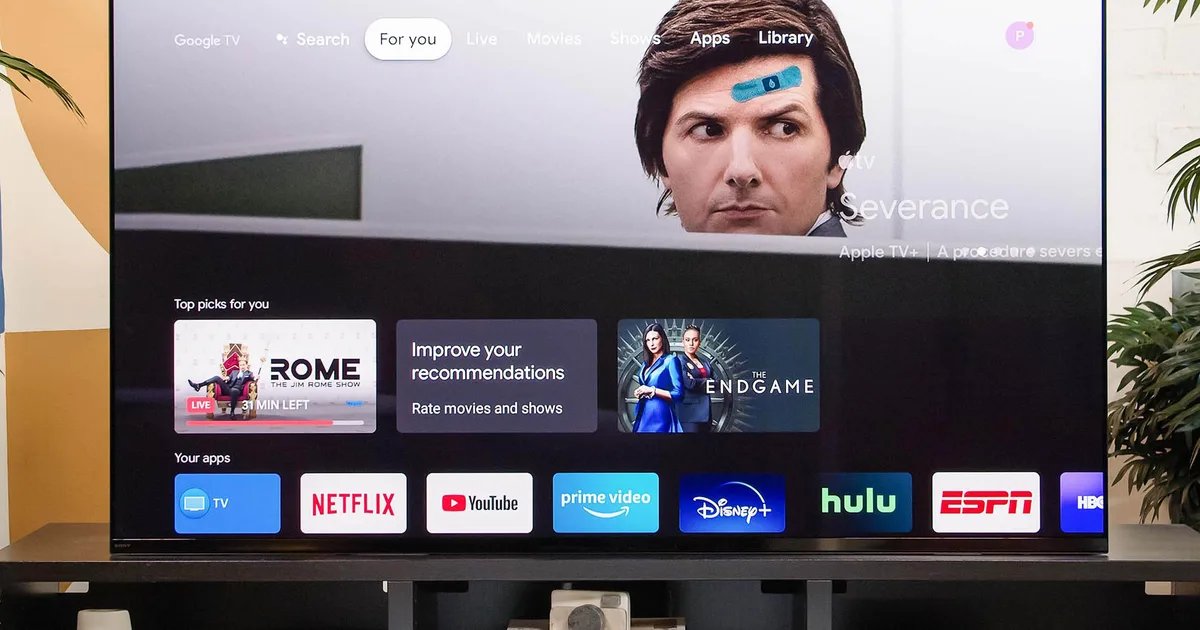
Quick Takeaways
- Smart TVs secretly track viewing habits, even without using smart features.
- Automatic Content Recognition (ACR) identifies content shown on the screen.
- Privacy controls are often buried, making it hard to opt out.
- For better privacy, keep TVs offline and use external media devices.
Understanding ACR and Its Implications
Smart TVs may seem like a simple way to enjoy your favorite shows and movies. However, they do much more than display content. These devices often track your viewing habits without you even realizing it. A technology called Automatic Content Recognition (ACR) enables this intrusive tracking.
ACR identifies almost everything displayed on your screen, from streaming movies to live TV content. It runs at the chipset level and typically remains active by default. It can even monitor what you watch through external devices connected by HDMI. This system creates a digital fingerprint of the content and matches it against large databases. The result? Manufacturers, advertisers, and data brokers build detailed profiles based on your viewing habits. The consequences of this tracking are far-reaching.
Many consumers unknowingly accept a level of surveillance that feels overwhelming. In an age where privacy concerns mount, it becomes critical to understand the implications of using smart TVs. The very convenience they offer often comes with strings attached—strings that entwine your privacy.
Escaping the Surveillance Trap
The grim reality is that escaping this surveillance is no easy task. Most smart TVs come with privacy controls buried deep within complex settings. You might find these features labeled with cryptic names, making it difficult to know when you’ve turned off tracking. Some might argue that disabling ACR and similar features can help, but this varies greatly between brands. Additionally, it might not stop all forms of data collection.
For those who prioritize privacy, brave strategies exist. Keeping your TV offline is one approach, but many people find that impractical. Instead, using a media box or home server can help regain control over your viewing experience. Tools like Pi-hole can block telemetry and ad domains while still allowing internet access. These methods require some technical know-how but offer an avenue to bypass unwanted tracking.
However, the balance between convenience and privacy remains delicate. If you enjoy built-in apps, you must accept a degree of surveillance. On the other hand, treating your smart TV like a standard display could minimize exposure to invasive tracking. As technology evolves, consumers must remain vigilant and proactive about protecting their digital privacy.
Continue Your Tech Journey
Explore the future of technology with our detailed insights on Artificial Intelligence.
Stay inspired by the vast knowledge available on Wikipedia.
TechV1
