

Summary Points
- Kreios Space plans to launch the first satellite using air-breathing propulsion in orbit.
- ABEP technology heats, ionizes, and expels atmospheric air for satellite thrust.
- This enables satellites in very low Earth orbit to stay longer without traditional fuel.
- VLEO offers clearer imagery, less congestion, and new possibilities for satellite operations.
Revolutionizing Satellite Propulsion with Air-Breathing Technology
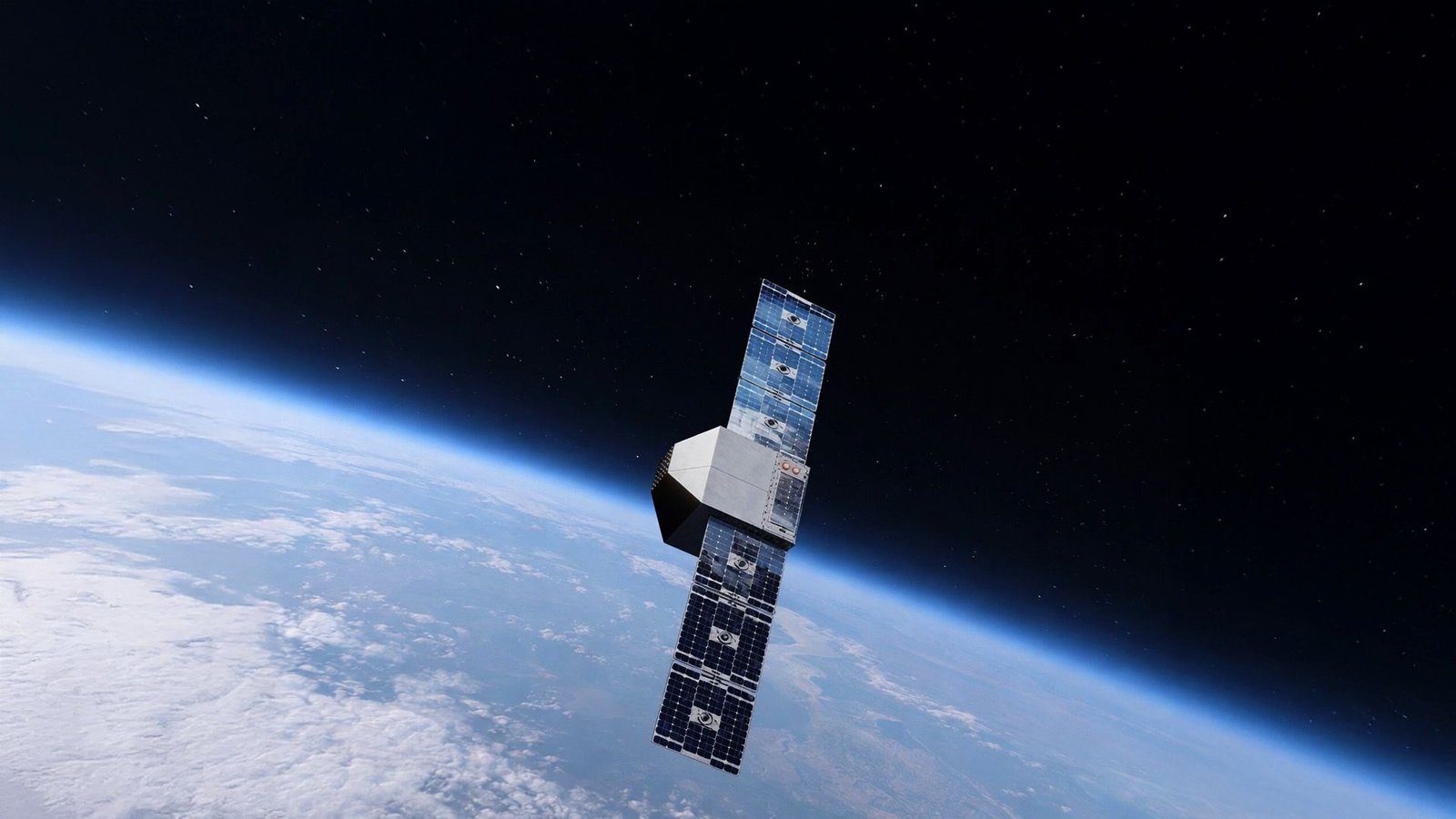
A pioneering development in space technology is set to challenge how satellites move in Earth’s orbit. Kreios Space, a Spanish company, plans to launch the world’s first satellite using an air-breathing electric propulsion system. The innovative system, called ABEP, is designed to use the thin atmosphere in very low Earth orbit (VLEO) to generate thrust. Unlike traditional rockets, which carry fuel onboard, this satellite will scoop up air from Earth’s atmosphere, heat it, and then ionize and expel it to push forward.
This approach could drastically change space operations. The technology allows satellites to operate closer to Earth, where atmospheric drag is a significant challenge. By using air-based propulsion, satellites could stay in VLEO longer without consuming large amounts of fuel. This could lead to better images of Earth, more reliable communications, and more environmentally friendly space activities. Kreios Space aims to demonstrate the technology’s viability and efficiency with this upcoming test mission. They have partnered with Kongsberg NanoAvionics, a Lithuanian company, to develop the satellite bus that will carry the ABEP system into orbit.
No official launch date has been announced, but the company hints at 2027 as a possible target. If successful, this mission could open the door for a new era of satellite design — one where using Earth’s own atmosphere becomes a practical way to move and operate in space.
The Significance and Challenges of Very Low Earth Orbit (VLEO)
VLEO refers to regions from about 60 miles to 250 miles above Earth’s surface. Satellites in this zone experience stronger atmospheric drag than those in higher low Earth orbit (LEO). Normally, satellites in LEO only need small boosts to correct their paths, since there’s less air resistance. They usually carry fuel to provide these occasional corrections.
However, in VLEO, the atmosphere is thick enough to affect satellites constantly. This makes traditional propulsion less effective because the onboard fuel runs out faster. Continuous propulsion would be needed just to maintain position, which is difficult with limited fuel supplies. An air-breathing system that uses the surrounding air could be a game-changer. It would eliminate the need for large onboard fuel tanks and reduce costs and weight.
Satellites in VLEO have benefits as well. They can produce sharper images due to their proximity to Earth’s surface, making them ideal for detailed observation and imaging. They also face less congestion compared to higher altitudes where thousands of satellites orbit, mainly for internet and communication services. If ABEP technology proves successful, it could facilitate more sustainable, efficient operations close to Earth.
This new propulsion method still needs rigorous testing. Technical, practical, and safety questions remain about reliability, longevity, and how well the system can operate in different atmospheric conditions. The coming years will be critical for understanding whether air-breathing satellites can become a reliable feature in space technology, opening a new chapter for exploration and communications around our planet.
Continue Your Tech Journey
Dive deeper into the world of Cryptocurrency and its impact on global finance.
Discover archived knowledge and digital history on the Internet Archive.
Space
