
Close Menu
    Facebook X (Twitter) Instagram
    Saturday, October 31
    Top Stories:
    • Startup Unveils EUV Lithography Prototype Amid China’s Chip Push
    • mRNA-LNP Vaccine Protects Dairy Cows From H5N1
    • Tencent Launches WorkBuddy AI Agent in Southeast Asia Amid Competition
    Facebook X (Twitter) Instagram Pinterest Vimeo
    IO Tribune
    • Home
    • AI
    • Tech
      • Gadgets
      • Fashion Tech
    • Crypto
    • Smart Cities
      • IOT
    • Science
      • Space
      • Quantum
    • OPED
    IO Tribune
    Home » Fiery Skies: Nature’s Alarm
    Space

    Fiery Skies: Nature’s Alarm

    Staff ReporterBy Staff ReporterJuly 30, 2026No Comments2 Mins Read
    Share Facebook Twitter Pinterest LinkedIn Tumblr Reddit Telegram Email
    Share
    Facebook Twitter LinkedIn Pinterest Email

    Top Highlights

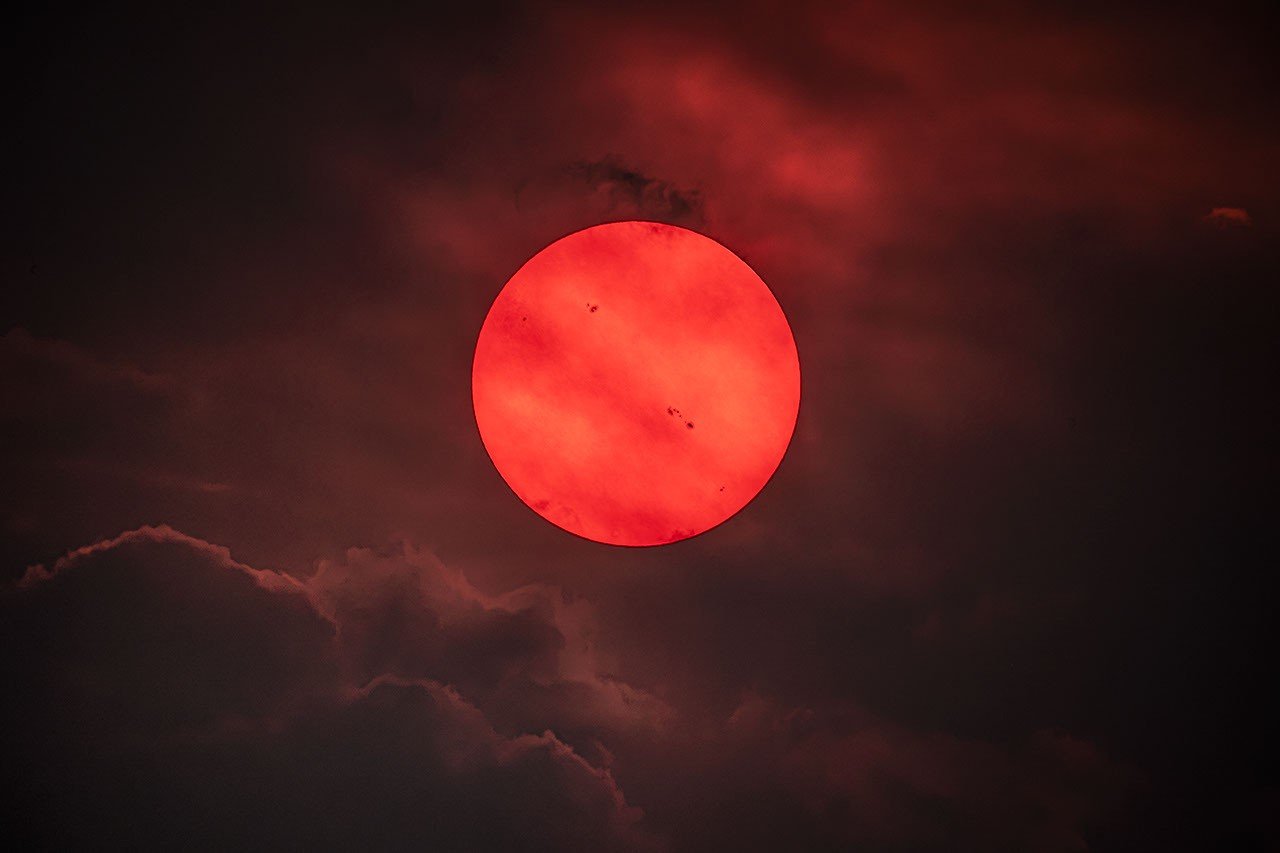
    1. An eerie photo of the Sun was taken through wildfire smoke.
    2. The image shows sunspots, including a giant active region, AR 4493.
    3. Smoke from wildfires filtered sunlight, making it appear dimmer and redder.
    4. Sunsets and sunrises became more colorful due to the smoke particles.

    Unveiling the July 30 APOD Image

    The Astronomy Picture of the Day (APOD) for July 30 features a striking image of the Sun, seemingly transformed into a red sphere. Captured on July 22, 2026, in British Columbia’s Okanagan region, the photograph reveals the impact of wildfire smoke from the Pacific Northwest. This smoke acted as a natural solar filter, allowing photographers to take a direct image of the Sun without damaging their vision—a method that remains risky.

    The Sun appears redder and dimmer due to particles in the smoke. These particles scatter shorter wavelengths of light, while allowing longer wavelengths, like red, to prevail. This effect not only alters the Sun’s appearance but also enriches the colors of sunrises and sunsets. Among the features seen in the image are sunspots, including AR 4493, a prominent and dynamic active solar region. Observing such phenomena provides valuable insights into solar activity and its potential effects on Earth.

    Nature’s Warning and Solar Evolution

    Wildfire smoke serves as a reminder of environmental challenges, notably during hotter and drier summers. While the image captures a unique aesthetic, it also highlights serious issues related to climate change and wildfires. As conditions worsen, more of these eerie visuals may become commonplace.

    Looking to the future, the transformation of our Sun is far more gradual. Approximately 6 billion years from now, it is predicted to enter its red giant phase, expanding and causing dramatic changes in the solar system. The image serves as a visual link to such cosmic evolutions while reminding us to approach our star with caution—never staring directly at the Sun is paramount for eye safety. The intriguing blend of natural phenomena and stellar evolution invites ongoing exploration and understanding of both our immediate environment and the vast universe that lies beyond.

    Stay Ahead with the Latest Tech Trends

    Dive deeper into the world of Cryptocurrency and its impact on global finance.

    Discover archived knowledge and digital history on the Internet Archive.

    Space

    APOD Cosmos Environment NASA Space VT1
    Share. Facebook Twitter Pinterest LinkedIn Tumblr Email
    Previous ArticleMeasuring the True Cost of a Local LLM
    Next Article Understanding the Drain of Information Overload
    Avatar photo
    Staff Reporter
    • Website

    John Marcelli is a staff writer for IO Tribune, with a passion for exploring and writing about the ever-evolving world of technology. From emerging trends to in-depth reviews of the latest gadgets, John stays at the forefront of innovation, delivering engaging content that informs and inspires readers. When he's not writing, he enjoys experimenting with new tech tools and diving into the digital landscape.

    Related Posts

    AI

    Is the #1 AI Model Really the Best?

    October 31, 2026
    Gadgets

    Run Sideloaded Apps on Android Auto for Free

    October 31, 2026
    IOT

    Renesas RL78/G21: Ultra-Low-Power 16-Bit MCU for Smart Appliances

    October 31, 2026
    Add A Comment

    Comments are closed.

    Must Read

    Is the #1 AI Model Really the Best?

    October 31, 2026

    Run Sideloaded Apps on Android Auto for Free

    October 31, 2026

    Renesas RL78/G21: Ultra-Low-Power 16-Bit MCU for Smart Appliances

    October 31, 2026

    Difference-in-Differences vs. Lagged-Outcome Regression: Key Differences

    October 31, 2026

    AI Vision Model Reveals the First-Ever Green Star in Dead Stars

    October 31, 2026
    Categories
    • AI
    • Crypto
    • Fashion Tech
    • Gadgets
    • IOT
    • OPED
    • Quantum
    • Science
    • Smart Cities
    • Space
    • Tech
    Most Popular

    Troubleshoot Android Auto: Top Checks for Quick Fixes

    August 30, 2026

    Mayor Advocates for Stricter Traffic Rules After Waymo Incident

    July 17, 2026

    World Liberty Financial Suggests 5% Treasury Allocation for $1 Growth

    December 19, 2025
    Our Picks

    Unlock Deals: Apple Watch Series 10 Now Cheaper Than Ever for Prime Day!

    July 13, 2025

    iOS 26: Tailored CarPlay for Your Car’s Screen

    June 14, 2025

    The Great Escape: How Quantum Tunneling Defies Our Reality

    September 29, 2025
    Categories
    • AI
    • Crypto
    • Fashion Tech
    • Gadgets
    • IOT
    • OPED
    • Quantum
    • Science
    • Smart Cities
    • Space
    • Tech
    • Privacy Policy
    • Disclaimer
    • Terms and Conditions
    • About Us
    • Contact us
    Copyright © 2025 Iotribune.comAll Rights Reserved.

    Type above and press Enter to search. Press Esc to cancel.