

Fast Facts
- San Francisco’s Mayor Lurie requests stricter autonomous vehicle regulations after traffic chaos.
- Waymo’s robotaxis caused massive gridlock, trapping public transportation for hours.
- Lurie emphasizes the need for vehicles to adapt during emergencies effectively.
- Proposed rules include real-time data sharing and immediate vehicle relocation requirements.
Rethinking Regulations for Autonomous Vehicles
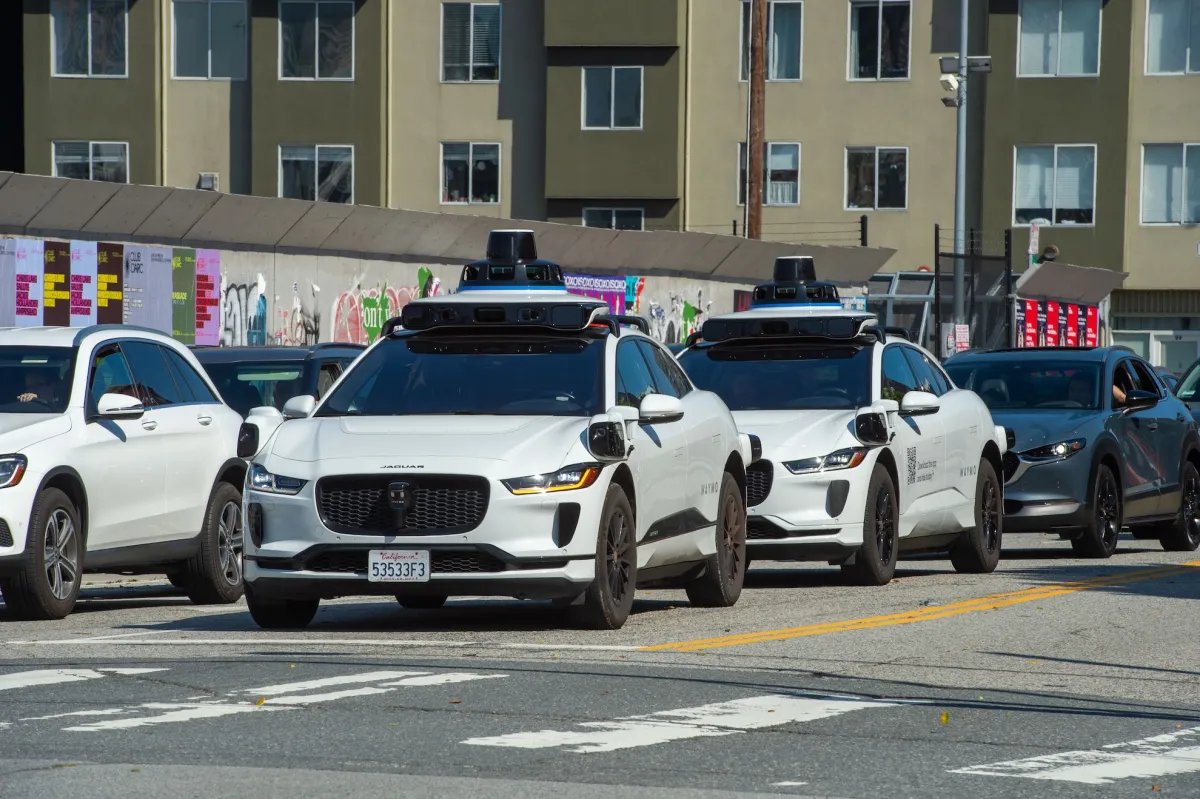
San Francisco mayor Daniel Lurie is hitting the brakes on autonomous vehicle operations. His recent call for stricter regulations comes after a July 4 fiasco involving Waymo robotaxis. A sudden influx of traffic turned the streets into a parking lot, leaving both passenger vehicles and municipal shuttles trapped for hours. It’s clear that even a city eager to embrace technology has its limits when innovation leads to chaos.
Lurie’s letter to the state Department of Transportation highlights two troubling incidents: a significant power outage in December and the chaotic conditions during the Fourth of July fireworks. Both scenarios left numerous Waymo vehicles stranded, worsening already severe traffic. Lurie argues that California’s existing rules cannot adequately manage autonomous vehicles in crisis situations. Instead, the focus must shift from whether these vehicles can operate normally to whether they can handle emergencies.
Core Competencies Needed for Future Operations
Mayor Lurie proposes that autonomous vehicle manufacturers demonstrate four essential operational capabilities. First, companies must quickly relocate or remove immobilized robotaxis from active traffic lanes. Second, they should adapt their routes and services in real-time, adjusting to unexpected conditions. Third, sharing real-time operational data with local governments is crucial. This data includes updates on service disruptions and the locations of immobile vehicles. Fourth, companies must prove through rigorous testing their capacity to manage sudden spikes in traffic and passenger volume.
California’s regulatory landscape for autonomous vehicles is already one of the strictest in the nation. Companies must obtain both testing and deployment permits, making it a rollercoaster ride for newcomers. The San Francisco area, a hub for autonomous tech, has seen Waymo establish a leading fleet, with approximately 1,000 robotaxis dotted around the Bay. Despite this, the reality is that voluntary measures, such as Waymo’s restricted service near the waterfront on July 4, aren’t enough. The rapidly growing fleet demands a firmer regulatory framework.
Lurie emphasizes that the proposed requirements won’t stifle the technology—they will enhance its reliability and effectiveness. A robust set of guidelines helps ensure public safety. As cities adopt emerging tech, they must prioritize functionality and public service over sheer innovation. A well-regulated environment not only supports autonomous vehicles but also protects the cities that are opening their streets to them.
Stay Ahead with the Latest Tech Trends
Learn how the Internet of Things (IoT) is transforming everyday life.
Explore past and present digital transformations on the Internet Archive.
TechV1
