

Fast Facts
- NASA’s CAPSTONE 02 aims to enhance cislunar navigation and communication technologies.
- The mission targets a 2027 launch with two spacecraft in lunar orbit.
- It builds on the first CAPSTONE’s success with autonomous navigation validation.
- CAPSTONE 02 tests automated navigation for crew transfers to lunar landers.
Advancing Lunar Exploration with CAPSTONE 02
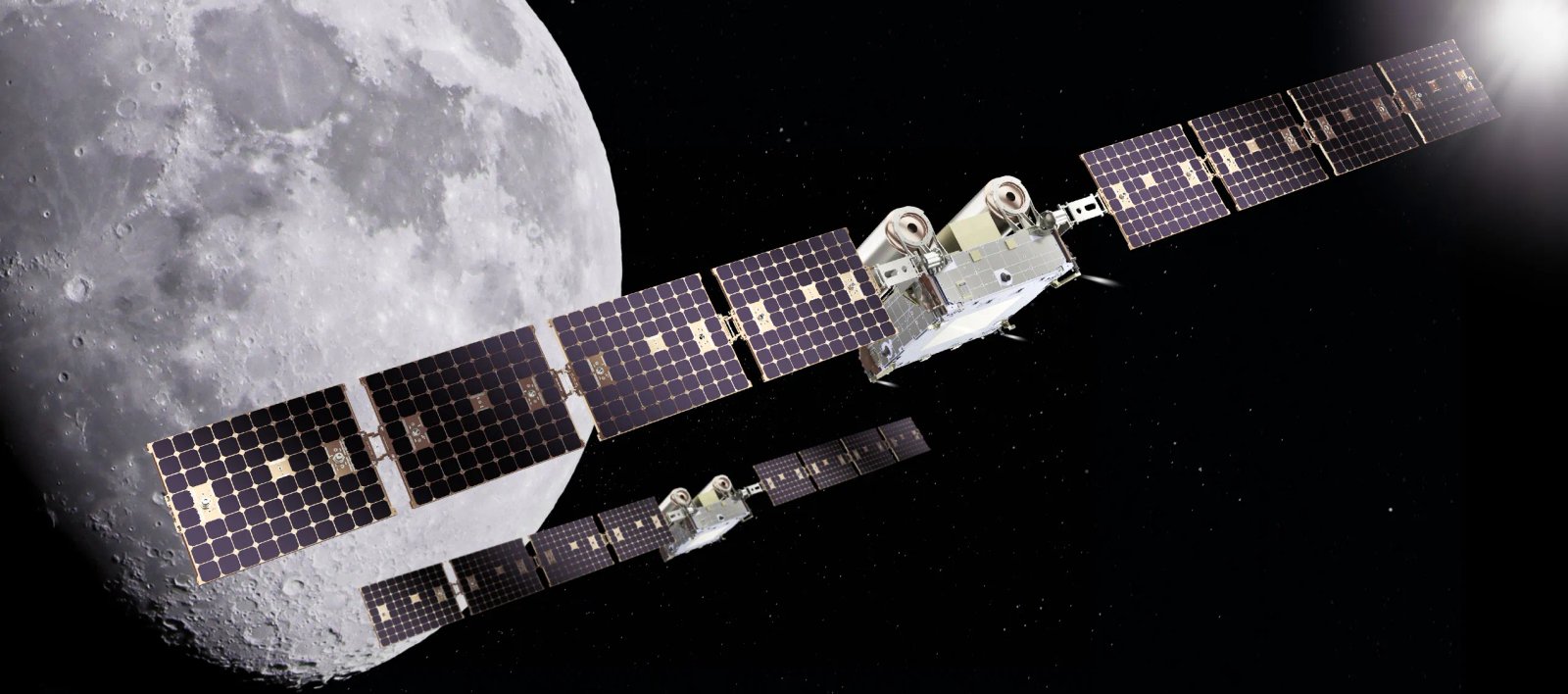
NASA is pushing the boundaries of lunar exploration with its upcoming CAPSTONE 02 mission. Targeted for launch in 2027, this mission aims to enhance cislunar infrastructure for Artemis and future Moon bases. By utilizing two small spacecraft in lunar orbit, NASA aims to demonstrate advanced rendezvous and proximity operations, autonomous navigation, and cislunar communication capabilities. This mission will also provide crucial data on the radiation environment around the Moon.
The original CAPSTONE mission marked a significant milestone as it became the first U.S. commercial mission to the Moon. It successfully operated in a near rectilinear halo orbit, showcasing the potential of this nearly stable configuration. CAPSTONE validated communications, networking, and navigational technologies, setting the stage for the next phase of lunar exploration. CAPSTONE 02 builds on these achievements by shifting focus from orbit validation to practical demonstrations essential for future NASA missions.
Technological Advancements and Operational Strategies
At the heart of CAPSTONE 02 are advanced relative navigation technologies tailored for cislunar space. These techniques exceed those used in low Earth orbit, designed specifically for crewed spacecraft docking with lunar landers. Each of the two 400-kilogram spacecraft will engage in a series of operational maneuvers to study their trajectories influenced by Earth and Moon gravities.
The mission employs ground tracking, optical sensors, and celestial references to facilitate rendezvous operations. This approach will mirror navigation strategies planned for the Orion spacecraft’s interactions with lunar landers, enhancing confidence in these operations. Both CAPSTONE 02 spacecraft will alternate roles as ‘chaser’ and ‘target,’ testing various scenarios under diverse environmental conditions.
Additionally, CAPSTONE 02 serves as an operational testbed for three NASA-developed navigation software suites. These applications will gather data during the spacecraft’s low-energy transfer trajectory from Earth to lunar orbit. The mission will utilize an optical imaging payload from Lawrence Livermore National Laboratory to support navigation demonstrations and capture lunar imagery.
These technologies aim to automate navigation tasks, reducing the need for Earth-based data. They foster new mission concepts through enhanced inter-satellite coordination, supporting cost-effective and rapid deployment strategies. NASA envisions CAPSTONE 02 as a critical stepping stone for lunar infrastructure and commercial services essential for Artemis, future Moon bases, and deep space exploration.
Stay Ahead with the Latest Tech Trends
Learn how the Internet of Things (IoT) is transforming everyday life.
Explore past and present digital transformations on the Internet Archive.
Space
