

Top Highlights
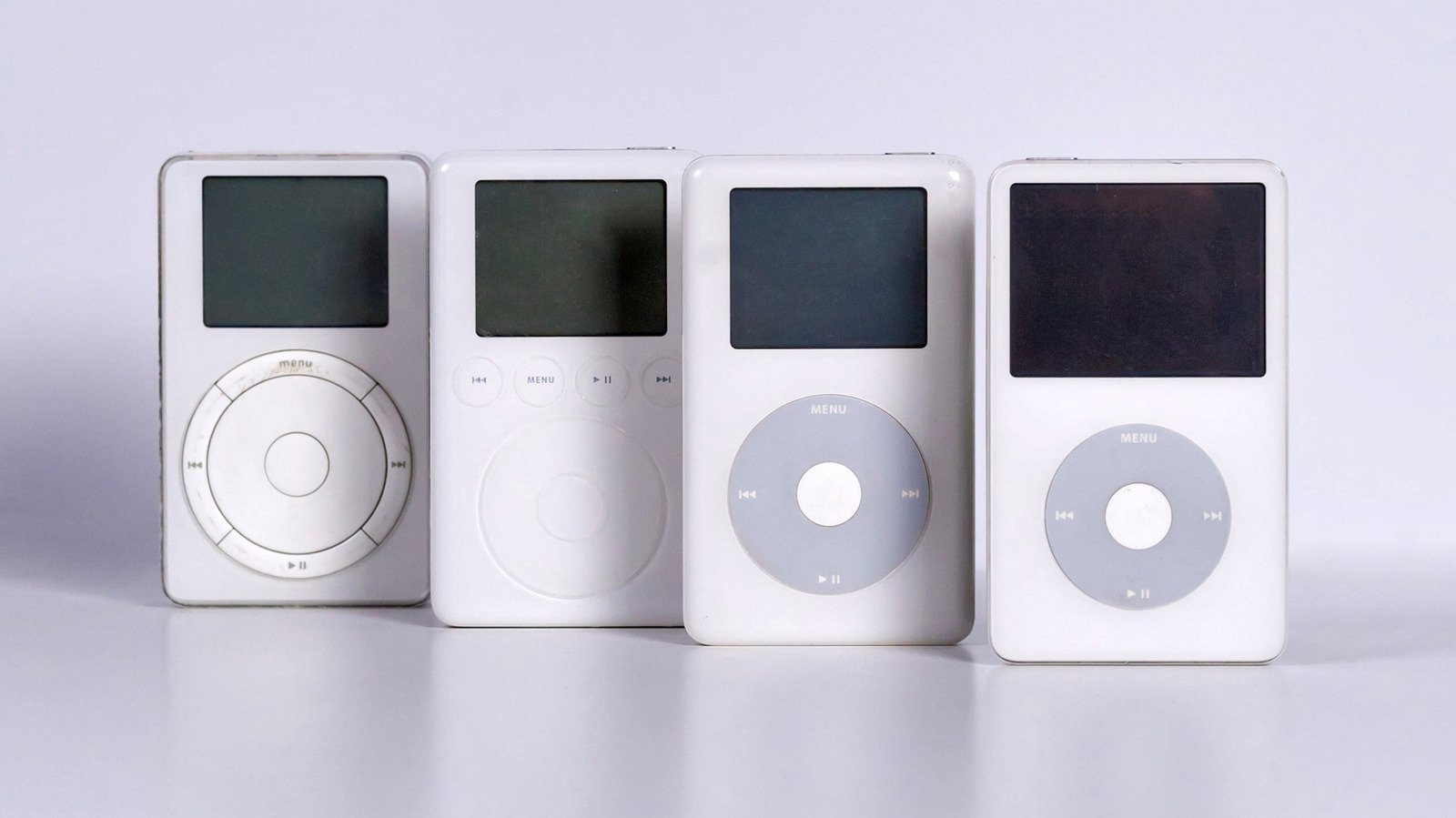
- Sprout Pi replaces an older iPod’s logic board while preserving its screen and click wheel.
- It aims to add Bluetooth, USB-C, Wi-Fi, hi-fi audio, up to 2TB of microSD storage, and Apple Music or Spotify streaming.
- Compatibility is limited to select iPod mini and classic generations; streaming features are still in development.
- The crowdfunding campaign has not launched, and pricing and availability remain unknown.
Your Old iPod Could Get Spotify and USB-C Support — Here’s How
The iPod turned 25 in October 2026. Apple did not publicly celebrate the milestone, but it tucked an interactive virtual iPod into Apple Music’s 404 page. Meanwhile, devoted fans keep real iPods alive with repairs and upgrades.
Now, a new project aims to give select classic models a much bigger refresh. It could add USB-C, Bluetooth, Wi-Fi and streaming apps while keeping the familiar screen and click wheel. The idea has drawn plenty of attention: The project’s launch video has topped 1 million YouTube views. Still, excitement should come with a little patience. Key details remain unknown.
A new mainboard could give an old iPod modern features
Most iPod upgrades focus on storage and battery life. Owners often replace the original hard drive with flash storage and install a larger battery. Those changes can make an aging player more useful. However, they leave its original software and limits in place.
The Sprout Pi Mainboard takes a more ambitious route. It replaces the iPod’s entire logic board — the hardware that runs the device. The original screen and click wheel stay, so the player can retain its familiar look and controls. Under the surface, though, the new board could change how the iPod works.
The planned features include Bluetooth for wireless headphones, Wi-Fi for internet access, USB-C charging and a microSD card slot that can support up to 2 terabytes of music. The board also promises a high-quality audio chip for lossless playback. Most strikingly, its Wi-Fi version aims to stream music from Spotify and Apple Music, plus support AirPlay.
That mix could solve some everyday frustrations. You could charge with the same cable you use for newer devices. You could pair AirPods or other wireless headphones. And you could listen to a huge collection without syncing tracks the old way.
Still, the project does not simply add apps to an untouched iPod. It swaps out the core electronics. That may appeal to people who want a modern player with classic controls. But it also means the device no longer keeps all its original hardware.
Only a few classic models make the list
The proposed board supports specific models: the first- and second-generation iPod mini, along with the third- and fourth-generation iPod. It does not list the iPod classic, the nano or the original iPods with color screens.
The project also plans two board versions. One focuses on local music playback. The other adds Wi-Fi for streaming apps and AirPlay. That choice matters. If you mainly want a dependable offline music player, you may not need the more connected model. If Spotify access drives your interest, you would need the Wi-Fi version.
However, the project’s creators still have work to do. They describe the features as under development. The Crowd Supply campaign has not launched, and the project has not announced a price or release date. So, treat streaming and other promised functions as plans, not guarantees.
You also need to provide the iPod. If you no longer own a compatible model, you will have to find one. Prices can vary, and a rare or well-kept unit may cost more than expected. Before spending money, check the exact model and wait for clearer details about availability and performance.
There are trade-offs — and other ways to revisit the iPod
The project taps into a simple appeal: a small music player with physical controls can feel refreshing in a world of phones and endless notifications. The familiar design may bring back good memories. Modern charging and wireless audio could also make the device easier to use today.
Yet an upgrade like this will not suit everyone. The board replaces original hardware, and early projects can change as developers test their ideas. Streaming also depends on Wi-Fi and continued support for the services involved. For some listeners, a refurbished iPod with local music may offer more certainty and fewer complications.
Some later iPods already have wireless features. The first-generation iPod touch supports Wi-Fi, while later touch models support Wi-Fi and Bluetooth. The final iPod nano, released in 2012, also includes both. But those devices face another limit: Most cannot run today’s streaming apps. The seventh-generation iPod touch, the final model Apple sold before it ended the line in 2022, tops out at iOS 15. The last nano cannot install apps.
For now, the Sprout board offers an intriguing possibility, not a ready-to-buy upgrade. If the project delivers, it could give certain old iPods a useful second life. If you want to revive one today, you can also upgrade its storage, load music onto it and pair a compatible iPod touch with wireless headphones. The best choice depends on what you value most: nostalgia, convenience or the freedom to carry your music without a phone.
Continue Your Tech Journey
Dive deeper into the world of Cryptocurrency and its impact on global finance.
Discover archived knowledge and digital history on the Internet Archive.
CellphonesV1
