

Top Highlights
- Tech firms are embracing limited-edition merchandise to showcase style and taste.
- “Corpcore” merchandise aims to humanize tech firms amid AI-driven digital excess.
- Critics see tech’s focus on craftsmanship as “taste-washing” to distract from automation.
- High-quality, curated swag highlights human judgment as AI replaces creative roles.
The Rise of Tech Fashion and Merch
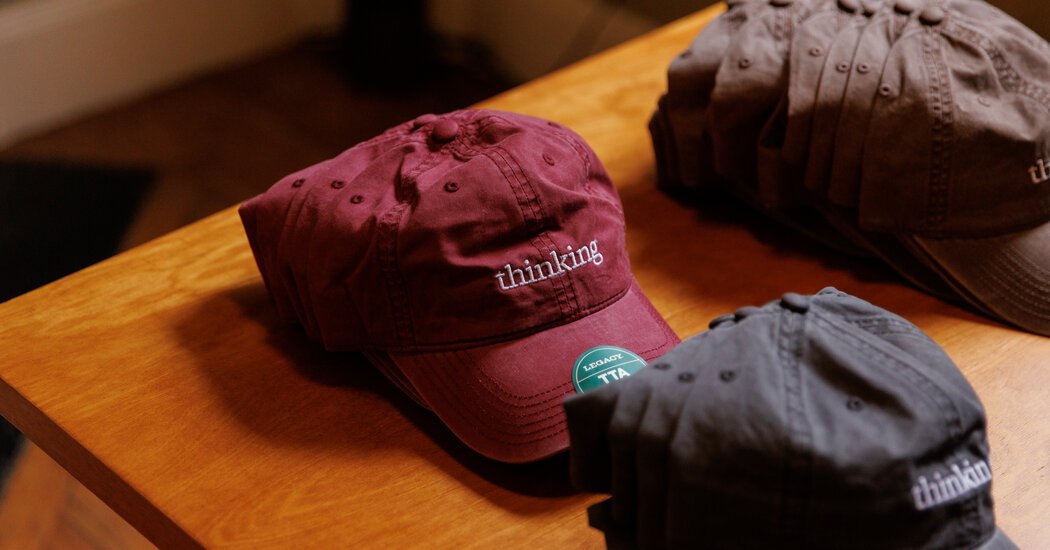
Tech companies are shifting from bland logos and generic T-shirts to more stylish, limited-edition merchandise. Some brands, like Anthropic and Figma, create items that act as status symbols and conversation starters. Anthropic’s “thinking” hats sell for eBay, and Figma releases seasonal collections with hip designer collaborations. Palantir’s $239 chore coat and OpenAI’s branded apparel aim to humanize tech firms and make their brands more culturally relevant. These efforts reflect a desire to blend technology with fashion and lifestyle, signaling sophistication rather than just utility.
This trend challenges the old Silicon Valley image. Historically, tech firms upheld a simple, “nerdy” look—gray hoodies, sneakers, and logo T-shirts handed out at conferences. Now, they compete for cultural attention by collaborating with niche designers and releasing exclusive gear. The industry hopes that taste and style can serve as a new form of differentiation. Such merchandise often sells out quickly, creating a sense of exclusivity and desirability. Critics argue this is just “taste-washing,” a way to mask the lack of true innovation. But for many tech firms, stylish merch is a strategic move to stay relevant in a crowded market.
Marketing in the Age of Artificial Intelligence
The old rule was that good tech mostly sold itself. Silicon Valley believed “marketing is like sex,” and only those desperate enough to pay for ads did so. That mindset is changing fast. Today, companies spend millions on creative marketing campaigns to stand out. Monaco, a startup, flies a branded plane over San Francisco, spending thousands daily instead of buying a billboard. Corgi Cafe hosts around-the-clock gatherings to attract talent and build community. Merchandise plays a big role, with limited-edition items that boost brand awareness.
Many critics see these moves as superficial. They argue that the clothing and gear look generic or dated, lacking a real sense of the company’s culture. Some companies sell memorabilia rather than functional clothing, emphasizing branding over quality. Meanwhile, some industry insiders push for more meaningful human connection. Entrepreneurs like Jeff Sheldon of Ugmonk choose slow, thoughtful design over rapid growth. They focus on quality and craftsmanship, creating products that reveal their care and intention. This approach aims to add depth and authenticity to tech culture, countering the flashy but often shallow marketing tactics of A.I.-powered firms.
Expand Your Tech Knowledge
Stay informed on the revolutionary breakthroughs in Quantum Computing research.
Discover archived knowledge and digital history on the Internet Archive.
TechV1
