

Fast Facts
- Joby is acquiring Resonant Sciences for $500 million to enter military markets.
- The acquisition aims to combine Joby’s propulsion tech with Resonant’s sensing systems.
- Resonant develops advanced sensors and secure communication tech for aircraft.
- The move highlights electric aviation’s shift toward military contracts for revenue growth.
Joby Buys Defense Firm to Tap Military Contracts
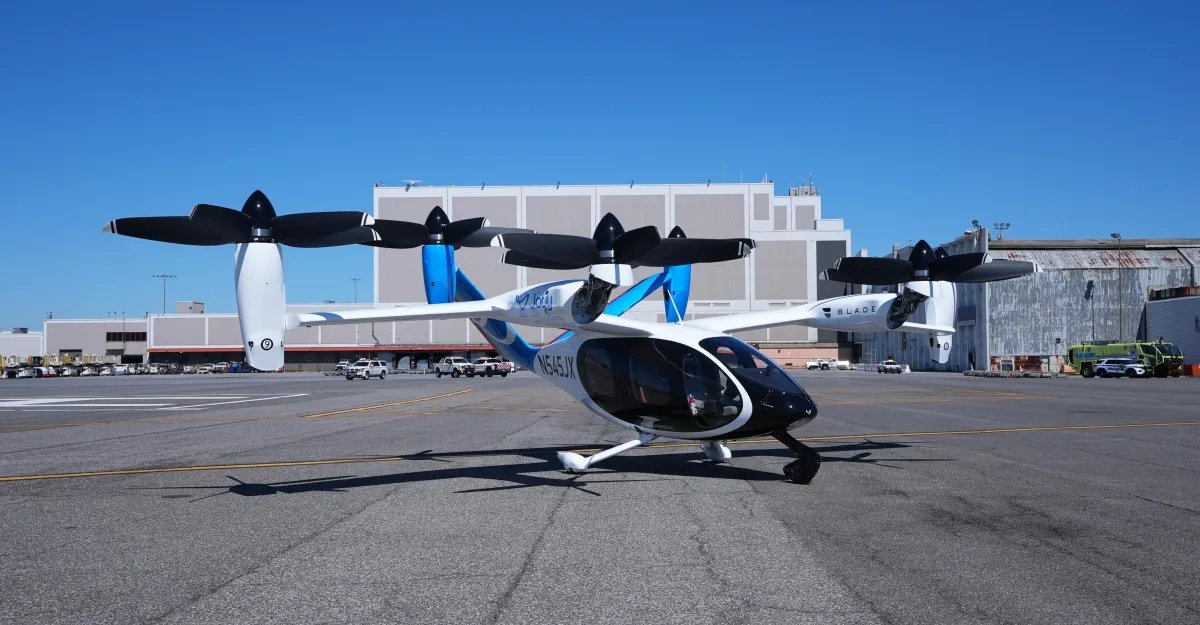
Joby Aviation is investing heavily in the military sector. The company announced it will acquire Resonant Sciences for $500 million. Most of the money, $450 million, will come in cash, and the rest will be in equity. The deal is expected to close in early 2027. After closing, Resonant will keep working on existing projects as Joby’s dedicated defense division. Meanwhile, Joby will continue focusing on air taxis, with its first models expected to launch soon.
This move shows how electric aircraft companies are seeking new ways to grow beyond urban air taxis. Developing these air taxis takes a lot of time and money. The ongoing regulatory process slows the progress. Many firms see military contracts as a promising new source of income. For Joby, acquiring Resonant gives it the chance to enter the defense industry with existing technology and expertise.
Expanding into Military Markets and Technology
Resonant Sciences, founded in 2015, employs about 250 people. The company creates systems that help aircraft see, communicate, and operate in difficult environments, such as warzones. Its sensors, antennas, and signal technology gather information, support secure communication, and protect aircraft from interference. Resonant also specializes in making aircraft harder to detect through low-observability technology. Its products are already used across many commercial and defense airframes, and many employees have military clearances due to sensitive work.
Joby plans to combine Resonant’s systems with its own propulsion and autonomy technology. The goal is to design and build stealth aircraft that can operate in complex environments. The company has long had ties to the military, dating back to 2016. It participated in Defense Innovation Unit projects and received certification from the U.S. Air Force for government testing. Last year, Joby delivered its first aircraft to Edwards Air Force Base for testing.
Many electric aircraft developers now see military contracts as a way to offset losses. The commercial side, especially air taxis, still faces many hurdles before practical deployment. Regulatory delays have slowed the sector’s growth. Joby recently reported a second-quarter loss of $245.4 million on $38.6 million in revenue. The company’s focus on the defense industry suggests it seeks a more stable revenue stream amid these challenges.
Expand Your Tech Knowledge
Stay informed on the revolutionary breakthroughs in Quantum Computing research.
Discover archived knowledge and digital history on the Internet Archive.
TechV1
