
Close Menu
    Facebook X (Twitter) Instagram
    Sunday, September 27
    Top Stories:
    • Alibaba’s AI Boosts Mapping App to Challenge Meituan Dominance
    • Breast Cancer Screening Risks May Have Been Overestimated for Decades
    • US Cloud Restrictions Loom: China’s AI Sector Prepares to Adapt
    Facebook X (Twitter) Instagram Pinterest Vimeo
    IO Tribune
    • Home
    • AI
    • Tech
      • Gadgets
      • Fashion Tech
    • Crypto
    • Smart Cities
      • IOT
    • Science
      • Space
      • Quantum
    • OPED
    IO Tribune
    Home » Lunar Science Leap: New Astronaut-Deployable Instrument Achieved
    Space

    Lunar Science Leap: New Astronaut-Deployable Instrument Achieved

    Staff ReporterBy Staff ReporterAugust 11, 2026No Comments4 Mins Read
    Share Facebook Twitter Pinterest LinkedIn Tumblr Reddit Telegram Email
    Share
    Facebook Twitter LinkedIn Pinterest Email

    Fast Facts

    1. NASA completed the Lunar Environment Monitoring Station (LEMS) for Artemis Moon missions.
    2. LEMS will deploy sensitive seismometers to study moonquakes and lunar interior.
    3. Designed for durability, LEMS operates independently, enduring extreme lunar temperatures.
    4. The instrument supports future lunar science, exploration, and safer astronaut missions.

    NASA Completes Essential Science Instrument for the Upcoming Lunar Missions

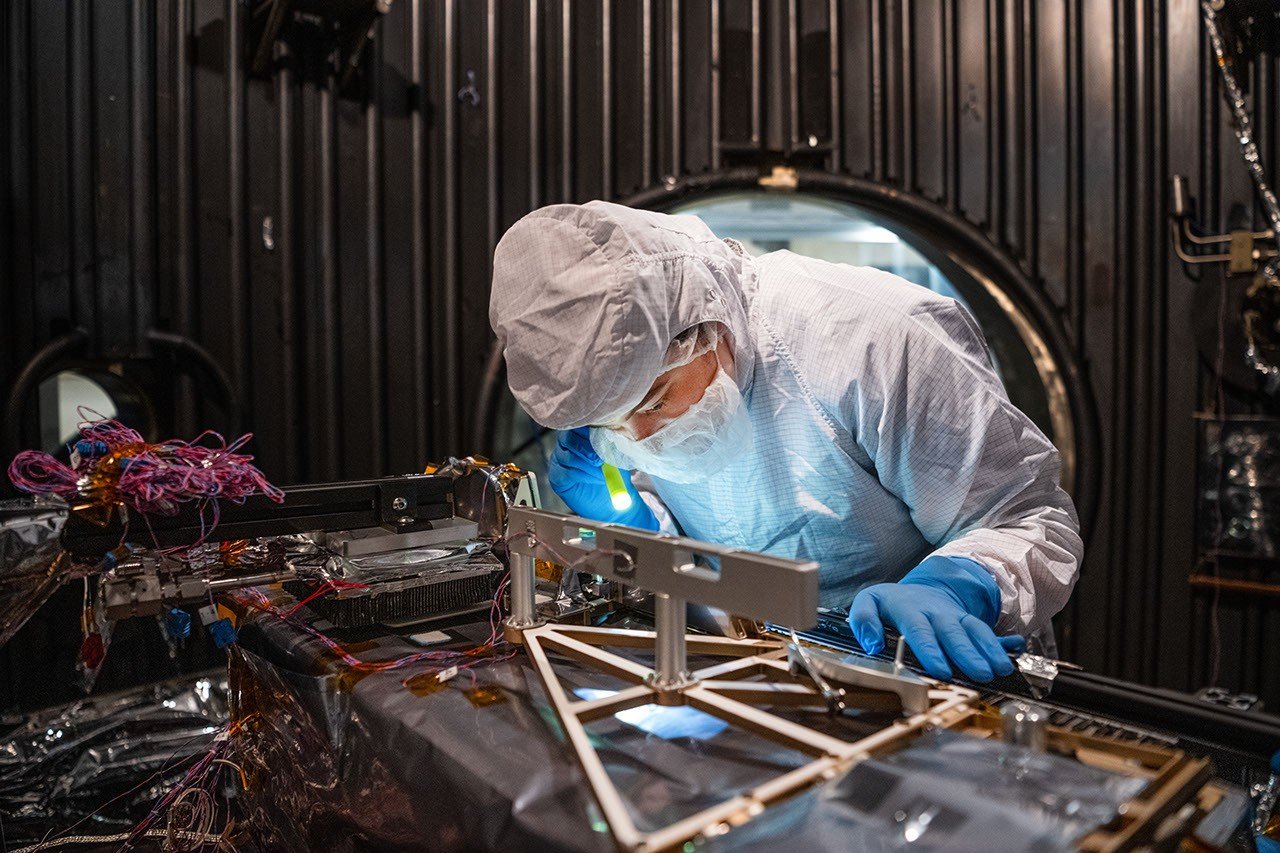
    NASA has finished building and testing a new scientific tool designed for astronauts to deploy on the Moon. This instrument is part of the Lunar Environment Monitoring Station (LEMS) and is dedicated to studying the Moon’s interior and seismic activity. Once deployed near the lunar South Pole, LEMS will help scientists learn more about the Moon’s structure and the hazards astronauts might face on the surface.

    The LEMS payload includes two sensitive seismometers that detect ground vibrations caused by moonquakes and meteorite impacts. These sensors will gather valuable data about what goes on beneath the lunar surface. They provide a new, detailed look at the Moon’s internal makeup—something scientists have wanted for decades. The instrument’s modular design allows future upgrades or additional tools to be added easily, making it a flexible platform for ongoing lunar research. Currently, LEMS sits in a clean room at NASA’s Goddard Space Flight Center in Maryland, awaiting assignment to an Artemis mission for actual moon deployment.

    According to NASA officials, the completion of LEMS marks a major step forward for lunar science. Joel Kearns, a NASA scientist, emphasized that experiments like LEMS will unlock many secrets about the Moon and help prepare safe, sustainable exploration. Behind the scenes, teams across NASA and partner organizations have worked hard to develop innovative instruments that will support future missions and expand humanity’s reach on the Moon.

    Building a Legacy of Lunar Seismic Science

    LEMS continues a long tradition of lunar seismic research that began during the Apollo missions. Between 1969 and 1972, Apollo astronauts deployed seismometers on the Moon’s nearside region. These early devices recorded about 13,000 moonquakes and other ground vibrations. The data helped scientists understand that the Moon has a layered interior and seismic activity, but the instruments ceased operation in 1977. Since then, scientists have hoped to enhance seismic studies with modern technology and broader coverage.

    LEMS will be the first to carry new seismometers designed for future human missions. These sensors are the most compact, sensitive, and energy-efficient ever made for planetary exploration. LEMS weighs just 11 pounds—about the size of a small suitcase—in the Moon’s low gravity. It will operate independently, managing its power from a lightweight solar array that conforms to its shape. The device will run on a pre-set plan, transmitting data to Earth every month, and will maintain a stable temperature despite extreme temperature swings at the lunar South Pole.

    Before deploying, LEMS underwent extensive testing to ensure it can survive launch shocks and the harsh environment of the lunar surface. Engineers verified it can endure temperature drops as low as minus 400°F, radiation, and the vibrations of travel to the Moon. The instrument uses advanced insulation materials and innovative thermal management systems to stay operational during the two-week lunar night without external power or heaters. These improvements enable lighter, more energy-efficient instruments that will support future Artemis landings and the upcoming Moon Base.

    LEMS is led by the University of Maryland Baltimore County and the University of Maryland College Park. NASA’s Goddard Space Flight Center guides its technical development. The University of Arizona, partnering with Silicon Audio, Inc., supplied the seismometers. Morehead State University in Kentucky will handle the telecommunication system and operate the instrument on the surface. Washington University in St. Louis will oversee data processing and sharing with the scientific community.

    Stay Ahead with the Latest Tech Trends

    Learn how the Internet of Things (IoT) is transforming everyday life.

    Explore past and present digital transformations on the Internet Archive.

    Space

    Artemis Artemis 4 Artemis 5 Cosmos Earth's Moon Goddard Space Flight Center Goddard Technology Johnson Space Center Missions NASA NASA Centers & Facilities NASA Directorates Planetary Geosciences & Geophysics Planetary Science Planetary Science Division Science Mission Directorate Space Sustainability technology VT1
    Share. Facebook Twitter Pinterest LinkedIn Tumblr Email
    Previous ArticleCybercriminals Hack Into Accounts to Steal Intimate Photos
    Next Article AI Dead, Organoids Thrive: The New Frontier
    Avatar photo
    Staff Reporter
    • Website

    John Marcelli is a staff writer for IO Tribune, with a passion for exploring and writing about the ever-evolving world of technology. From emerging trends to in-depth reviews of the latest gadgets, John stays at the forefront of innovation, delivering engaging content that informs and inspires readers. When he's not writing, he enjoys experimenting with new tech tools and diving into the digital landscape.

    Related Posts

    IOT

    Secure Zero-Touch Wi-Fi Onboarding for IoT Devices

    September 27, 2026
    OPED

    Top Strongest & Most Accessible Options for Every Need

    Other compelling alternatives:

    • The Best Strong, Accessible Options to Consider
    • Powerful, Accessible Options That Deliver
    • Discover the Strongest and Most Accessible Choices
    • Best-in-Class Options: Strong, Accessible, and Reliable
    • Strong, Accessible Solutions for Every Budget

    September 27, 2026
    Gadgets

    Untangling the Hidden Mystery of iPhone Duo Creases

    September 27, 2026
    Add A Comment

    Comments are closed.

    Must Read

    Secure Zero-Touch Wi-Fi Onboarding for IoT Devices

    September 27, 2026

    Top Strongest & Most Accessible Options for Every Need

    Other compelling alternatives:

    • The Best Strong, Accessible Options to Consider
    • Powerful, Accessible Options That Deliver
    • Discover the Strongest and Most Accessible Choices
    • Best-in-Class Options: Strong, Accessible, and Reliable
    • Strong, Accessible Solutions for Every Budget

    September 27, 2026

    Untangling the Hidden Mystery of iPhone Duo Creases

    September 27, 2026

    What Does Your Pipeline Return When No Answer?

    September 27, 2026

    What Your Inner Voice Reveals About You

    September 27, 2026
    Categories
    • AI
    • Crypto
    • Fashion Tech
    • Gadgets
    • IOT
    • OPED
    • Quantum
    • Science
    • Smart Cities
    • Space
    • Tech
    Most Popular

    Sea Cucumbers: Nature’s Secret Weapon Against Cancer

    June 14, 2025

    Lovense Exposes Users: Email Leak Sparks Security Fears

    July 29, 2025

    What’s Next for Warner Bros. Discovery?

    October 24, 2025
    Our Picks

    Google and Apple Team Up for Seamless Android-iPhone Switches

    December 9, 2025

    Alibaba’s Claw AI Discovers Four Breakthrough Superconductors

    July 8, 2026

    Spin Small: The Miniature Record Player Revolution

    July 16, 2026
    Categories
    • AI
    • Crypto
    • Fashion Tech
    • Gadgets
    • IOT
    • OPED
    • Quantum
    • Science
    • Smart Cities
    • Space
    • Tech
    • Privacy Policy
    • Disclaimer
    • Terms and Conditions
    • About Us
    • Contact us
    Copyright © 2025 Iotribune.comAll Rights Reserved.

    Type above and press Enter to search. Press Esc to cancel.