

Quick Takeaways
- Pixel 11 series offers refined design, premium look, and subtle hardware updates.
- Price increases by $100, with a higher starting storage of 256GB.
- Camera improvements include a new sensor, enhanced zoom, and innovative ‘Camera Looks’.
- Pro models feature brighter screens, upgraded sensors, faster Night Sight, and RGB ‘HiLight’ LED.
Refinement Over Revolution: Hardware Updates in the Pixel 11 Series
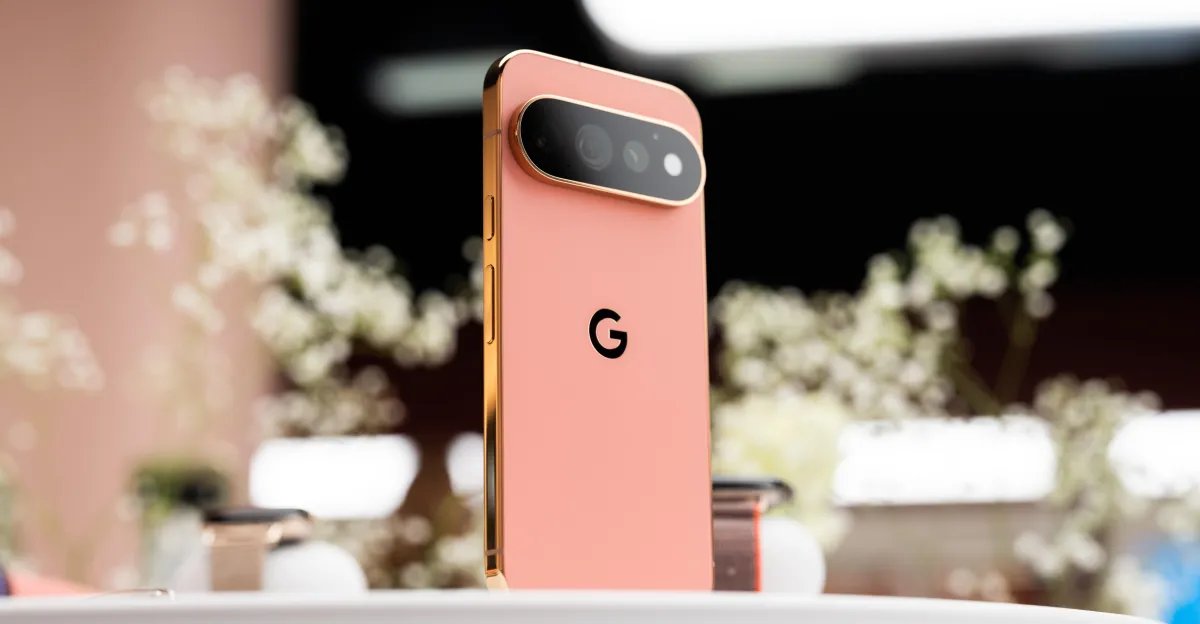
When I first picked up the Pixel 11 Pro this week, it was clear that Google focused on refinement. The hardware looks and feels more premium, but many updates are small. The camera bar is now a single piece of glass, making it thinner by over 40%. When paired with certain cases, it becomes flush with the back. The design keeps Google’s signature camera bar and bright backing glass, maintaining its recognizable style.
The Pixel 11 series offers minor upgrades. The main camera sensors are larger and more efficient. The Pixel 11’s wide camera gathers 56% more light, and the telephoto lens zooms digitally up to 30x. The Pro models now feature a 50MP main sensor that uses less power and performs better in low light. The display on the Pixel 11 Pro reaches up to 3,600 nits, the brightest ever on a smartphone. These updates make the phones more attractive but incrementally so.
Despite the hardware improvements, all phones cost $100 more than last year’s models. The base storage doubles from 128GB to 256GB, starting at $899. While the hardware enhancements improve durability and performance, they do not fundamentally change the device’s design or user experience.
Software as the Main Focus: Enhancing Functionality and Creativity
Google emphasizes new software features over radical hardware changes. The most notable addition is Camera Looks, which customizes how photos are processed at the sensor level. Users can choose different presets to achieve stylized or more natural images. The Natural mode, for example, reduces sharpness and contrast, making photos more true to life. This feature promises to give users more control over their photos, catering to both casual and serious photographers.
Another interesting software feature is Magic Capture. It automatically creates short clips and still images from longer recordings. During hands-on testing, it was inconsistent, but it aims to simplify capturing moments like parties or family gatherings.
Google also introduces the Creator Suite, a set of tools inside the camera app. It includes guides for social media, speech enhancement, a teleprompter, and automatic video organization. This move targets small creators who want a more integrated editing experience on their phones.
The Pixel 11 series also supports Qi2.2 wireless charging, which is 25% faster — up to 25W. This upgrade, combined with potential improvements in charging speed, adds convenience for users who rely on wireless power.
Overall, the Pixel 11 series prioritizes software to elevate what the phones can do. While hardware remains largely a refinement, these new features aim to boost creativity, ease of use, and everyday efficiency. Hardware updates, no matter how minor, support a broader goal: making the Pixel more useful and enjoyable through smarter, more customizable software.
Continue Your Tech Journey
Stay informed on the revolutionary breakthroughs in Quantum Computing research.
Explore past and present digital transformations on the Internet Archive.
TechV1
