
Close Menu
    Facebook X (Twitter) Instagram
    Thursday, September 10
    Top Stories:
    • Alibaba Deploys AI Digital Employees in ByteDance and Tencent Apps
    • Harnessing Proteomic Aging Clocks for Real-Time Geroprotective Evaluation
    • Chinese AI Firms May Stay Loss-Making Until 2030, Experts Warn
    Facebook X (Twitter) Instagram Pinterest Vimeo
    IO Tribune
    • Home
    • AI
    • Tech
      • Gadgets
      • Fashion Tech
    • Crypto
    • Smart Cities
      • IOT
    • Science
      • Space
      • Quantum
    • OPED
    IO Tribune
    Home » Unveiling the Pelican Nebula: A Cosmic Garden of Dust and Stars
    Space

    Unveiling the Pelican Nebula: A Cosmic Garden of Dust and Stars

    Staff ReporterBy Staff ReporterSeptember 7, 2026No Comments3 Mins Read
    Share Facebook Twitter Pinterest LinkedIn Tumblr Reddit Telegram Email
    Share
    Facebook Twitter LinkedIn Pinterest Email

    Quick Takeaways

    1. The Pelican Nebula is gradually transforming due to star activity and gas changes.
    2. Its boundary, called the ionization front, shows active star formation and gas heating.
    3. Dense cold gas tentacles persist amid ongoing stellar influences, shaping its structure.
    4. Over millions of years, the nebula may look entirely different as stars evolve.

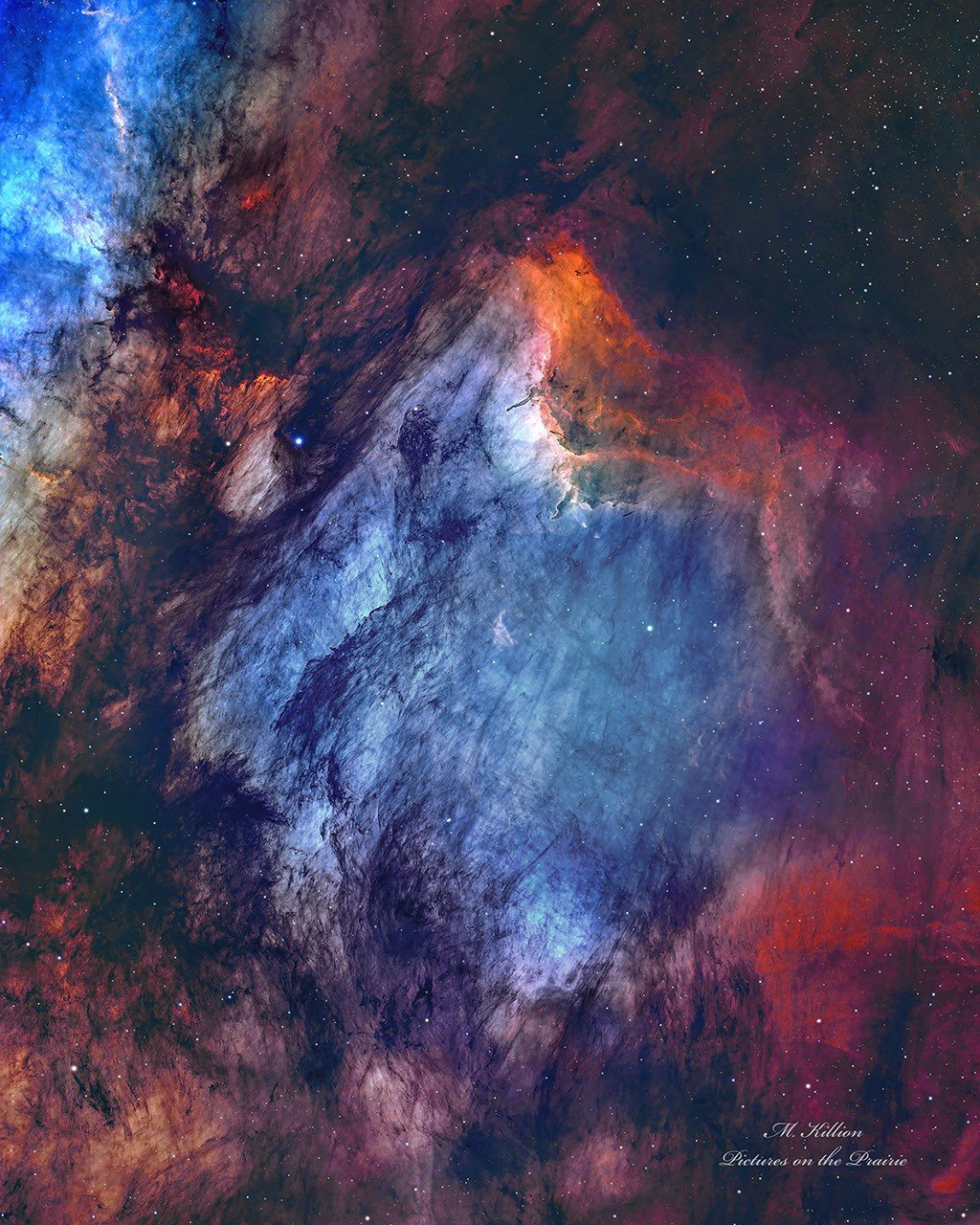
    APOD: 2026 September 7 – The Pelican Nebula in Gas, Dust, and Stars

    The Pelican Nebula is a stunning region in space known for its active star formation and dynamic gas clouds. This image, taken from Utah, USA, shows the nebula in incredible detail after 25 hours of exposure. It highlights the intricate filaments of dark dust and glowing gas that make this nebula so fascinating for scientists and stargazers alike. The Pelican Nebula, officially called IC 5070, is closely related to the larger North America Nebula, separated by a thick cloud of dark dust.

    Over time, the nebula is changing. Young, energetic stars emit light and radiation that slowly transform the surrounding cold gas into hot gas. This process creates an advancing boundary called an ionization front, which can be seen in bright orange on the upper right of the image. The changing light conditions, combined with dense stretches of cold gas in the shape of tentacles, help astronomers understand how stars influence their environment.

    The Transforming Nature of the Pelican Nebula

    The Pelican Nebula is a vibrant laboratory for studying how stars form and evolve. Its cold gas, cloaked in dark dust, is in a constant state of flux, shaped by the energy emitted by newborn stars. The nebula’s complex structure includes bright regions and dense tentacles of gas that will either form new stars or be dispersed over millions of years. As the nebula continues to change, its current shape and appearance will likely become unrecognizable, especially as stars and dust shift and settle into new formations. The boundary between the cold, dark regions and the bright, ionized zones provides valuable clues about the processes driving early stellar development.

    The deep image from Utah reveals fine details that help scientists analyze the ongoing transformations within the nebula. As the gas heats up and disperses, the nebula’s appearance will evolve, offering a natural glimpse into the lifecycle of star-forming regions in our galaxy. The bright orange ionization front marks a key transition zone where energetic radiation from young stars begins to carve out and reshape the surrounding gas and dust.

    The Pelican Nebula’s ongoing story illustrates the complexity of cosmic evolution. It reminds us that even in the depths of space, change is constant. Over the coming millions of years, the nebula may lose its current form and appearance, leaving behind new stars and structures. This dynamic environment makes the Pelican Nebula a captivating subject for astronomy and an inspiring window into the universe’s continual birth and transformation.

    The APOD (Astronomy Picture of the Day) site has moved; it is now hosted on science.nasa.gov/apod. Tomorrow’s feature will focus on the striking geometric patterns seen on Saturn.

    Expand Your Tech Knowledge

    Learn how the Internet of Things (IoT) is transforming everyday life.

    Stay inspired by the vast knowledge available on Wikipedia.

    Space

    APOD Cosmos NASA Space Sustainability VT1
    Share. Facebook Twitter Pinterest LinkedIn Tumblr Email
    Previous ArticleIla Kumar: Community Innovation at MIT
    Next Article MIT Project Turns into Global Programming Language
    Avatar photo
    Staff Reporter
    • Website

    John Marcelli is a staff writer for IO Tribune, with a passion for exploring and writing about the ever-evolving world of technology. From emerging trends to in-depth reviews of the latest gadgets, John stays at the forefront of innovation, delivering engaging content that informs and inspires readers. When he's not writing, he enjoys experimenting with new tech tools and diving into the digital landscape.

    Related Posts

    AI

    Unlock New Possibilities with Siri AI Today

    September 10, 2026
    Science

    Plants Recall Past Temperatures to Track Seasonal Changes

    September 10, 2026
    Gadgets

    iOS 27: GymKit on iPhone and AirPods Explored

    September 10, 2026
    Add A Comment

    Comments are closed.

    Must Read

    Unlock New Possibilities with Siri AI Today

    September 10, 2026

    Plants Recall Past Temperatures to Track Seasonal Changes

    September 10, 2026

    iOS 27: GymKit on iPhone and AirPods Explored

    September 10, 2026

    AI’s Power Hinges on Architecture Design

    September 10, 2026

    August Breaks Records as Hottest Month on Record

    September 10, 2026
    Categories
    • AI
    • Crypto
    • Fashion Tech
    • Gadgets
    • IOT
    • OPED
    • Quantum
    • Science
    • Smart Cities
    • Space
    • Tech
    Most Popular

    Is gene-editing babies now safe for widespread use?

    June 7, 2026

    Real-Time Mood Adaptation: Experiencing the New Alexa Plus

    February 26, 2026

    Unlocking the Mind: Detecting Alzheimer’s Before It Strikes

    September 4, 2025
    Our Picks

    Ancient Maritime Marvels: 35,000-Year-Old Technology in the Philippines!

    June 14, 2025

    Smart Tech Transforms Chattanooga School Crossings

    August 18, 2026

    Algorand Aims for Quantum Resistance by 2027

    June 22, 2026
    Categories
    • AI
    • Crypto
    • Fashion Tech
    • Gadgets
    • IOT
    • OPED
    • Quantum
    • Science
    • Smart Cities
    • Space
    • Tech
    • Privacy Policy
    • Disclaimer
    • Terms and Conditions
    • About Us
    • Contact us
    Copyright © 2025 Iotribune.comAll Rights Reserved.

    Type above and press Enter to search. Press Esc to cancel.