

Essential Insights
NASA’s Roman telescope launch faced delays and resource shortages due to lab relocations.
Goddard’s downsizing has impacted spacecraft development and increased project risks.
Equipment was lost, auctioned, or donated without proper oversight, raising security concerns.
Staff exits and budget cuts threaten NASA’s future space exploration capabilities.
NASA’s space mission faces new challenges due to recent relocations and equipment losses
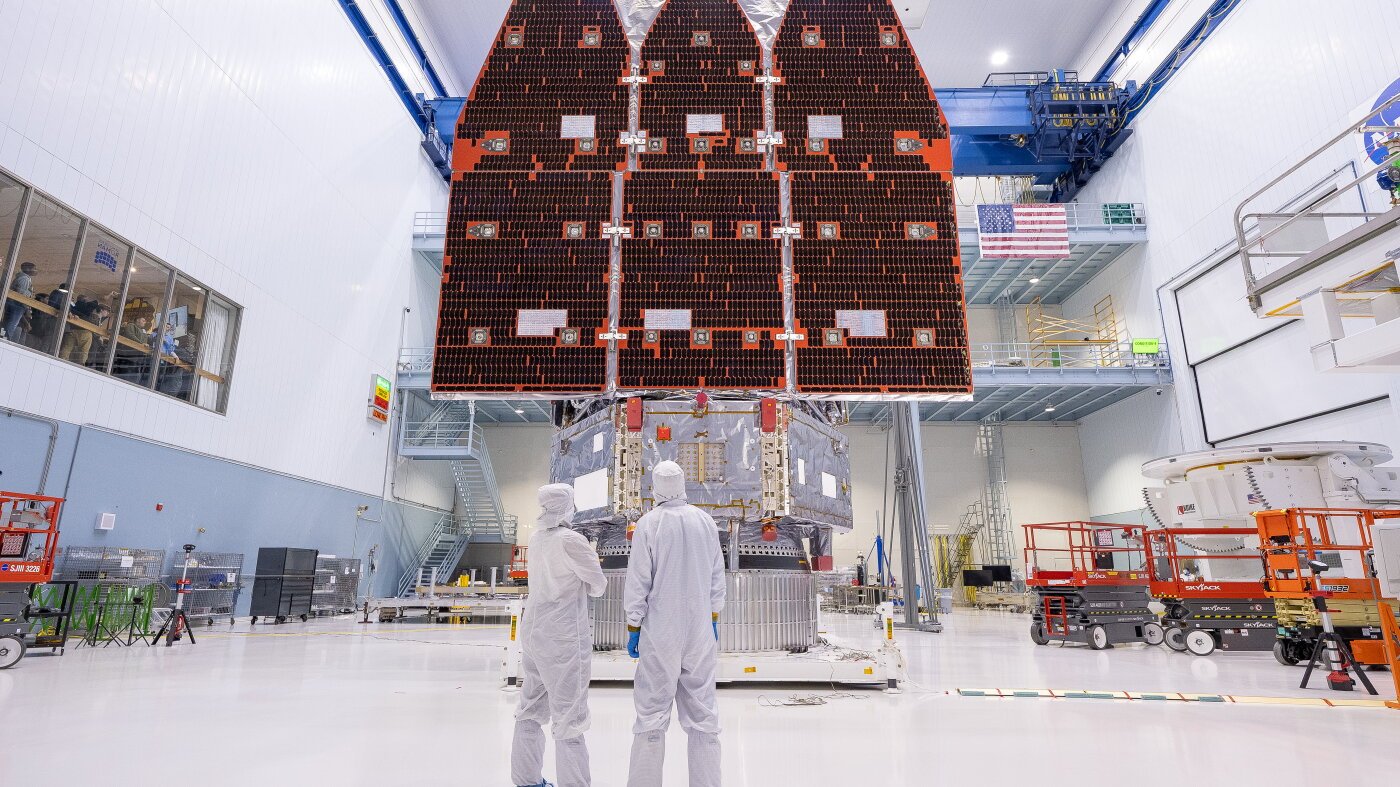
NASA scientists warn that constant moves within the agency’s facilities are putting space missions at risk. The agency’s efforts to cut costs and improve efficiency are causing delays and jeopardizing critical projects. The latest example involves the launch of the Nancy Grace Roman Space Telescope, which took place last month from Kennedy Space Center in Florida. This telescope promises to gather unprecedented data about the universe’s expansion and identify hidden planets in our galaxy. However, behind the scenes, NASA’s internal disruptions threaten to undermine its achievements.
<
Disruptions at Goddard Space Flight Center
Since November last year, NASA has moved scientists and equipment from over 80 facilities at Goddard Space Flight Center in Greenbelt, Maryland. Officials say these moves aimed to save money and reduce maintenance costs. But current and former employees say the relocations have caused serious problems. Many specialized workspaces and expensive tools needed for building spacecraft disappeared or were lost during the moves. For example, propulsions teams had to test Roman’s fuel with lower-quality equipment because their higher-precision tools were gone. The radio communications lab also lost nearly all its equipment during a shutdown. Employees say they were prevented from recovering vital gear.
Scientists and engineers say these setbacks increase risks for space missions. A project called GRITSS, which tracks Earth’s water and land changes from space, launched prematurely, without proper testing of its radio links. Engineers say they don’t know whether it will work correctly in orbit. They call this “half-blind” testing, highlighting how the disruptions have compromised mission safety and reliability. The move of labs and equipment has also made future projects harder to plan and execute.
<
Impacts Beyond Equipment and Risks
The move has led to the loss and improper disposal of valuable NASA tools. Artifacts worth millions are now auctioned or discarded. An example is a specialized telescope part originally bought for over $250,000, sold for just $300 at auction. Some materials labeled as scrap may still be useful, raising questions about how equipment is being managed. Additionally, NASA donated equipment worth hundreds of thousands of dollars to a university without consulting the scientists who used it. These scientists wanted their gear back but were told that reclaiming it was unlikely.
This chaos is causing a brain drain at Goddard. Many skilled employees are leaving, losing trust in NASA’s leadership. An internal survey shows nearly 60% of engineers plan to leave soon. Overall staffing has decreased by about one-third in recent years. Budget cuts threaten to weaken NASA’s ability to continue leading space research. Some scientists warn that if these issues persist, the agency may struggle to maintain its reputation for cutting-edge work.
While NASA management claims that relocations have not damaged ongoing projects, many internal reports and scientists dispute that. Equipment has gone missing, labs have been abandoned, and critical workspaces are no longer available. These problems raise concerns about the long-term impact on the nation’s space programs.
Continue Your Tech Journey
Dive deeper into the world of Cryptocurrency and its impact on global finance.
Stay inspired by the vast knowledge available on Wikipedia.
Space
