

Quick Takeaways
- Nebula Pa 30 likely results from a historic supernova explosion.
- The supernova, observed in 1181, was recorded by ancient astronomers.
- It may have been caused by merging white dwarfs, a Type Iax supernova.
- Astronomers study the nebula’s features to unravel 845-year-old cosmic mystery.
Unveiling a Cosmic Mystery: The Supernova Remnant Pa 30
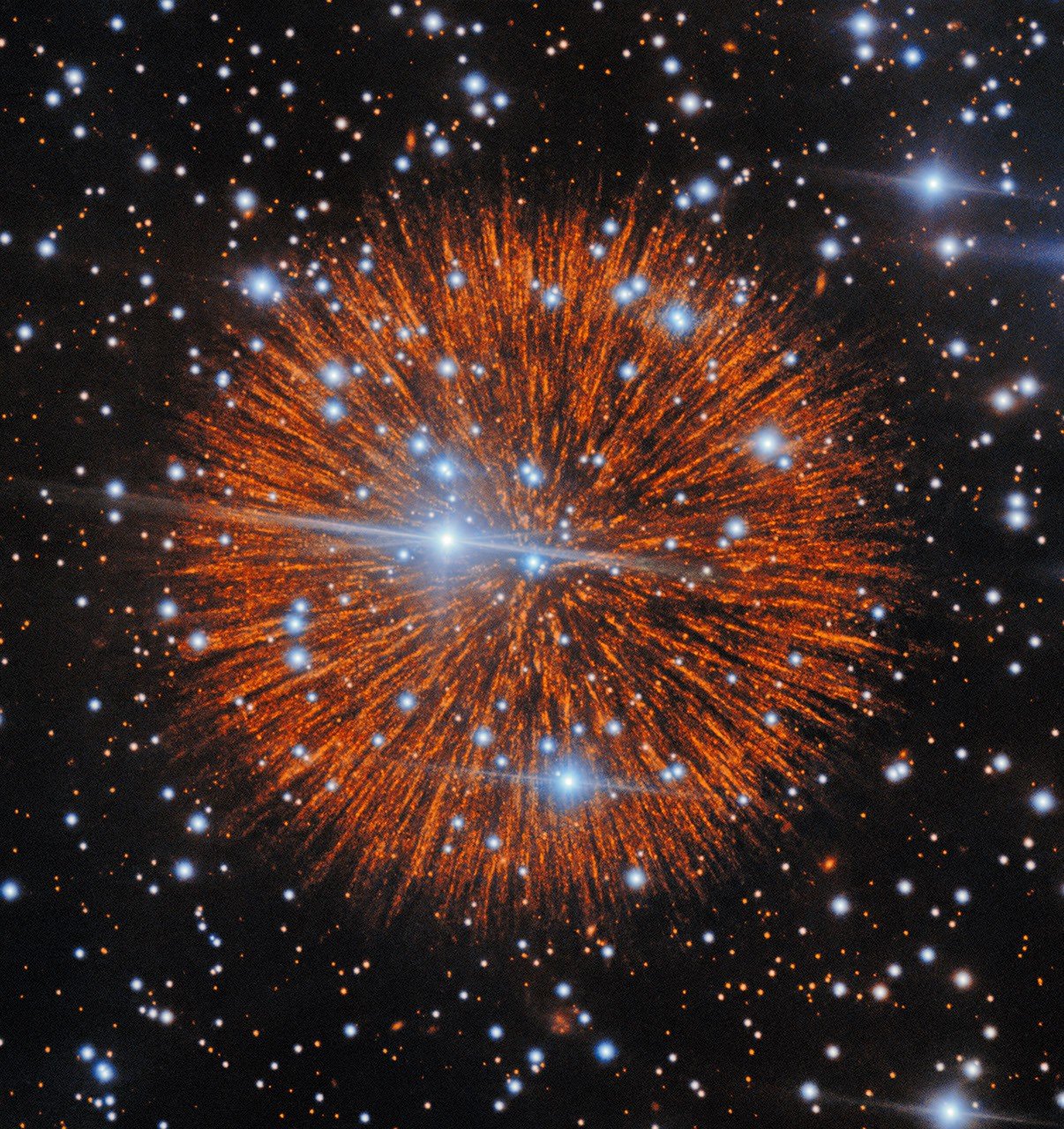
On October 7, 2026, NASA’s Astronomy Picture of the Day showcased a striking image of the supernova remnant Pa 30. Taken with the Gemini North Telescope in Hawai’i, this picture reveals a complex nebula shaped by an ancient explosion millions of miles away. It’s not a fireworks display — instead, it’s a snapshot of the remnants left behind by a massive stellar event.
This nebula is believed to be the result of a supernova that was visible to ancient astronomers. Historical records from China, Japan, and Arabic sources describe a bright “guest star” that appeared in the sky in the year 1181. This guest star lingered for approximately 185 days before fading away. Modern scientists think that this was the explosion responsible for creating Pa 30. Although they know it was a supernova, the exact details of this explosion remain a mystery. It’s classified as a Type Iax supernova, a rare and less-understood kind of explosion caused by the merger of two white dwarfs — dense remnants of stars that have exhausted their fuel.
At the center of the nebula stands a highly energized star, emitting intense heat and strong stellar winds. These winds interact with the surrounding material, creating elongated, radial filaments that stretch outward. If you look closely, you’ll see small, pearl-like knots along these filaments. These knots are about 4 light-days across, a tiny size on the cosmic scale but still enormous in human terms. Their presence hints at complex physical processes triggered by the supernova, contributing to the nebula’s intriguing structure.
Scientists are still working to understand how the explosion of 1181 led to the elaborate shapes seen today. Continued observations and research aim to uncover the details of this ancient event. Each discovery layers new understanding onto the 845-year-old mystery of Pa 30’s origin, revealing the dynamic history written in the stars.
Discover More Technology Insights
Stay informed on the revolutionary breakthroughs in Quantum Computing research.
Access comprehensive resources on technology by visiting Wikipedia.
Space
