

Top Highlights
- IBM Agent Identity tracks agents, limits access, and revokes suspicious credentials.
- Vault adds TPM authentication and centralized security management for infrastructure.
- Terraform’s new policies help keep AI-generated infrastructure within governance rules.
- Concert Protect maps vulnerability impact and uses Terraform to mitigate risks.
Security moves closer to the infrastructure
IBM is tying AI agent security to the systems that run business software. Its new Agent Identity product tracks agents, links them to the people responsible for them and sets limits on what they can access. It can also revoke an agent’s short-lived credentials when activity looks suspicious.
Meanwhile, HashiCorp Vault Enterprise 2.2 adds ways to verify applications before granting access. A trusted platform module can provide cryptographic proof at startup, reducing reliance on reused setup credentials. These controls may help curb misuse. However, they cannot guarantee that an agent will behave safely.
Policies and vulnerability fixes get more practical
IBM has also updated Terraform, a tool for defining and deploying infrastructure. Its new policy language uses familiar Terraform syntax, giving teams another way to set rules for infrastructure changes. That could help constrain infrastructure plans generated by AI agents, including rules tied to cost.
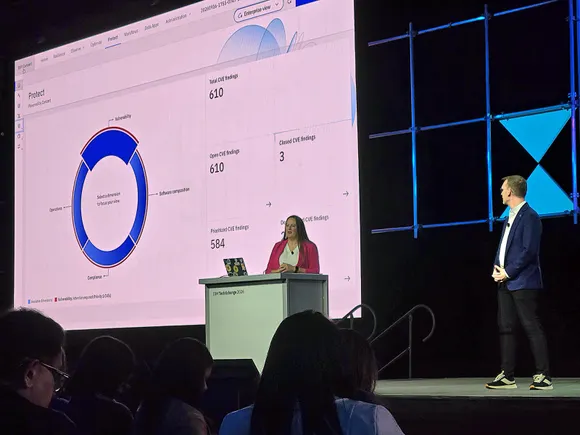
In addition, IBM Concert Protect can connect vulnerability data with a map of affected systems. Teams can see which infrastructure may be exposed and use Terraform to redeploy it. This helps prioritize fixes based on evidence of possible exploitation, rather than predictions alone.
What this could mean beyond the data center
For people, the effects may be indirect but meaningful. Better controls could help organizations keep digital services more reliable and limit damage from compromised software. That matters as banks, employers and other service providers explore AI agents to handle routine work.
Still, security tools add complexity. Companies must configure policies, monitor agents and coordinate security with infrastructure teams. The broader shift is clear: As AI enters essential systems, protection is moving into the infrastructure around it. Done well, that could let workers move faster while keeping important services safer.
Discover More Technology Insights
Explore the future of technology with our detailed insights on Artificial Intelligence.
Explore groundbreaking research and scientific advancements at the National Science Foundation (NSF).
IoTV1
