

Top Highlights
- AI data-center growth faces power shortages, permitting hurdles, and community resistance.
- xAI’s turbines face Clean Air Act litigation despite bypassing grid delays.
- OpenAI’s Georgia initiative aims to reduce power use during grid stress.
- Infrastructure delays could affect AI services’ availability, cost, and rollout timelines.
Compute needs more than capital
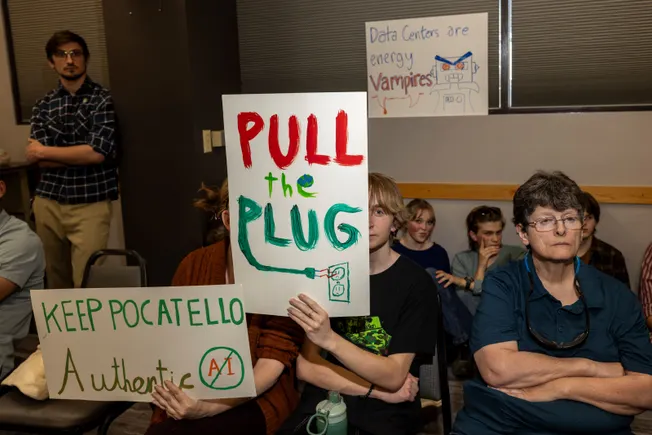
AI companies are spending billions on data centers. Yet money cannot guarantee that a new facility will open. Power shortages, environmental rules and community concerns can slow construction.
One company’s effort to power a data center with gas turbines is facing a Clean Air Act lawsuit. A federal judge rejected the company’s attempt to dismiss the case. The dispute shows that on-site power can bring its own legal and environmental hurdles.
Local grids shape AI’s future
Another company is testing a different approach: letting data centers use less electricity when local grids are under strain. Its first project is in Georgia, though key details have not been made public.
This flexibility could help balance demand. Still, it is only one part of the solution. Utilities, regulators and nearby communities all influence whether a facility can move forward. New nuclear plants may add power over time, but they cannot quickly ease today’s shortages.
Why everyday users should care
These choices reach beyond construction sites. Delays can affect when businesses get access to AI tools and how much those services cost. At the same time, data centers can put added pressure on local power, water and infrastructure.
More computing capacity can support research and useful services. But lasting progress depends on building responsibly. When companies plan around local needs, AI’s growth is more likely to improve daily life without shifting too much of the cost onto nearby communities.
Discover More Technology Insights
Stay informed on the revolutionary breakthroughs in Quantum Computing research.
Learn more about cutting-edge innovations supported by the National Science Foundation (NSF).
IoTV1
