
Close Menu
    Facebook X (Twitter) Instagram
    Monday, November 9
    Top Stories:
    • China AI Milestone: Models Generate More Tokens Than They Trained On
    • Why Some People Hear Pitch Better: The Role of Internal Noise
    • China’s Robotaxis: What It’s Really Like to Ride
    Facebook X (Twitter) Instagram Pinterest Vimeo
    IO Tribune
    • Home
    • AI
    • Tech
      • Gadgets
      • Fashion Tech
    • Crypto
    • Smart Cities
      • IOT
    • Science
      • Space
      • Quantum
    • OPED
    IO Tribune
    Home » North America’s Oldest Footprints Reveal Drought Survival
    Science

    North America’s Oldest Footprints Reveal Drought Survival

    Staff ReporterBy Staff ReporterNovember 8, 2026No Comments2 Mins Read
    Share Facebook Twitter Pinterest LinkedIn Tumblr Reddit Telegram Email
    Share
    Facebook Twitter LinkedIn Pinterest Email

    Essential Insights

    1. People kept returning: White Sands footprints show people walked the shoreline for nearly 2,000 years, from about 23,500 to 21,700 years ago.

    2. The landscape changed dramatically: Lake Otero shrank into a salty mudflat as drought and warming reshaped the region—sometimes within a human lifetime.

    3. Children were part of the story: Most measured tracks were from children, alongside prints from mammoths, ground sloths, and other animals.

    4. A climate puzzle remains: A brief White Sands drought coincided with abrupt Greenland warming, but scientists still don’t know how the distant climate shifts were connected.

    A changing landscape, recorded in mud

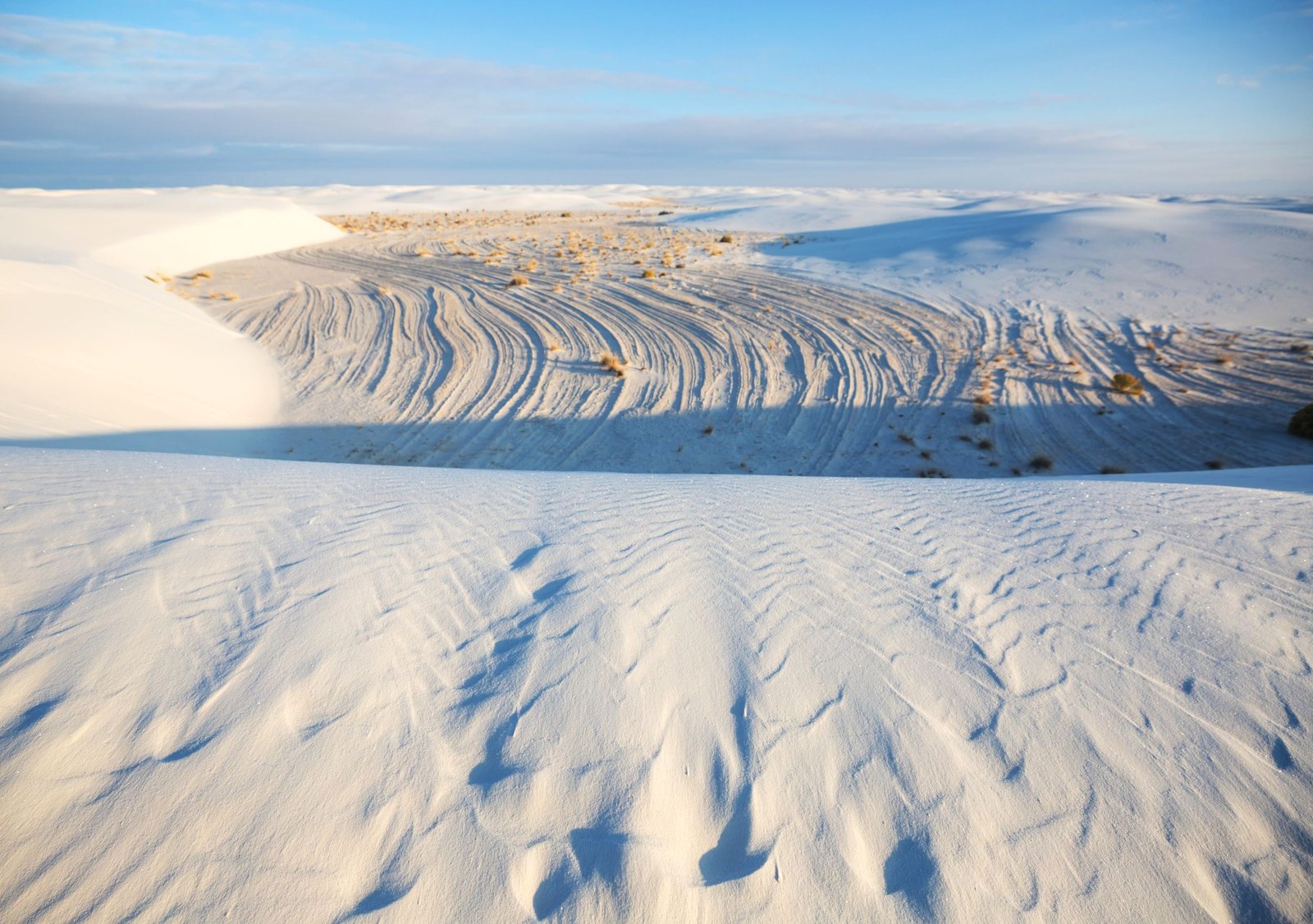
    At White Sands in New Mexico, footprints preserve nearly 2,000 years of repeated visits during the last ice age. New dating places them between about 23,500 and 21,700 years ago.

    Meanwhile, a lake shrank into a salty mudflat. Pine forests gave way to scrub, and a sharp drought arrived around 23,200 years ago. Later, water returned briefly. The landscape shifted within a human lifetime.

    Clues to movement and survival

    Researchers found 20 footprint layers, including many tracks likely made by children. Animal prints and marks from loads dragged on poles add further clues. The site shows people crossing the shoreline, not necessarily living there,researchers found no sign of a camp.

    Pollen dates helped refine earlier estimates based on water plants, which may absorb old carbon from lake water. Still, footprint counts cannot tell us how many people lived in the region. Foot length also offers only an estimate of age.

    A wider lesson, with limits

    The record links local drought to a period of abrupt global climate change, but scientists do not yet know how warming near Greenland could have helped dry the Southwest. More sites and climate records could test whether this pattern reached beyond White Sands.

    For people today, the tracks offer a vivid reminder: communities have long faced environmental change by returning to places that still offered food, water or safe passage. That lesson matters, but one ancient shoreline cannot provide a universal plan for modern drought. The evidence adds depth to the human story of the Americas and supports Native nations’ longstanding histories.

    Discover More Technology Insights

    Dive deeper into the world of Space and its vast mysteries.

    Access comprehensive resources on space and science by visiting NASA.

    ScienceV1

    Environment Science VT1
    Share. Facebook Twitter Pinterest LinkedIn Tumblr Email
    Previous ArticleQuantum Time-Series Prediction: Beyond Classical Methods
    Next Article 3 Ways to Understand Codebases Built by AI Coding Agents
    Avatar photo
    Staff Reporter
    • Website

    John Marcelli is a staff writer for IO Tribune, with a passion for exploring and writing about the ever-evolving world of technology. From emerging trends to in-depth reviews of the latest gadgets, John stays at the forefront of innovation, delivering engaging content that informs and inspires readers. When he's not writing, he enjoys experimenting with new tech tools and diving into the digital landscape.

    Related Posts

    Gadgets

    Canon Cameras Compatible with Free 3D Photo Software

    November 9, 2026
    Quantum

    One AI Model Simulates Sand, Proteins, and MoreOne AI Model Simulates Sand, Proteins, and More

    November 9, 2026
    IOT

    Smart City Expo Barcelona 2024: Are You Going?

    November 9, 2026
    Add A Comment

    Comments are closed.

    Must Read

    Canon Cameras Compatible with Free 3D Photo Software

    November 9, 2026

    One AI Model Simulates Sand, Proteins, and MoreOne AI Model Simulates Sand, Proteins, and More

    November 9, 2026

    Smart City Expo Barcelona 2024: Are You Going?

    November 9, 2026

    MIT AI Platform Helps Robots Reason Beyond Commands

    November 9, 2026

    California Crew Unearths 40-Million-Year-Old Giant Mammal Fossils

    November 9, 2026
    Categories
    • AI
    • Crypto
    • Fashion Tech
    • Gadgets
    • IOT
    • OPED
    • Quantum
    • Science
    • Smart Cities
    • Space
    • Tech
    Most Popular

    Nordic Semiconductor Streamlines Edge AI for Billions of IoT Devices

    January 12, 2026

    Ex-Google, Apple Researchers Create AI Feedback Startup

    May 27, 2026

    Commonwealth Fusion Systems Harnesses Magnets for Immediate Revenue

    April 2, 2026
    Our Picks

    ASML’s China Chip Equipment Sales Surge 109% Amid Export Curbs

    October 15, 2026

    Wild Wonders: California Wolves, Global Bugs, and Ancient Quasars!

    July 10, 2026

    Meteor Interrupts Volcanic Eruption in Stunning Video

    May 28, 2026
    Categories
    • AI
    • Crypto
    • Fashion Tech
    • Gadgets
    • IOT
    • OPED
    • Quantum
    • Science
    • Smart Cities
    • Space
    • Tech
    • Privacy Policy
    • Disclaimer
    • Terms and Conditions
    • About Us
    • Contact us
    Copyright © 2025 Iotribune.comAll Rights Reserved.

    Type above and press Enter to search. Press Esc to cancel.