

Top Highlights
- AI agents are rapidly becoming the new digital coworkers, integrated into workplace communication tools with human-like traits to encourage familiarity.
- Companies are increasingly assigning AI agents to perform tasks traditionally done by humans, blurring the lines between tools and colleagues.
- These AI agents evolve to better match team communication styles, fostering stronger attachments and making them feel like real team members.
- Their non-human nature offers advantages like relentless work ethic and emotional neutrality, but also raises questions about their role in office dynamics.
AI Agents Are Entering the Workforce
In the coming months, many new “employees” will join workplaces. However, these workers aren’t human. They are artificial intelligence agents. Companies are rapidly adopting these digital workers. They can handle tasks like scheduling or drafting emails. Unlike traditional tools, AI agents act more like colleagues. They are expected to boost productivity and work around the clock. Still, many people are just beginning to understand what these agents really are.
The Functionality and Adoption of AI Agents
AI systems based on large language models now operate independently in workplaces. Platforms like Microsoft’s Copilot and Google’s Gemini introduce these agents as assistants. Some managers already report adding AI agents to their company charts. They serve in roles like chiefs of staff, engineers, and marketing experts. These digital employees are designed to work seamlessly across apps like Slack and email. They aim to be reliable, non-complaining partners that enhance work efficiency. Their success depends on how well they integrate with existing teams and workflows.
Balancing Benefits and Human Interaction
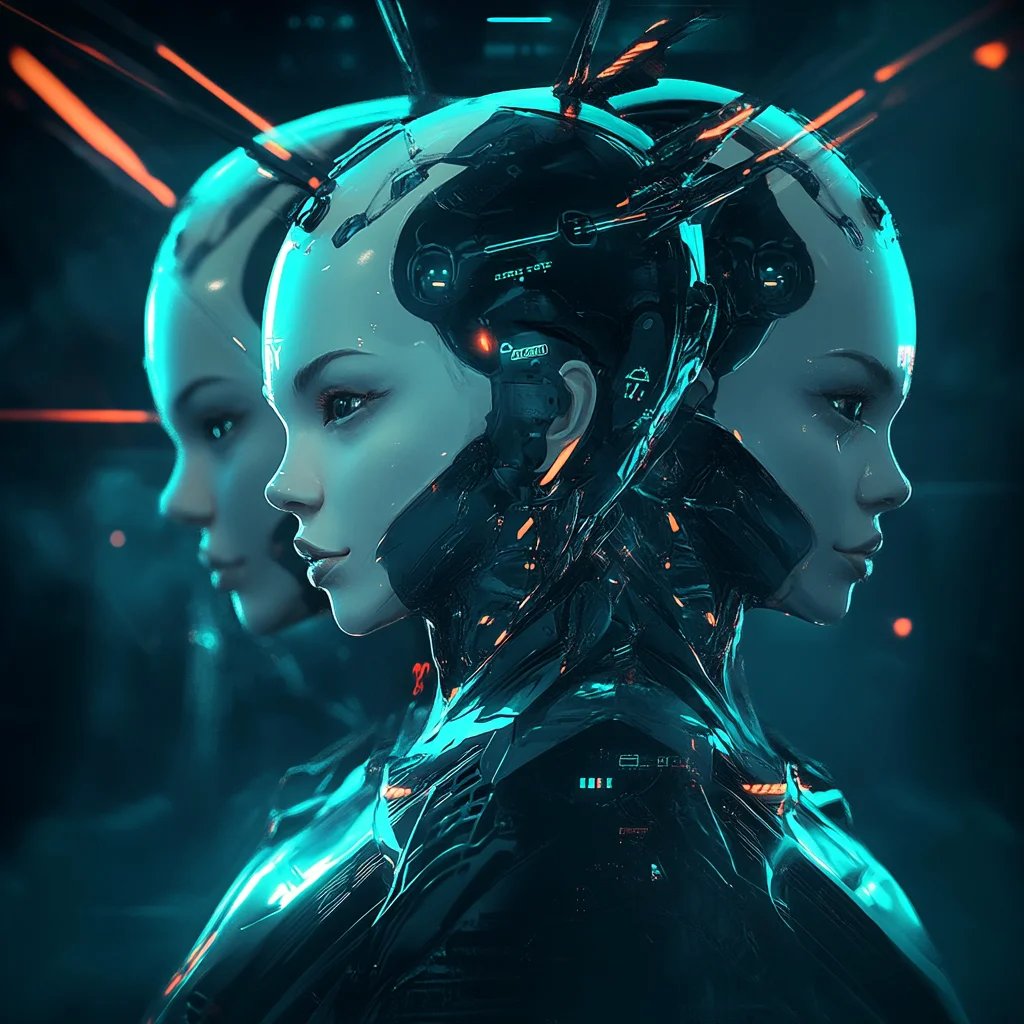
Many companies give AI agents human-like qualities to encourage interactions. These agents have names, roles, and even avatars that resemble humans, but are not. This design helps workers relate to them as coworkers rather than tools. For example, agents can help with routine tasks, freeing up human time for more complex work. However, some worry about over-humanizing these agents. Still, others see their neutrality as an advantage. AI agents don’t experience office politics or emotions, allowing them to work tirelessly. As they evolve, these digital colleagues may become essential parts of the modern workforce.
Discover More Technology Insights
Explore the future of technology with our detailed insights on Artificial Intelligence.
Discover archived knowledge and digital history on the Internet Archive.
AITechV1
