

Essential Insights
-
Economic Strain: Millions of Chinese workers have turned to the gig economy, particularly ride-hailing, due to job losses from the pandemic and a slowing economy, leading to increased competition among drivers.
-
Customer Complaints: Riders are demanding cleaner, more pleasant experiences, prompting companies like DiDi Chuxing to penalize drivers based on customer ratings related to car odors.
-
Subjective Standards: Some drivers argue that complaints about odors are often unfair or subjective, with the use of air fresheners potentially leading to mismatched preferences between drivers and passengers.
-
Oversupply and Underemployment: Despite a 20% increase in registered drivers for DiDi, order volume has declined by 8%, resulting in many drivers being underemployed, illustrating the tough economic environment for gig workers.
Addressing the Odor Dilemma
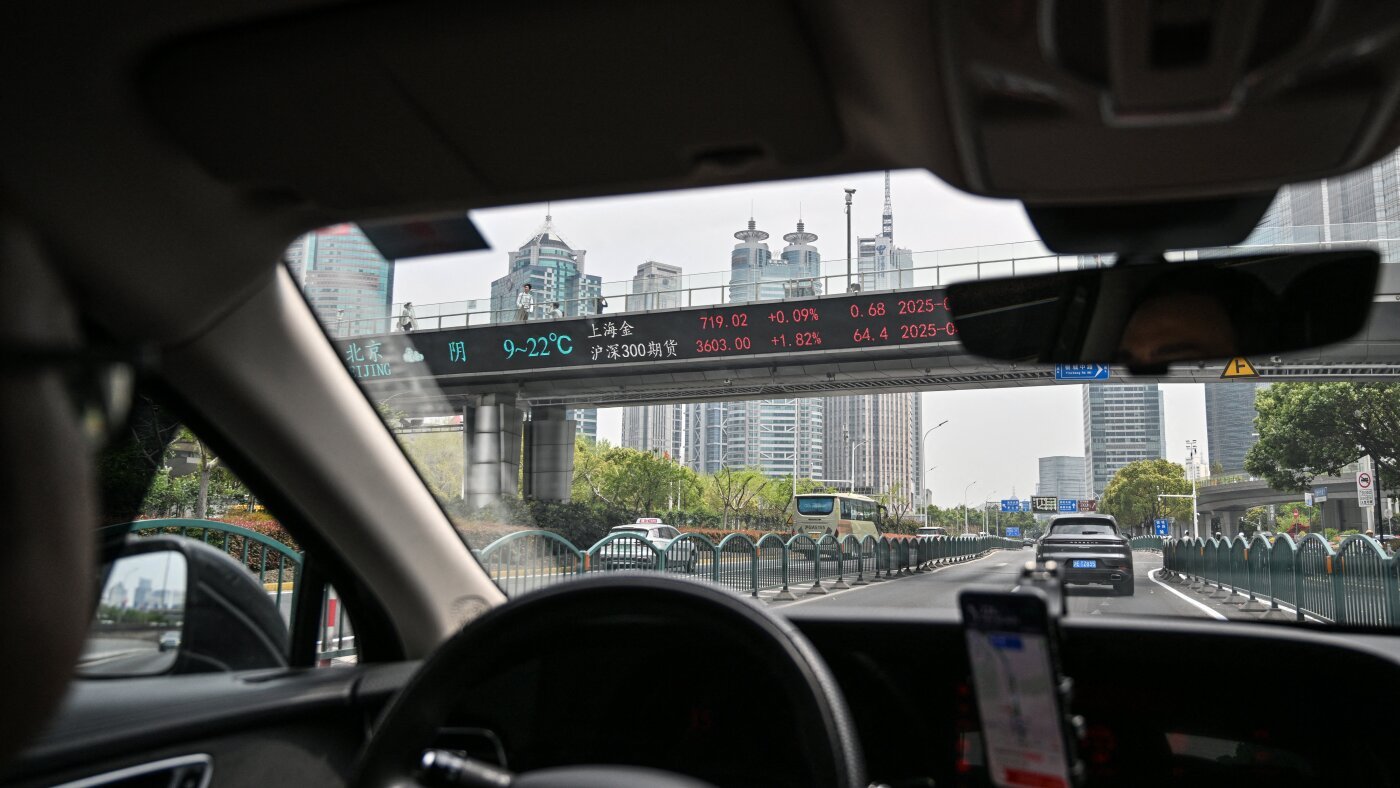
In Beijing’s bustling atmosphere, ride-hailing services provide a convenient travel option. Yet, passengers sometimes encounter a less pleasant aspect: unpleasant odors in vehicles. Reports indicate that many drivers, burdened by economic hardships, live in their cars, compromising cleanliness. Their living conditions often lead to the unwanted smells that passengers notice. While these drivers seek to make ends meet, they face criticism from customers, who expect a clean and pleasant riding experience.
In response, DiDi Chuxing, China’s largest ride-hailing company, established policies aimed at reducing negative feedback regarding odors. Drivers with excessive complaints may face temporary suspensions for retraining. However, some critics highlight the subjective nature of odor complaints, questioning whether these measures effectively address underlying issues. Experts suggest that simply focusing on cleanliness does not tackle the broader challenges drivers face, such as long hours and inadequate earnings.
Pushing for a Balanced Solution
As ride-hailing services become more prevalent, addressing cleanliness while ensuring driver welfare is crucial. Some drivers express frustration with customer expectations. They note that preferences for scents vary widely, complicating the process of maintaining a universally pleasant atmosphere. Moreover, the rise of the gig economy in China, fueled by job losses from the pandemic, has led many into this field, intensifying competition and pressure.
While companies may strive to enhance their public image through ratings and policies, they must also focus on sustainable solutions for drivers. Balancing passenger satisfaction with driver needs fosters a more equitable system. Striking this balance will help the ride-hailing industry evolve as a pivotal aspect of modern transit while supporting those who drive it. Ultimately, mutual understanding and empathy between riders and drivers can lead to improved experiences for everyone involved.
Stay Ahead with the Latest Tech Trends
Stay informed on the revolutionary breakthroughs in Quantum Computing research.
Discover archived knowledge and digital history on the Internet Archive.
TechV1
