

Top Highlights
TL;DR:
- Amazon replaced Fire OS with Vega OS on newer Fire TV devices to optimize performance and security, but at the cost of losing the ability to sideload Android apps.
- Vega OS allows for more streamlined hardware, potentially reducing costs, yet no significant price reductions or new features have emerged to justify the switch.
- The shift restricts app compatibility and flexibility for enthusiasts, limiting access to unofficial or custom apps, which was a key strength of Fire TV.
- Amazon plans to continue supporting both Vega OS and Fire OS, but consumers are questioning the practical benefits of adopting Vega OS over traditional Android-based Fire OS.
Vega OS: A New Approach to Performance and Security
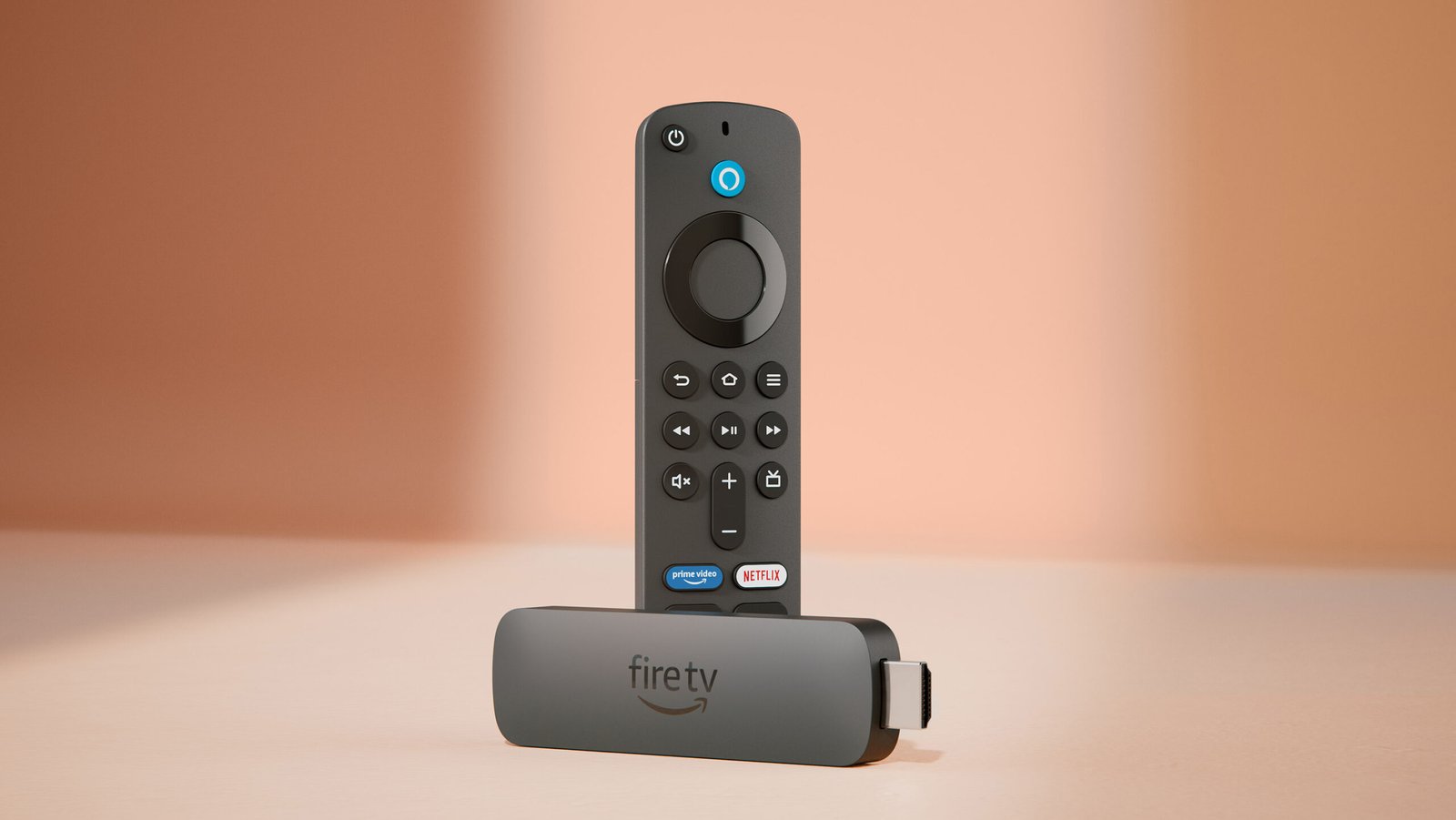
Amazon recently introduced Vega OS to its Fire TV lineup. The company claims this Linux-based system improves performance and enhances security. According to Amazon, Vega OS allows better optimization, even on lower-end devices with just 1GB of RAM. This means the new Fire TV sticks can support features like Alexa Plus without increasing costs. Amazon believes these improvements will make streaming smoother and more secure for users. However, the real test is whether consumers see these benefits in their everyday use. So far, Vega OS hasn’t brought about cheaper prices or eye-catching features, which leaves some users wondering if it’s worth the switch.
What Fire TV Users Might Be Losing
While Amazon emphasizes the advantages of Vega OS, it also comes with important trade-offs. Most notably, users can no longer sideload Android apps. For many Fire TV fans, sideloading has been a favorite feature. It allowed them to install apps not available in the official store or customize their devices. Now, with Vega OS, that flexibility disappears. Some users might find this frustrating because it limits what they can do with their Fire TV. Amazon argues that sideloaded apps can pose security risks and sometimes enable piracy, which the company wants to curb. Still, for power users, the loss of flexibility is a significant change. It raises the question: are the security benefits worth giving up customization and control?
Balancing Change and Consumer Expectations
Despite the shift, Amazon isn’t abandoning Android entirely. The company sees Vega OS as part of a “multi-OS” strategy. It continues to develop Fire OS based on Android 16, which keeps some Android capabilities alive. For casual users who mainly watch Netflix and YouTube, Vega OS might be enough. However, tech enthusiasts who love tinkering or use niche apps could feel left out. Currently, Vega OS hasn’t yet offered enough new features or lower prices to make many consumers excited. Although Amazon gains more control over its platform, many Fire TV users wonder what they truly gain from Vega OS. Without improvements that clearly benefit consumers, some may see it as a step back rather than a step forward.
Stay Ahead with the Latest Tech Trends
Dive deeper into the world of Cryptocurrency and its impact on global finance.
Access comprehensive resources on technology by visiting Wikipedia.
CellphonesV1
